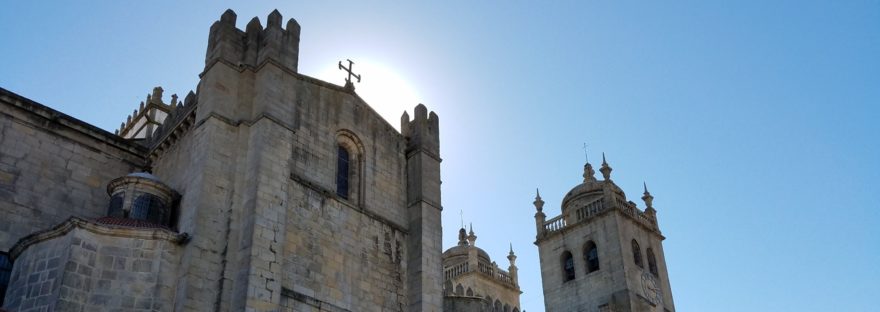
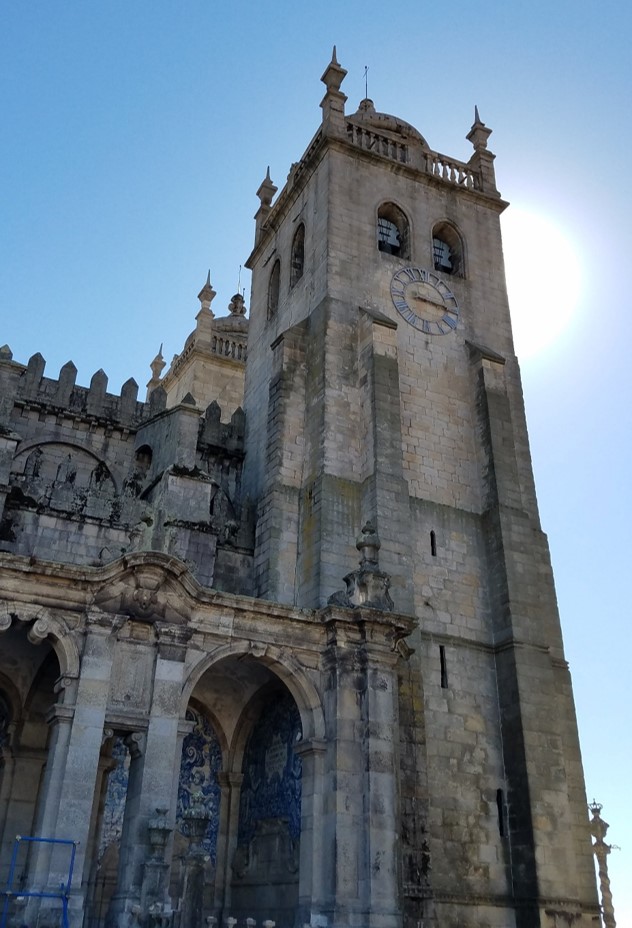
 Founded during the 12th century, the “Sé do Porto” (the Cathedral) in Portugal, is located on the highest point of the city, a perfect place to contemplate the Douro River, the Vila Nova de Gaia and the city of Porto. This cathedral is known by several names, all in honor of the Marian cult; Church of “Santa Maria do Porto”, “Nossa Senhora do Porto da Eterna Salvação” and “Nossa Senhora da Vandoma”.
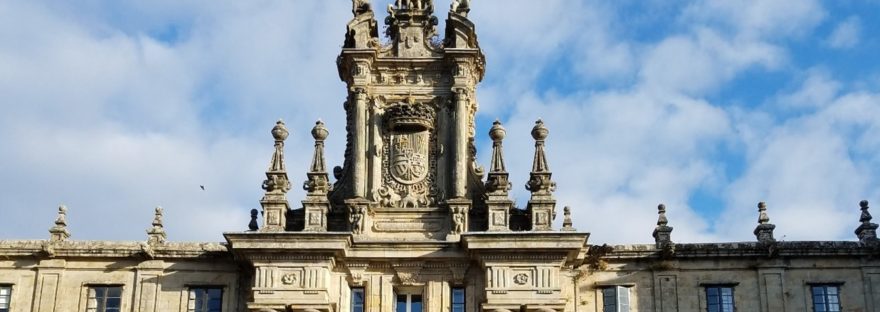
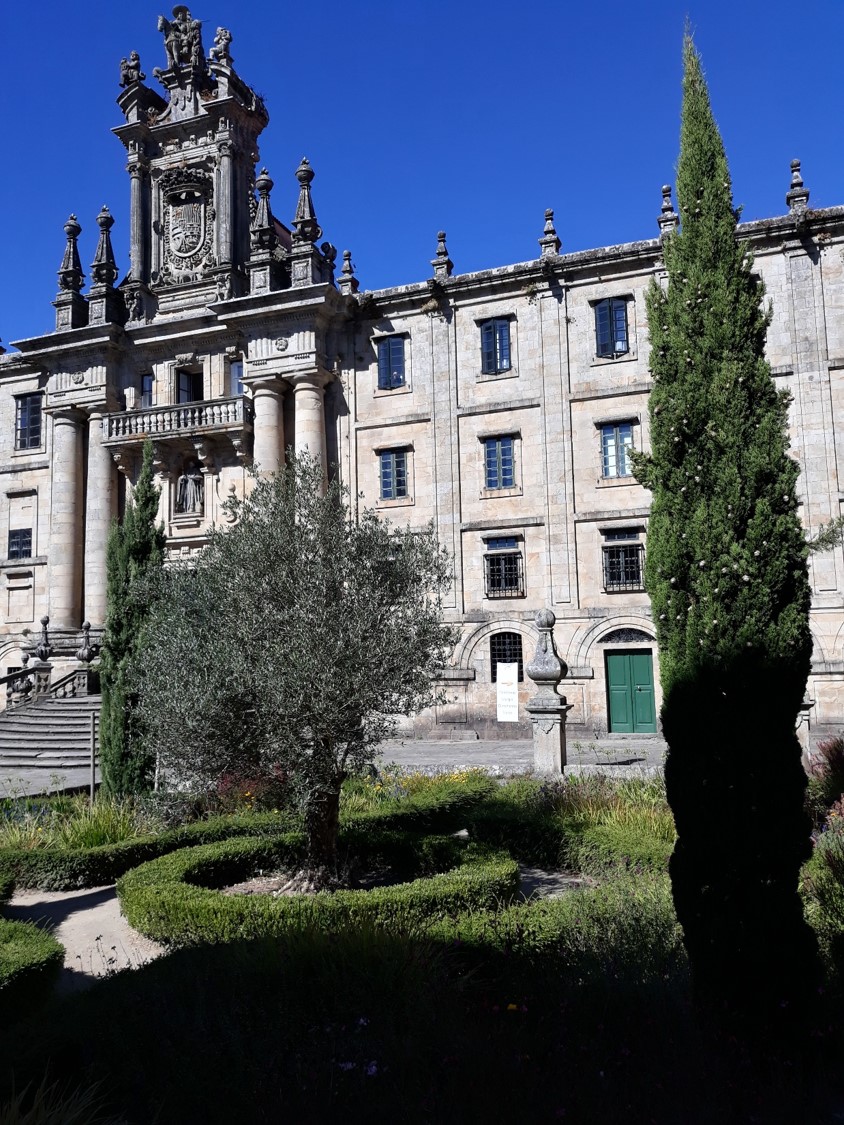 The city of Santiago de Compostela in Galicia, Spain, is full of religious buildings of great importance, primarily for being one of the most important pilgrimage centers for the Catholic faith. The Monastery of San Martin Pinario is the largest monastery in all of Galicia. However, its origin is much more humble.
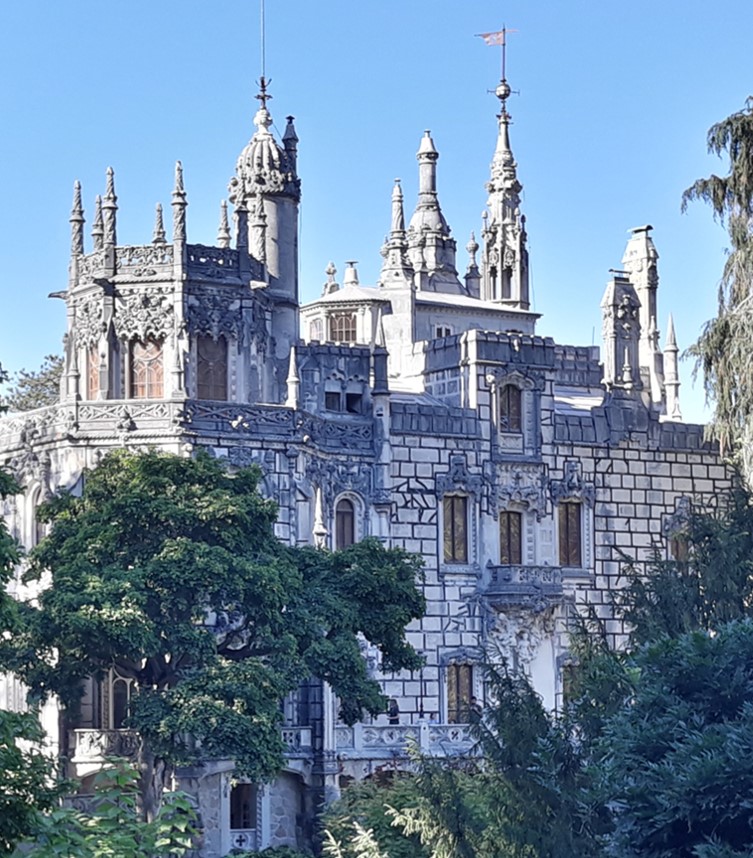 The Brazilian António Augusto Carvalho Monteiro, known as “Monteiro dos milhões” (Monteiro, the millionaire) is responsible and was the conceptual creator of what is now called the “Quinta de Regaleira”, in Sintra, Portugal, a name that, when loosely translated means “the estate of the good life”.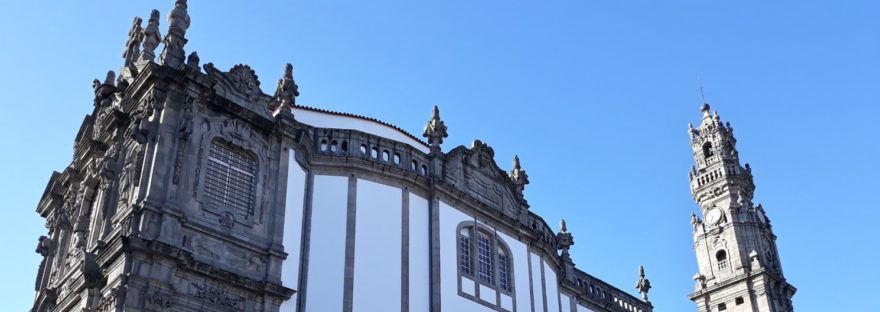
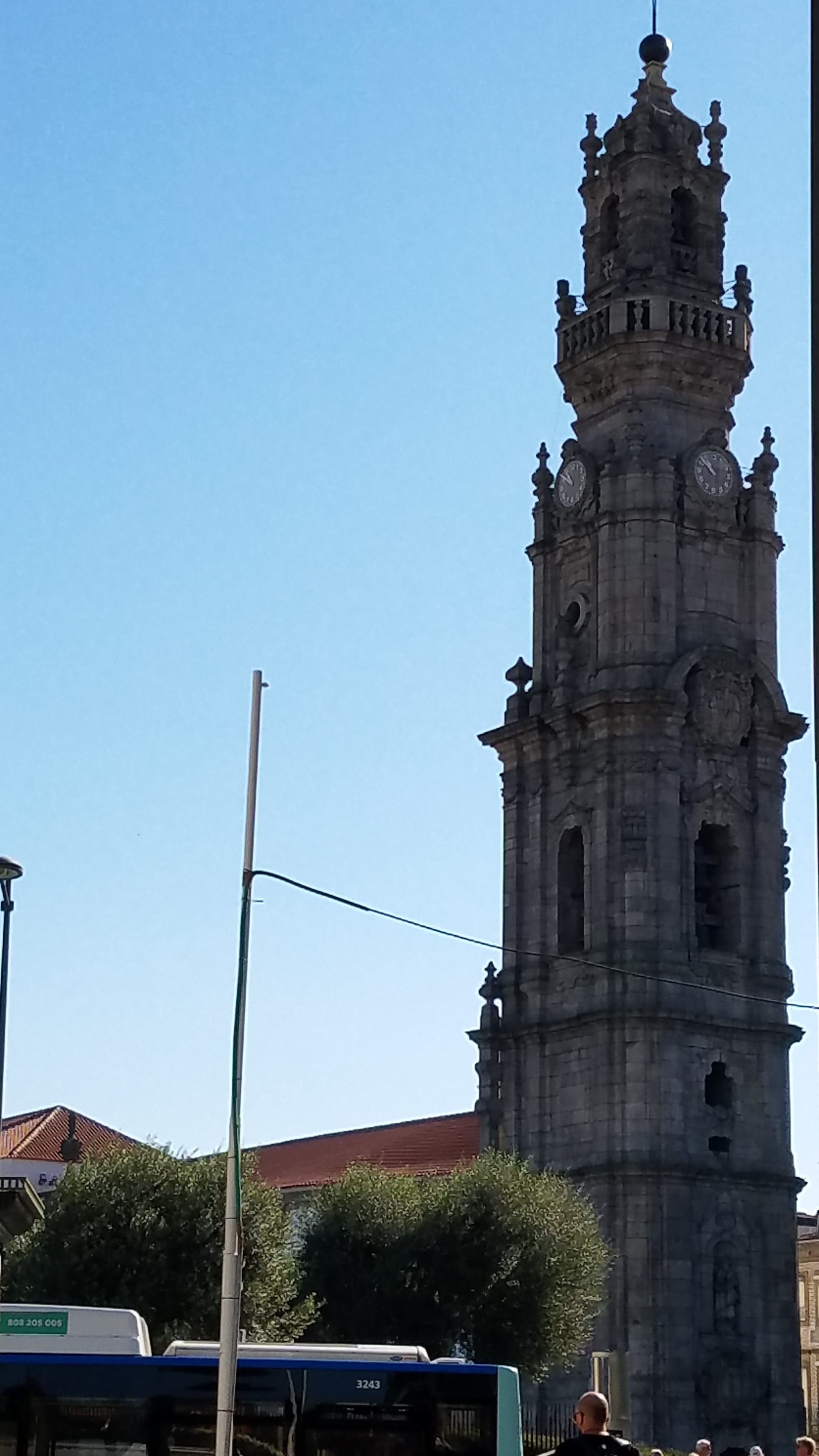 The Tower of “São Pedro dos Cleros”, known as the “Torre dos Cleros”, is located above the old town of Porto. This tower comes to complete the “Igreja do São Pedro dos Cleros”, both symbols of the northern city on the banks of the Douro River.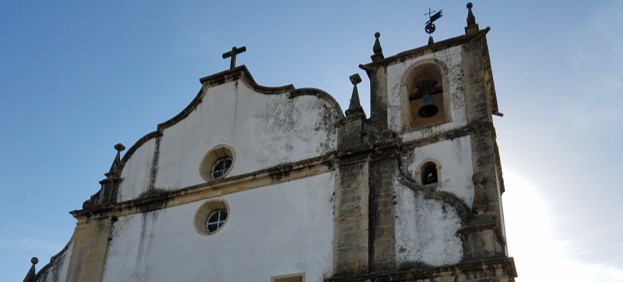
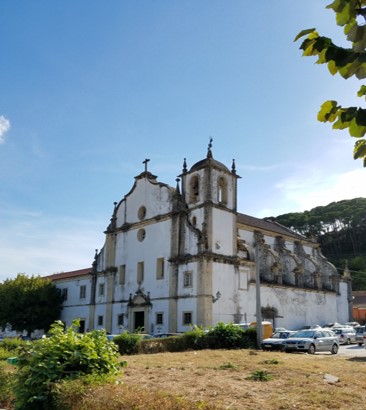 Upon arriving to Tomar, on Gen. Bernardo Faria Avenue and a few steps from the train and bus terminal, you will find the “Igreja y Convento de São Francisco” or the Church and Convent of Saint Francis.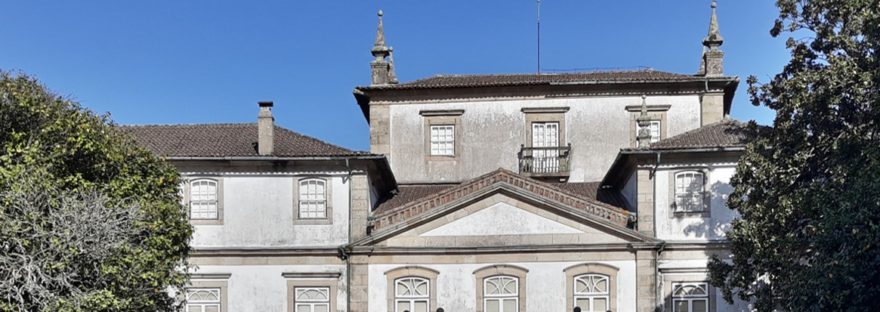
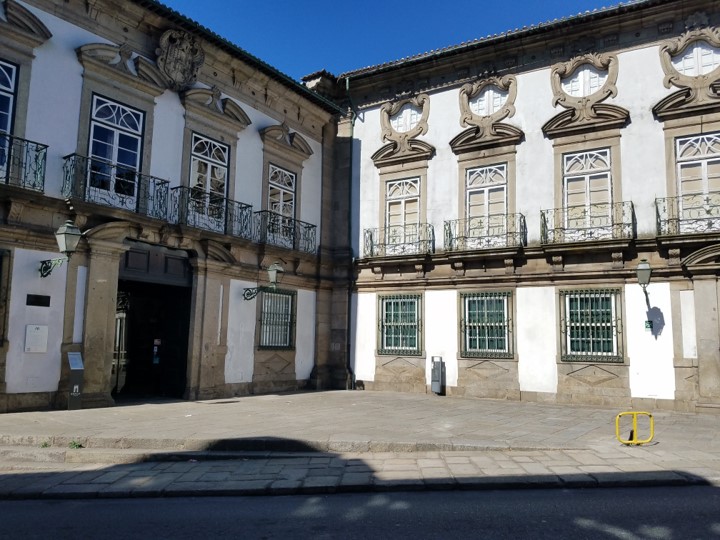 Just outside the city walls of Braga is the home of the Portuguese nobility, “Palacio dos Biscainhos”. The construction of this palace is given thanks to the interest of Dr. Constantino Ribeiro do Lago, Templar of the Order of Christ. The name of the palace comes from the workers who built it that were from Bizkaia, which we know today as “Viscaya” (Biscay). Its construction was completed in the seventeenth century.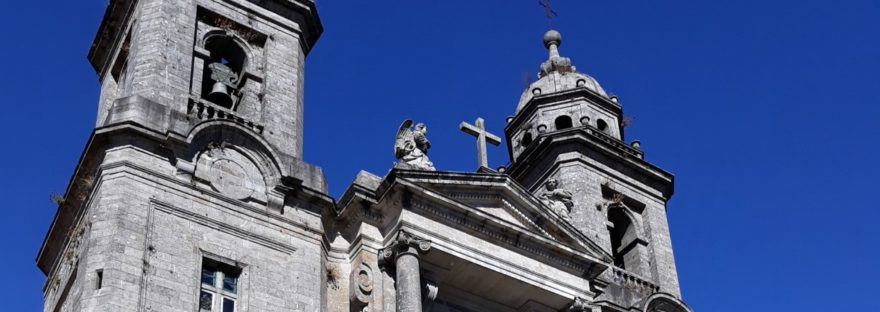
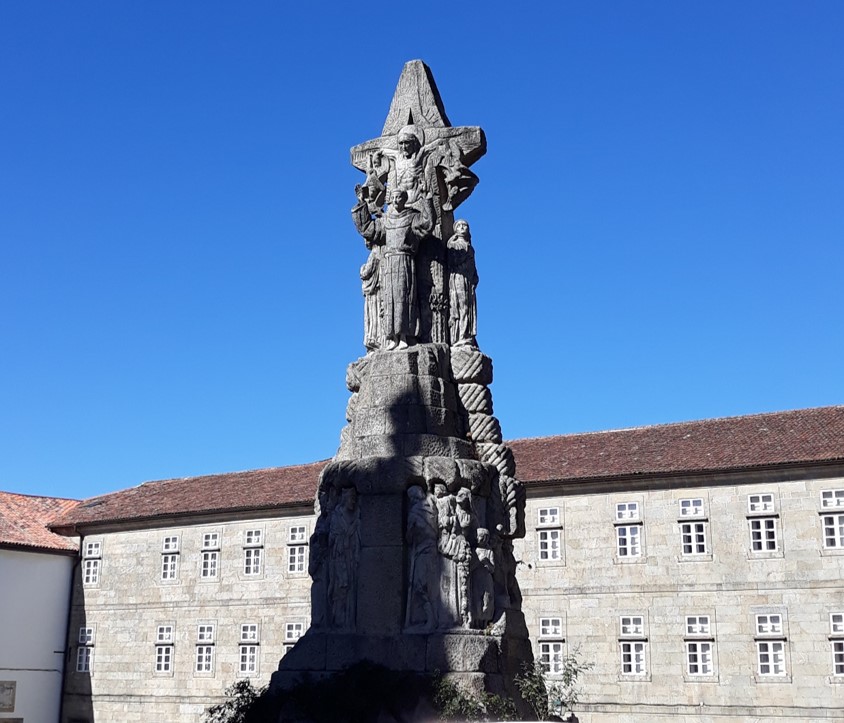 On the outskirts of the old walled city of Santiago de Compostela in Galicia, Spain, specifically on a plot of land known as “Val de Deus”, then owned by the Monastery of San Martiño Pinario, Saint Francis of Assisi visualized the construction of a convent and church that later would bear his name.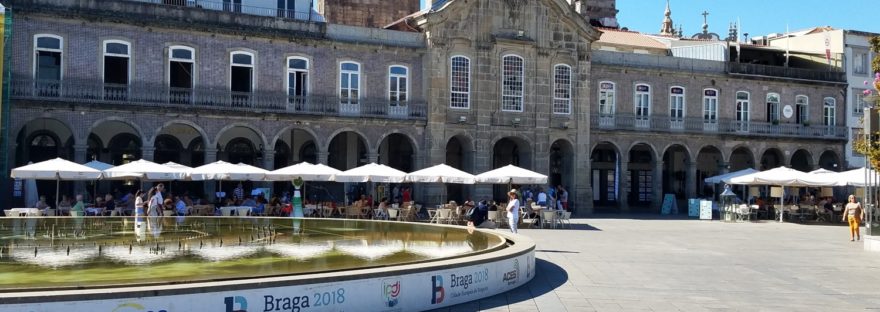
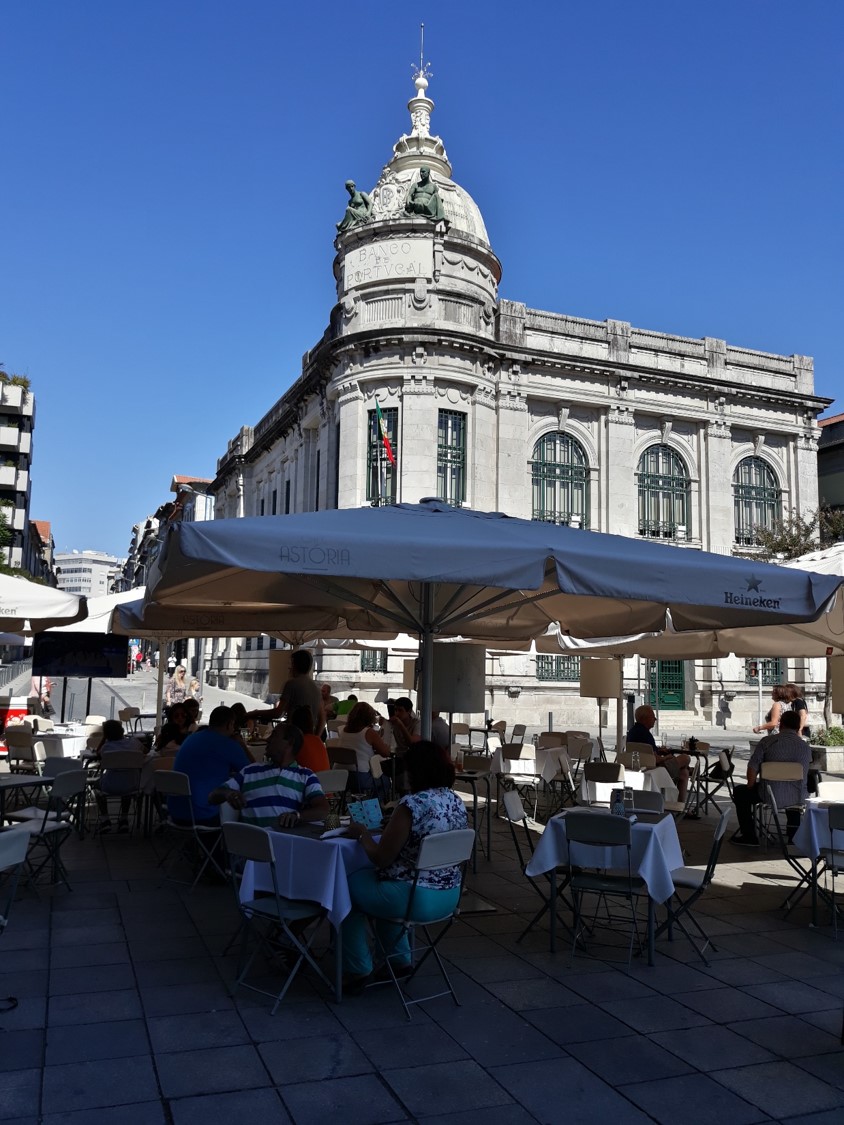 In many of the cities of Portugal one can find plazas and squares having the name of “Praça da Republic”, we imagine that it is to mark the beginning of the Republic of Portugal in 1910.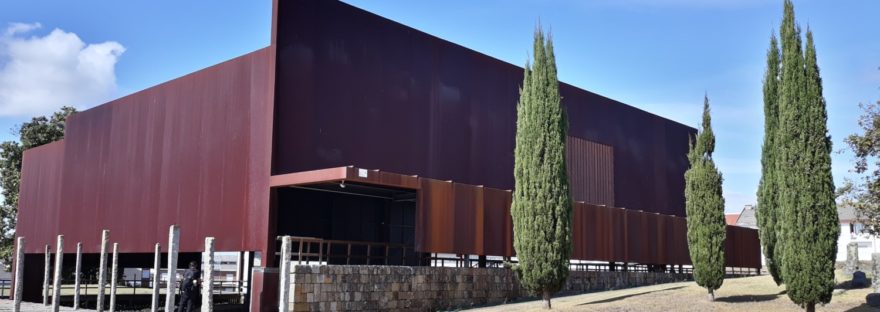
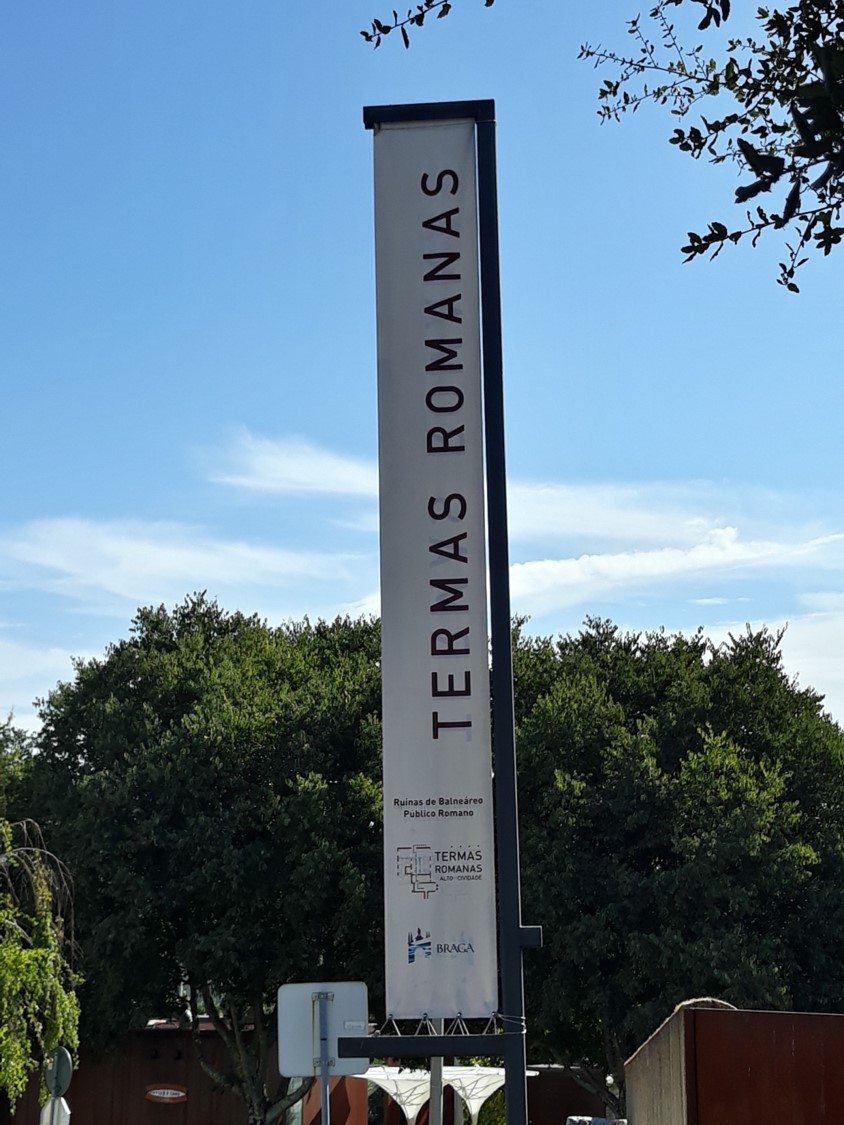 The remains of the ancient Roman city of Bracara Augusta are still present in various places in the city of Braga in Portugal. In 1977, a series of archaeological excavations were carried out, revealing the Roman Baths of Maximinos. These are known by various names: Roman Baths of Alto da Cividade, Roman Baths of Colina dos Maximinos or simply the Roman Baths. They are located on the slope of the hill and on the edge of the current “Rua Doctor Rocha Peixoto”. These remains are outside what was the walled city of Braga, which shows a greater territorial expansion of the Old Bracara Augusta on Medieval Braga.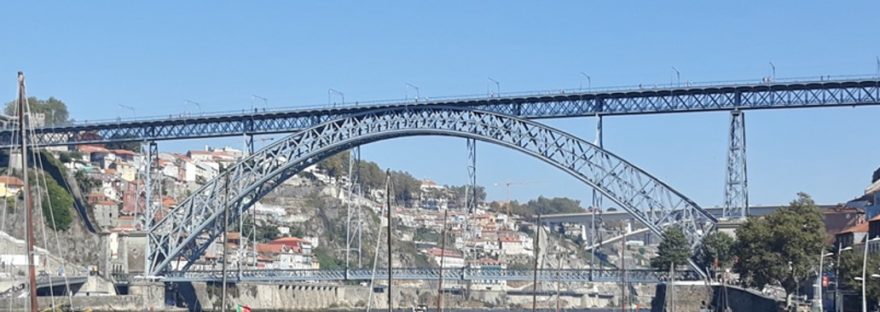
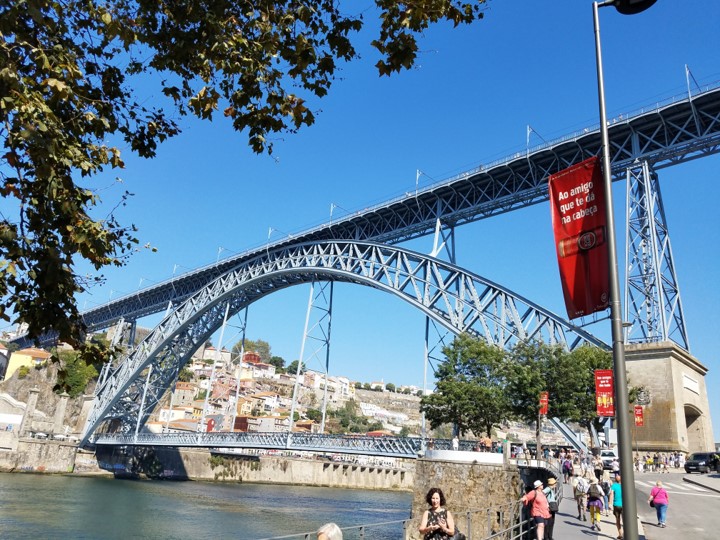 The constant growth in the area of Porto and “Vila Nova de Gaia”, made it necessary to have a better connectivity between the two banks of the Douro River.