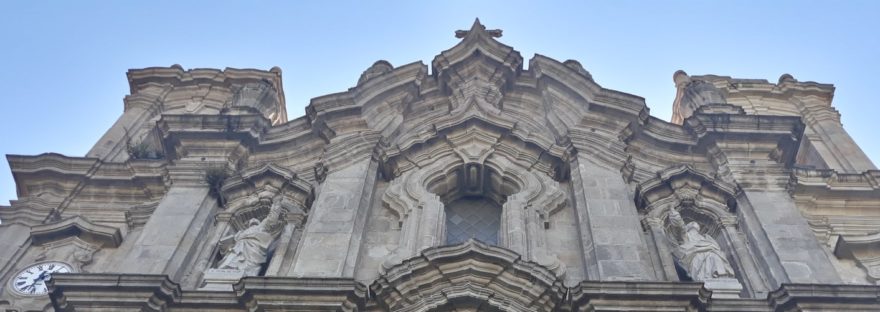
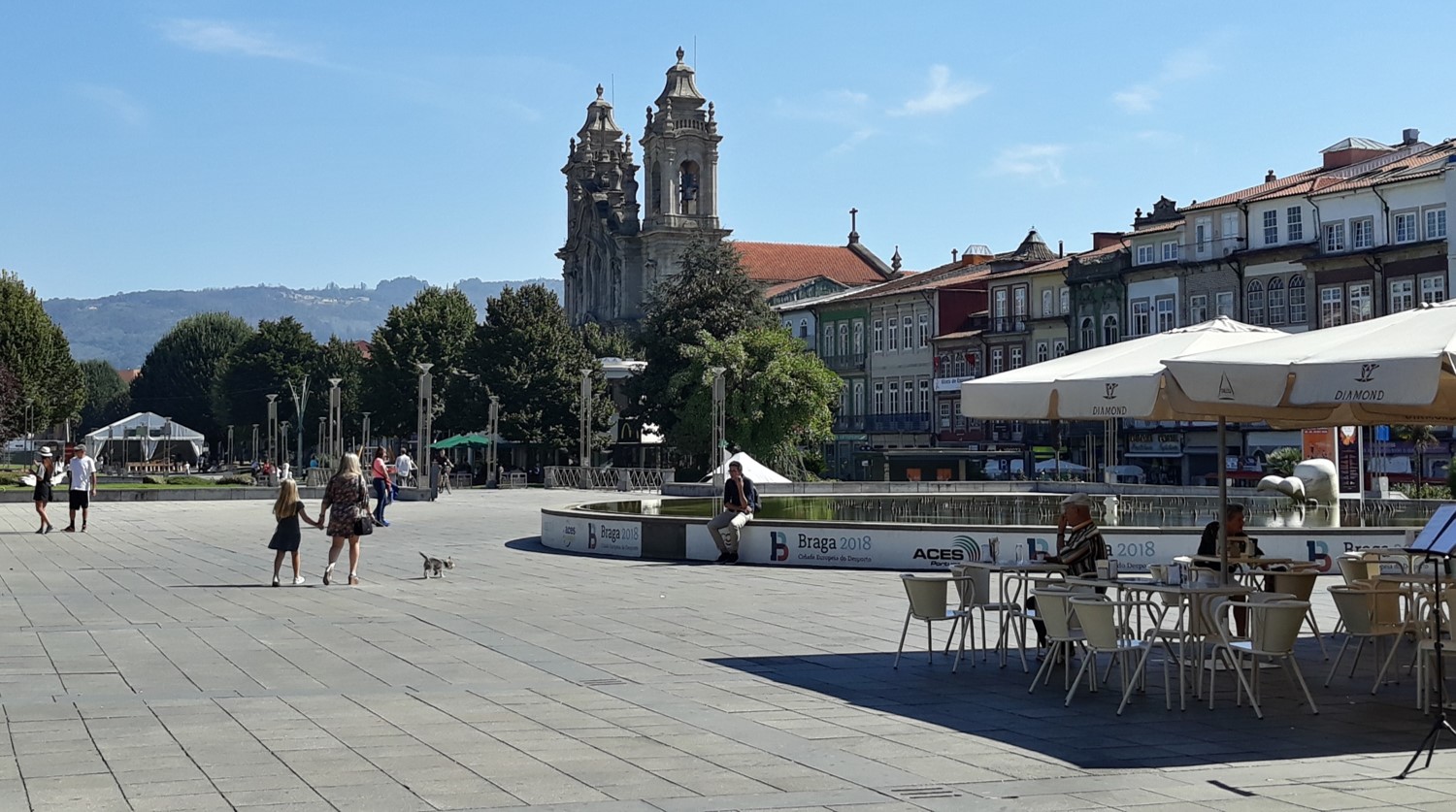
 Strolling through “Praça da Republica” and “Parque / Jardim da Avenida Central” in Braga, Portugal, we find the complex known as the “Convento dos Congregados” and the “Igreja dos Congregados”.
Continue reading “Convent “dos Congregados do São Filipe de Néri” – Braga, Portugal”
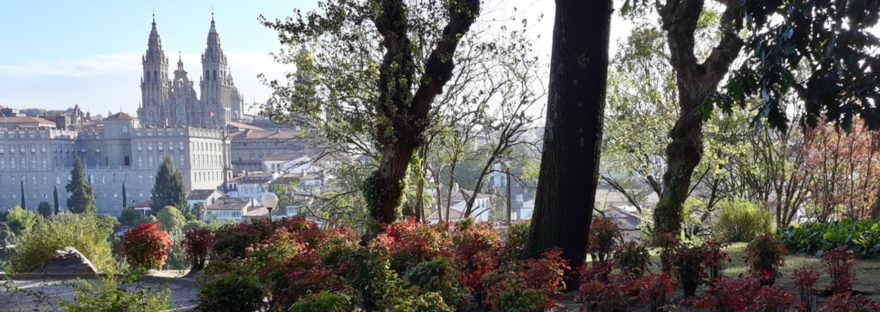
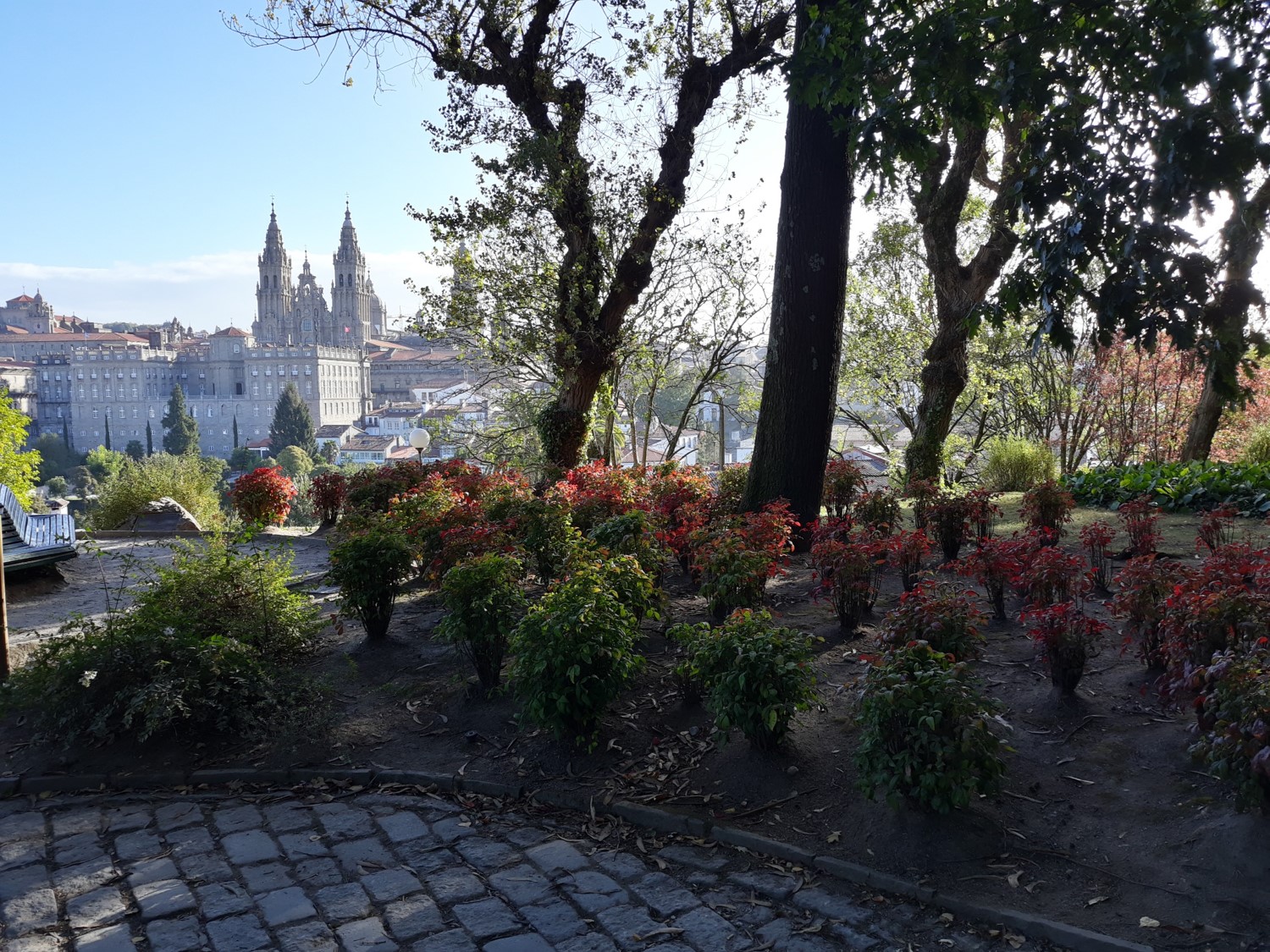 Just outside the old walled city of Santiago de Compostela, we find “La Alameda de Santiago” or “Parque de la Alameda”. By definition, an “alameda” is an area or walkway with poplars, a tree that belongs to the genus Populus. Over time the term has been extended to include any area that contains trees. Therefore, the park of “La Alameda de Santiago” is full of a great variety of trees.
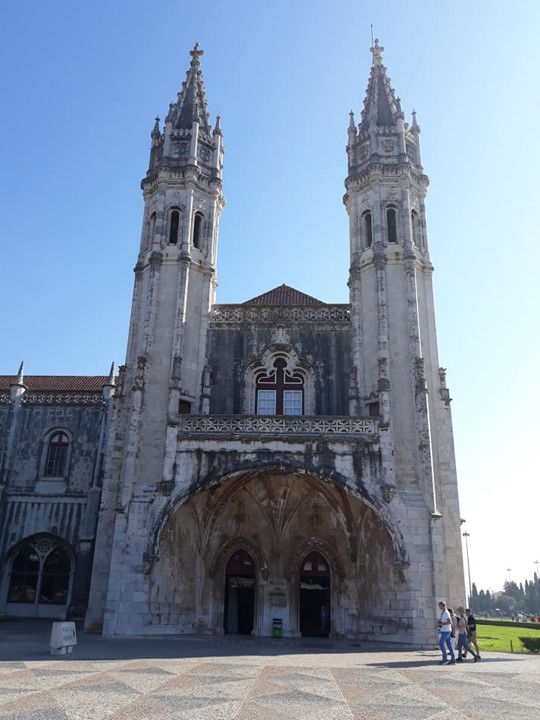 The Marine Museum (Museu da Marinha) was established by King Don Luís in 1863, and with the main objectives the dissemination of naval military affairs, and above all, disseminate the Portuguese maritime past, from the time of the Discoveries until the 19th century.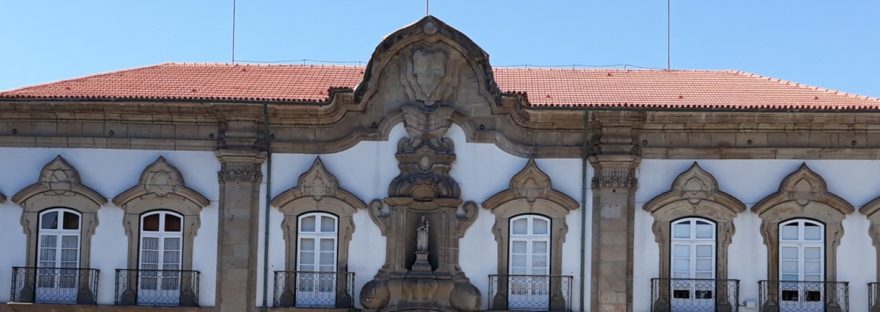
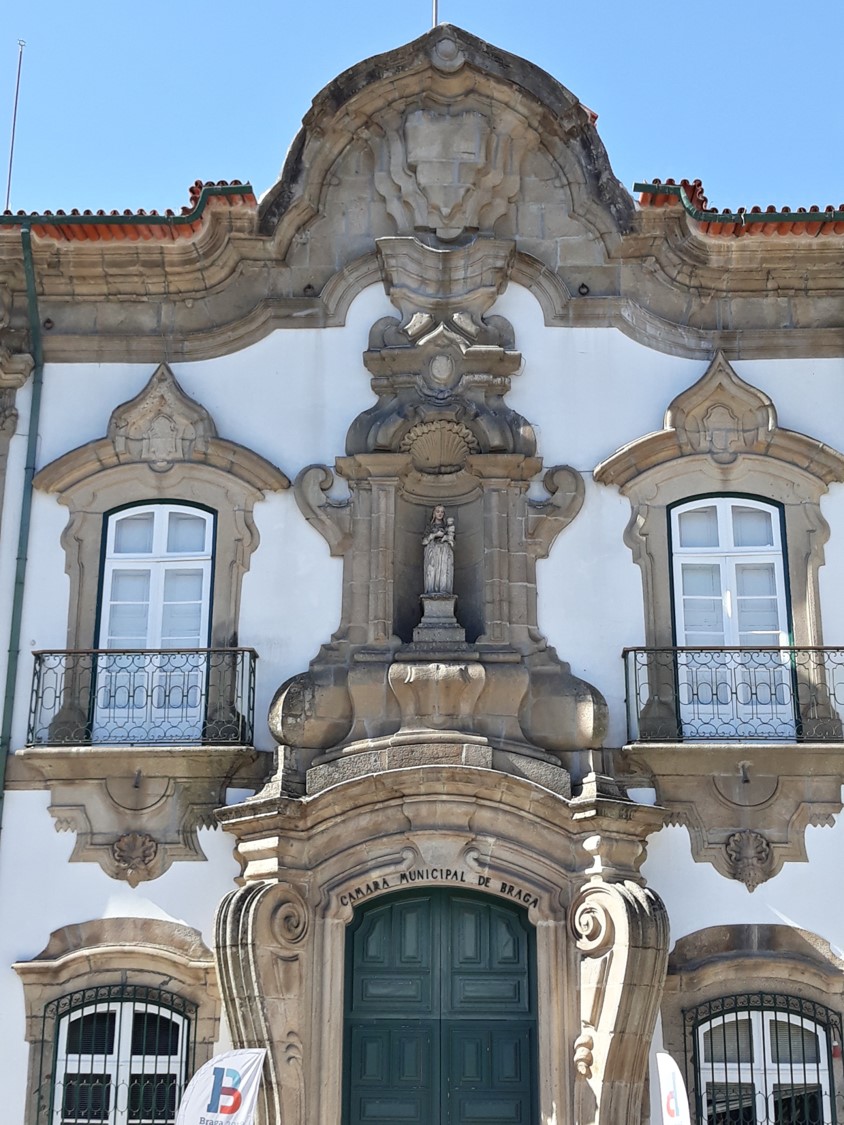 As we strolled through Braga (Portugal), we arrive at the Jardim da Praça do Municipio and the “Paços do Concelho”, the Municipal Chamber or Town Hall.
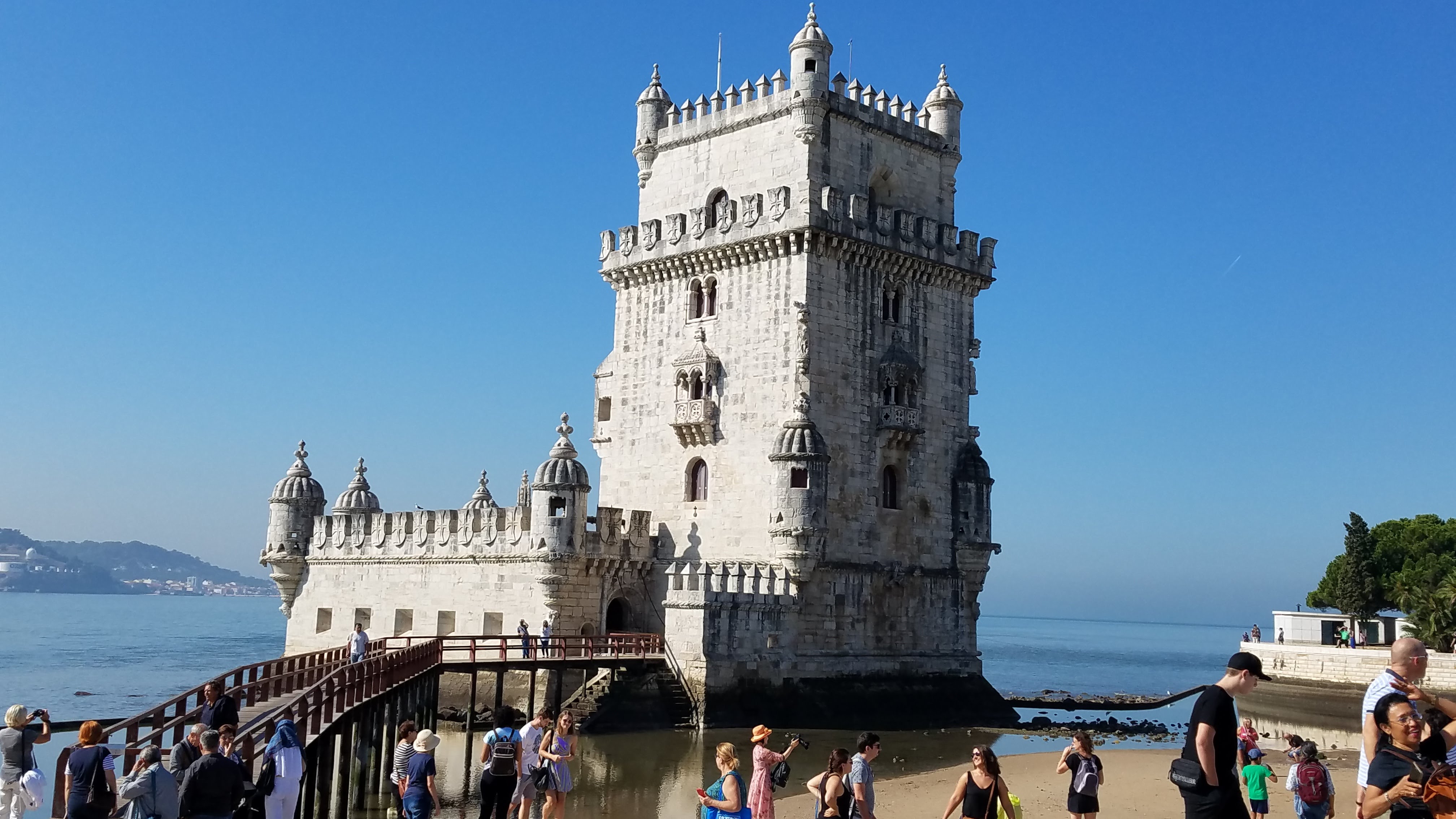 The tower of Belém or tower of Bethlehem, as it appears in some writings, constitutes one of the most representative examples of the “Manueline” architecture. It is located at the mouth of the Tagus River, in the ward of “Santa Maria de Belém”, in the southwest section of Lisbon, Portugal. Together with the “Jerónimos” Monastery, the “Torre de Belém” was declared a World Heritage Site by Unesco in 1983.
  Here we present some works of the great Spanish painter and sculptor Pablo Ruiz Picasso exhibited in some museums that we visited in New York. Specifically, in the Museum of Modern Art (MoMA), in the Solomon R. Guggenheim Museum and in the Metropolitan Museum of Art (The MET).
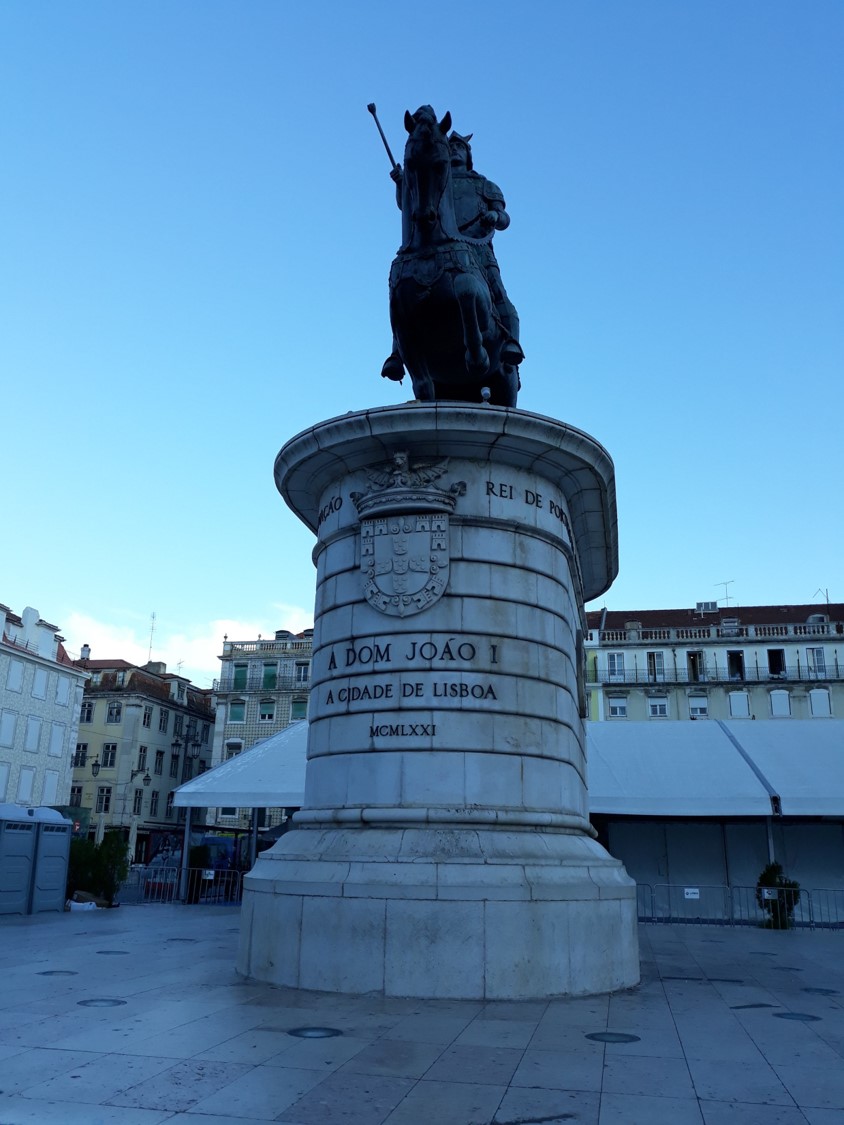 During our stay in Lisbon, Portugal, Praça Figueira or Plaza de la Higuera was one of the places we passed daily, as we traveled by bus to the historic city center. Therefore, it was necessary to make a short visit of this square.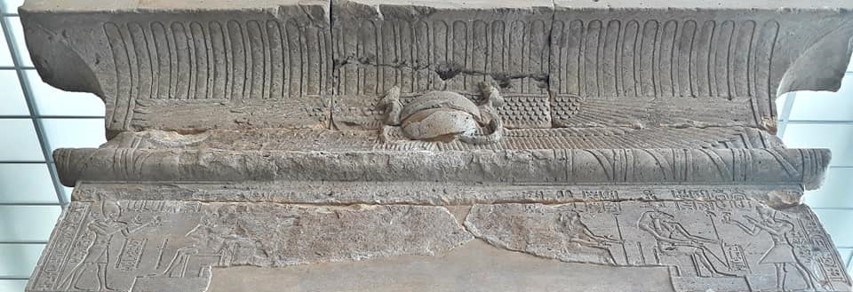
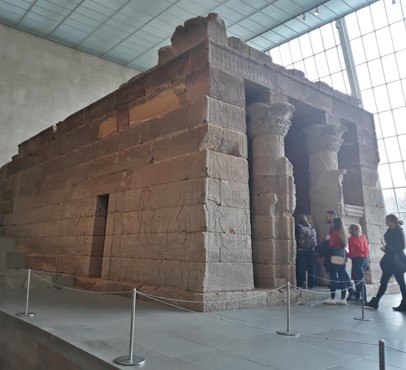 The Temple of Dendur that we can contemplate in the Metropolitan Museum of Art (MET), is considered the oldest building in the city of New York. Yes, from New York! How does this Egyptian temple reach the other side of the world?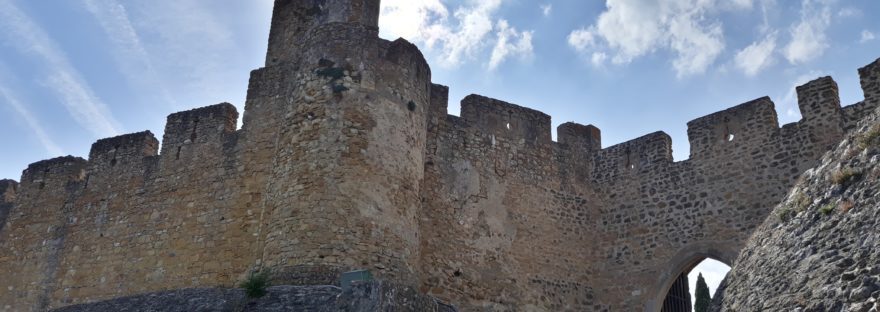
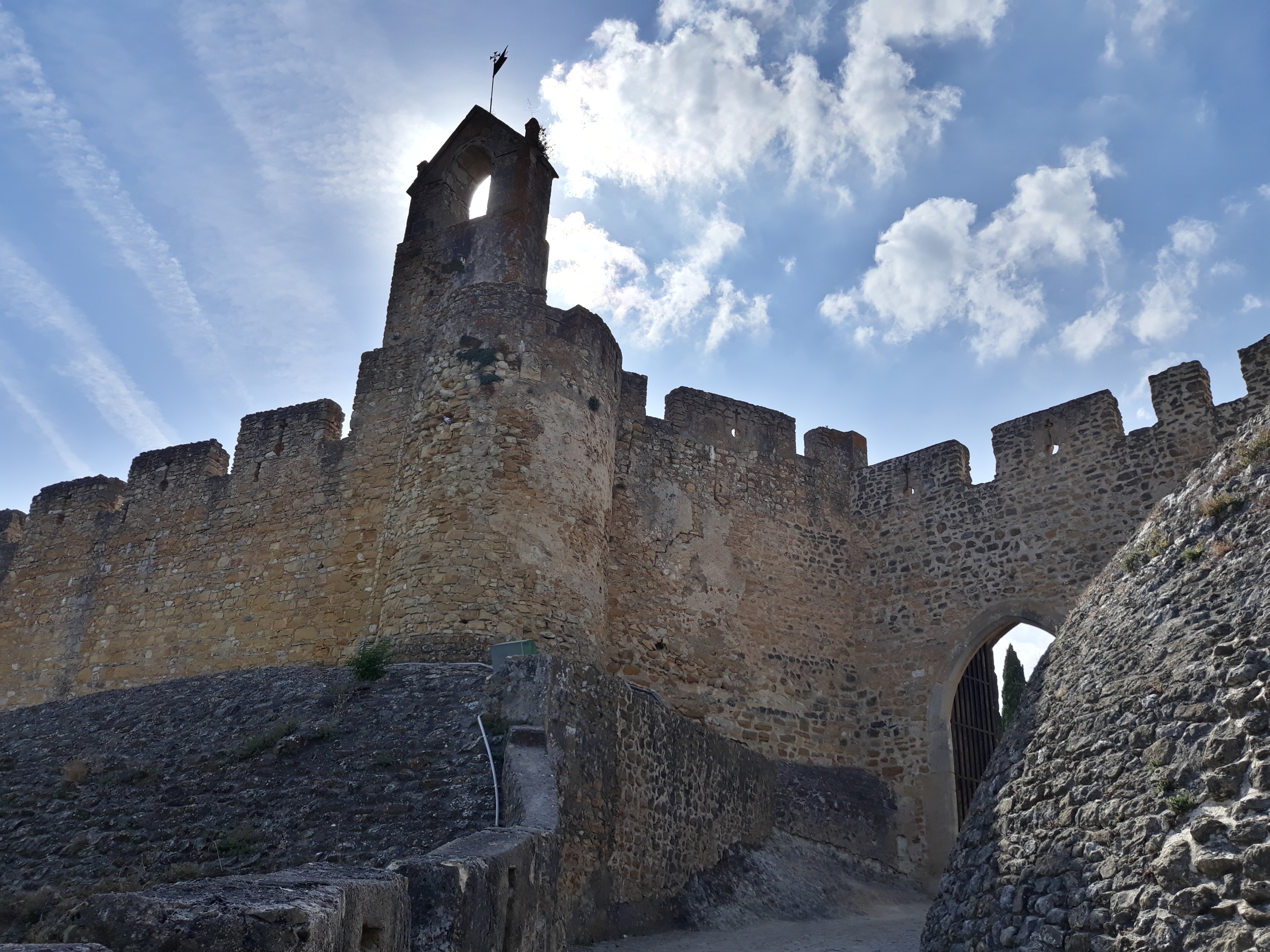 The Castle of Tomar located in the small Portuguese city of Tomar in the Santarem region, was part of the military defensive structures known as the Tagus Line, along with other existing castles during the Reconquest of the Iberian Peninsula of the Moors . Known to be a Castle of the Order of the Temple, it was built under the orders of the Grand Master of the Order in 1160, Gauldim Pais on a hilltop in the “São João Baptista” Ward and very close to the “Nabão” river.