We finally got to see what had us very curious, the famous Arab baths and a little of their history. Since the late XIX century, the Nogal Baths are known simply as the “Bañuelo”, a diminutive used since it is smaller in size than other royal baths in the Alhambra.
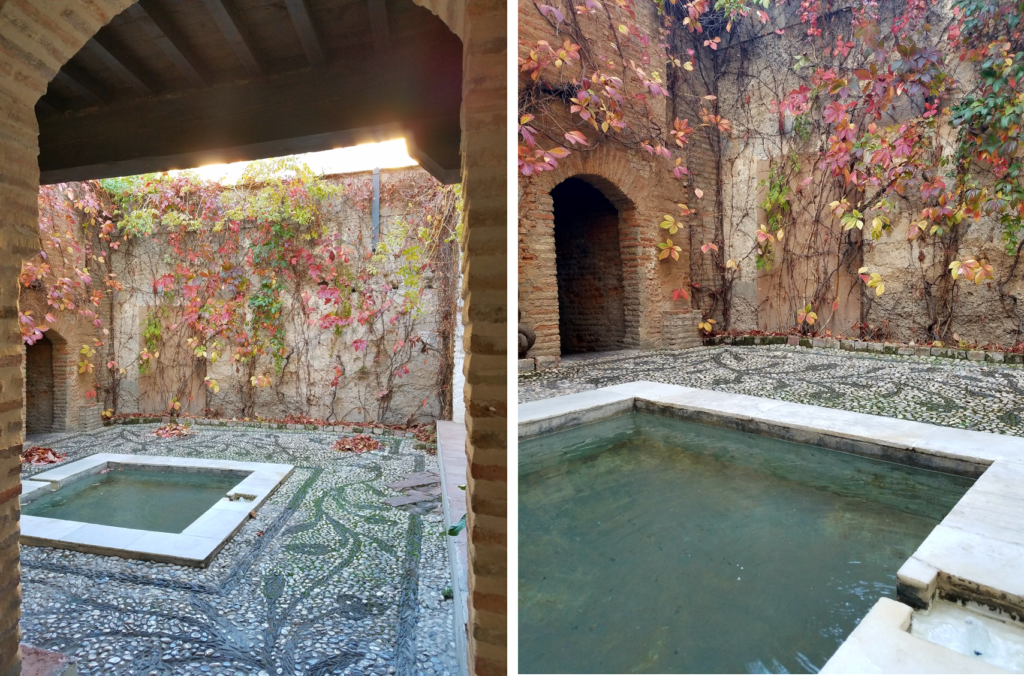
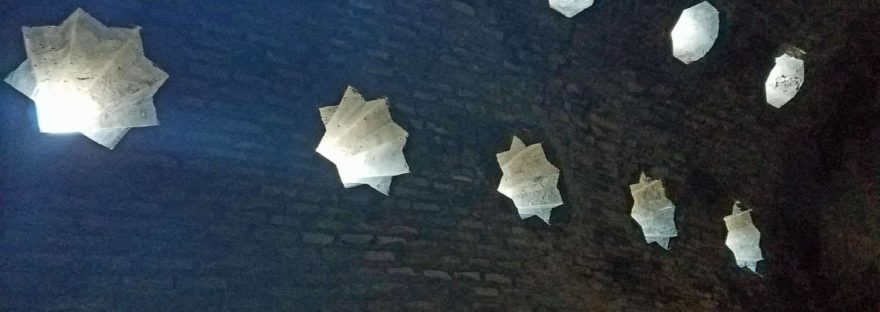
The “Bañuelo” of Granada is one of the oldest, most important and most completely conserved in Spain. It is also considered as one of the oldest Moorish works in Granada. It is rectangular in shape with concrete walls with the different halls being covered by brick vaults with skylights in octagonal and star shape, thus providing lighting. We confirmed that these were in fact skylights.
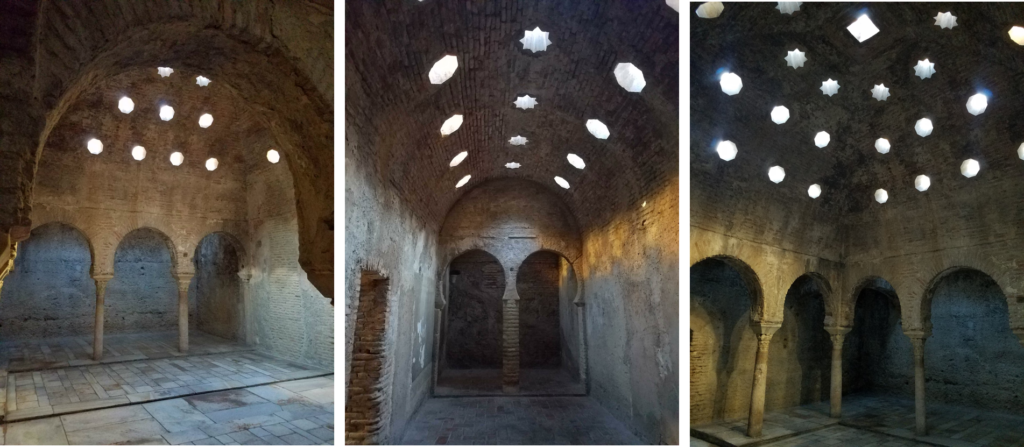
During the reign of the Catholic Kings, the Arab or Moorish baths were considered to be brothels, therefore it is amazing that this “Bañuelo” was conserved so well.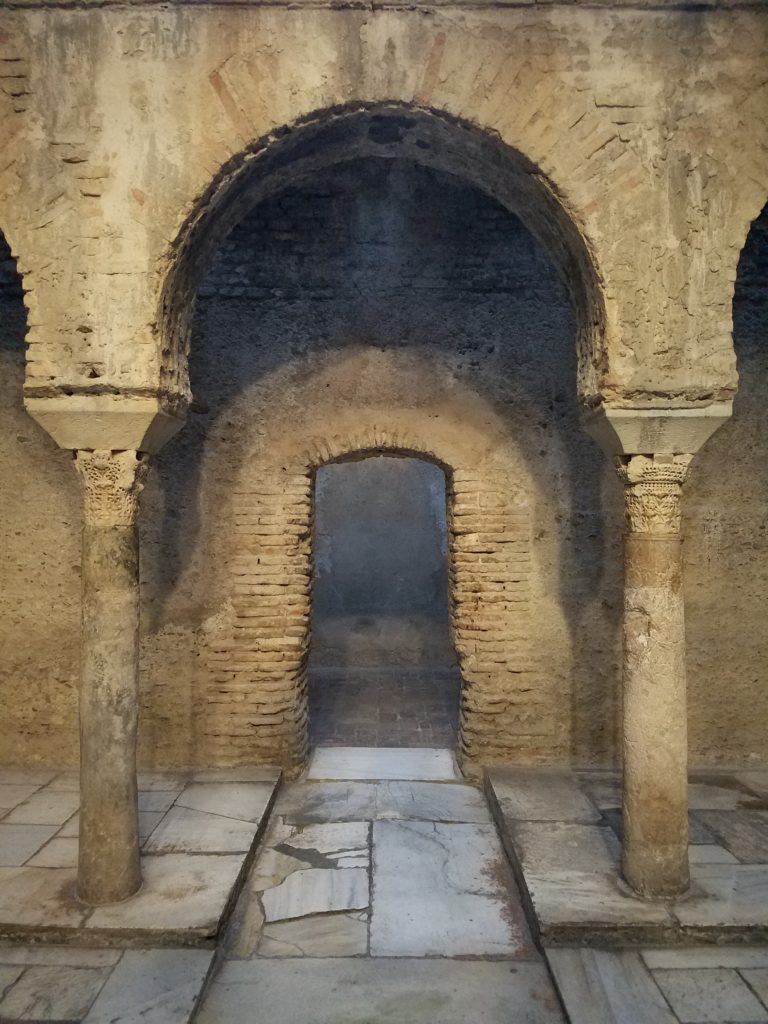
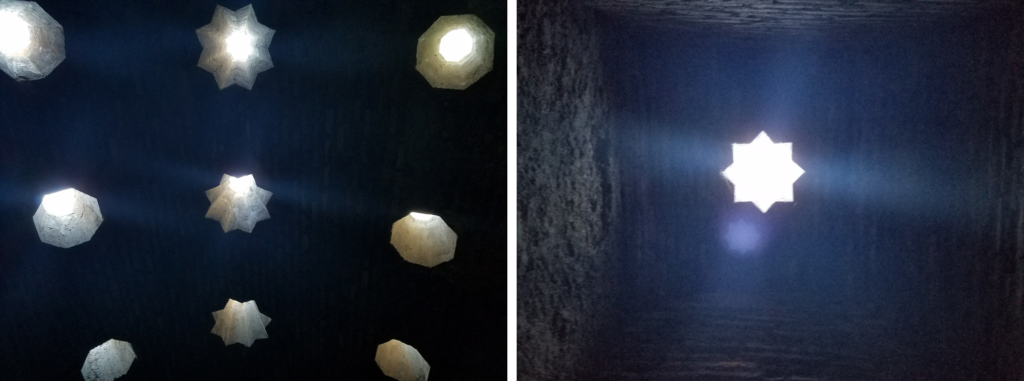
Scholars and experts have been unable to agree on when this “Bañuelo” was actually built. Yet, everything seems to point towards the end of the Zirid Dyanasty, somewhere between the XI and XII centuries. 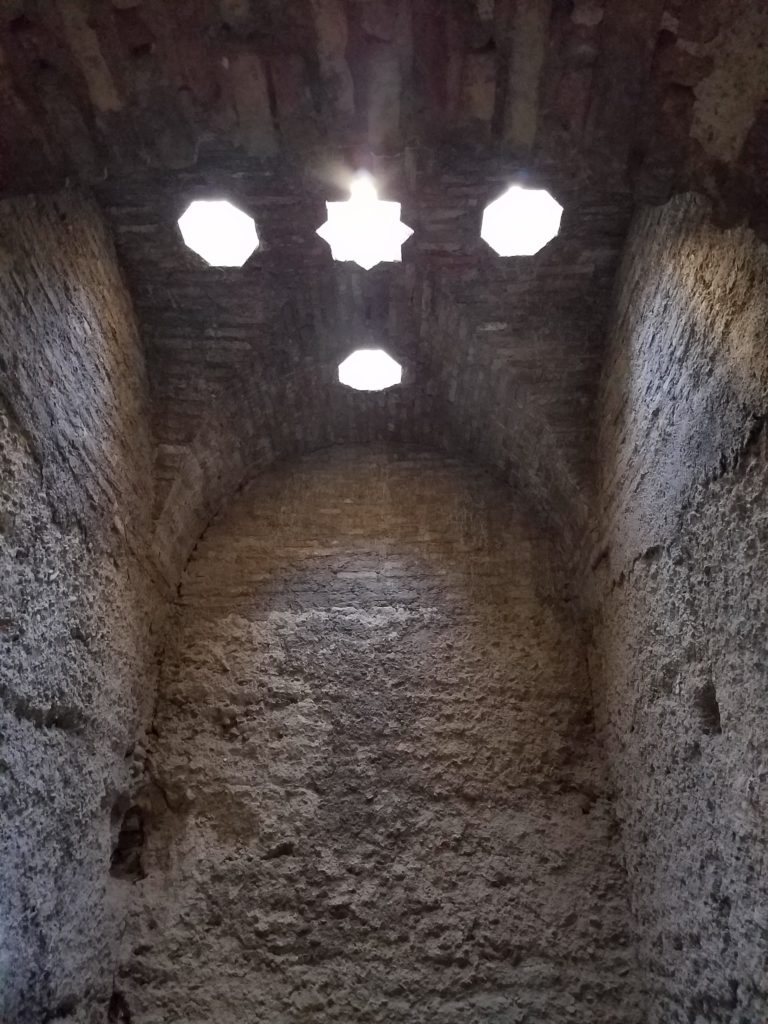 It has a privileged location on a important street in a highly populated area and near the Bab al-Bunud gateway, known as the Gate of Banners.
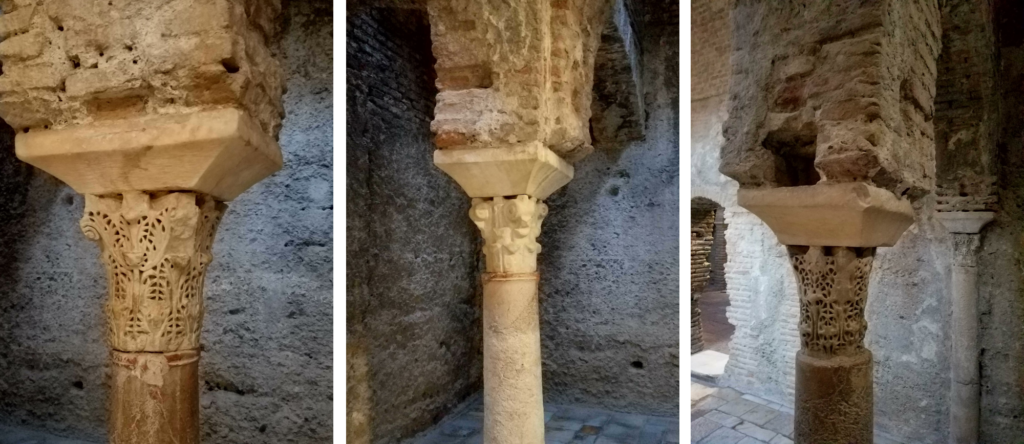
The “Bañuelo” of Granada was declared a National Monument in 1918 and the architect Torres Balbás was in charge of its restoration.
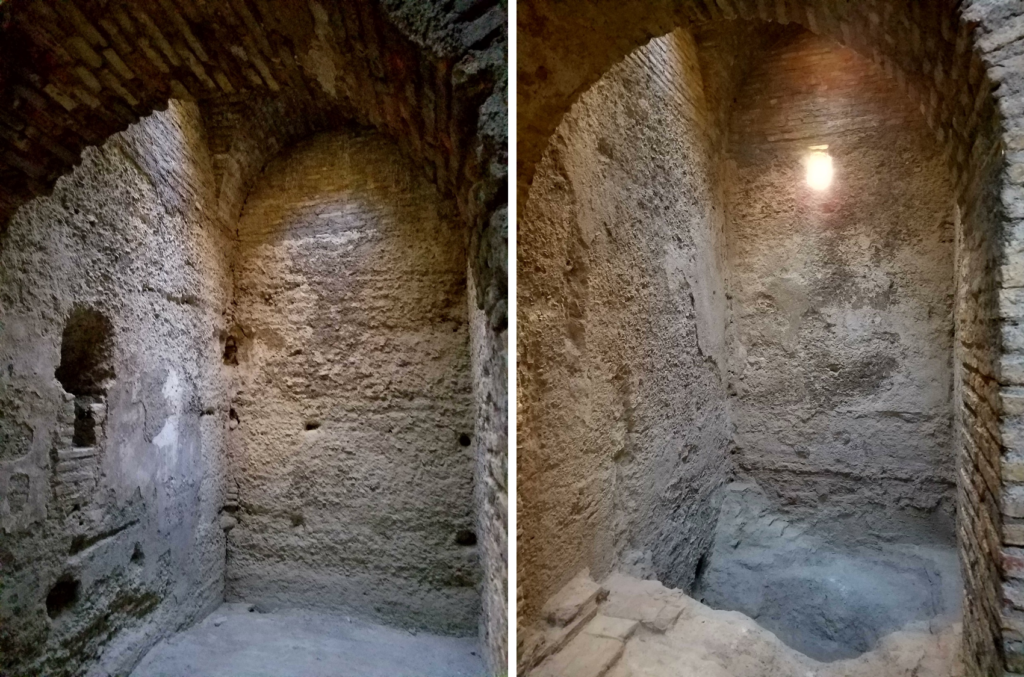
When in Granada, visiting the “Bañuelo” should be on your bucketlist. A great experience.
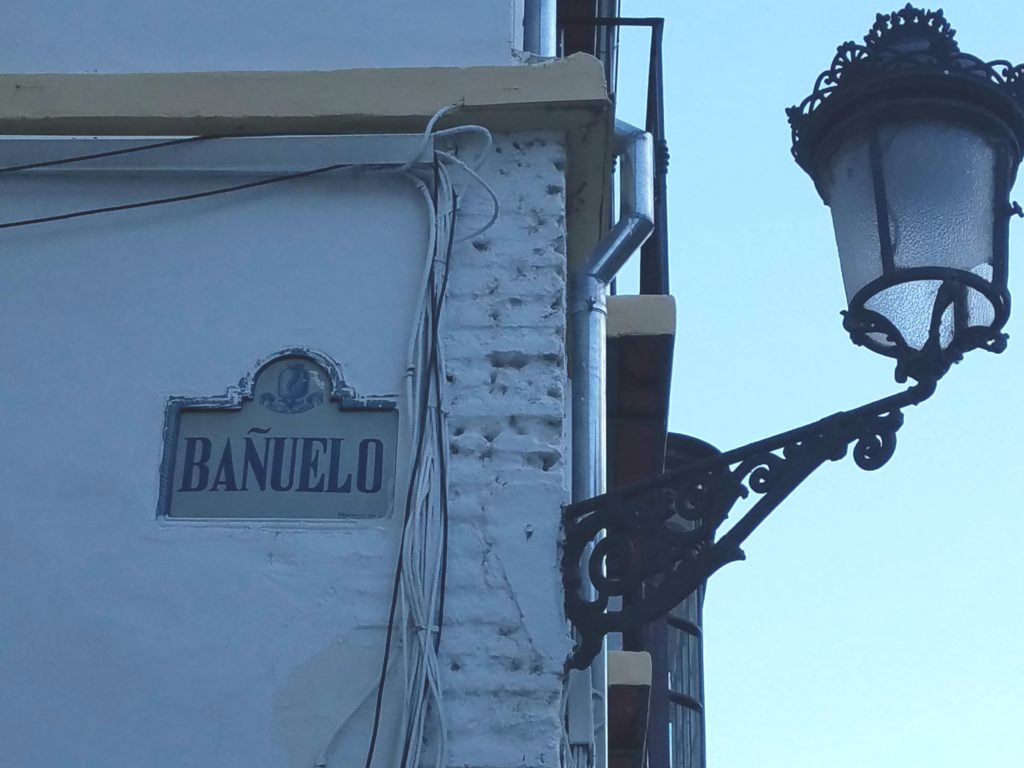
The “Bañuelo” is open Tuesday through Saturday from 10:00am to 2:00pm. It is closed on Mondays, Sundays and holidays.
Address: Carrera del Darro 31, Granada
Telephone: 958 229 738
Entry price: €2,00
 The Roman Bridge of Córdoba, also known as the “Old Bridge”, presently has 16 of the original 17 arches and measures across 331 meters (over 361 yards). It was built in the I Century B.C. over the Guadalquivir River and is still in use after more than 20 centuries. Continue reading “The Roman Bridge of Córdoba”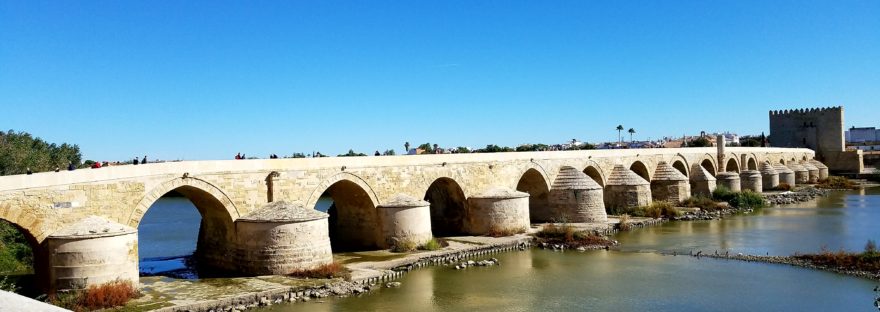
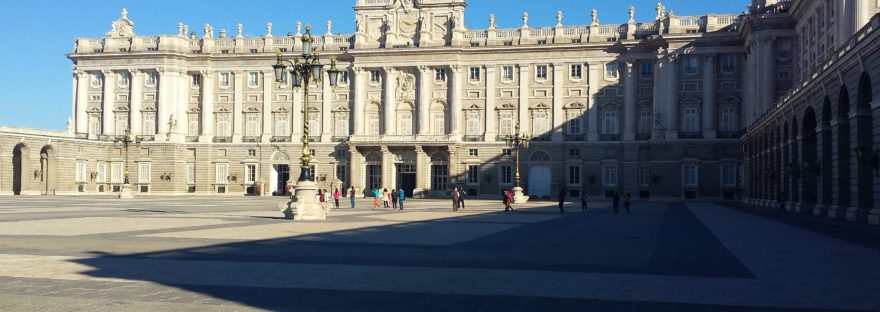
 Saturdays are usually hectic days and for us even more, but we were in Madrid. And although life in Madrid begins at 10: 00h, we wasted no time and set out early on its conquest.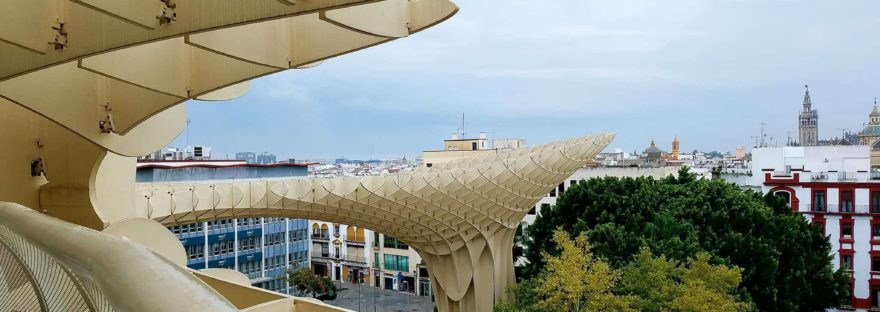
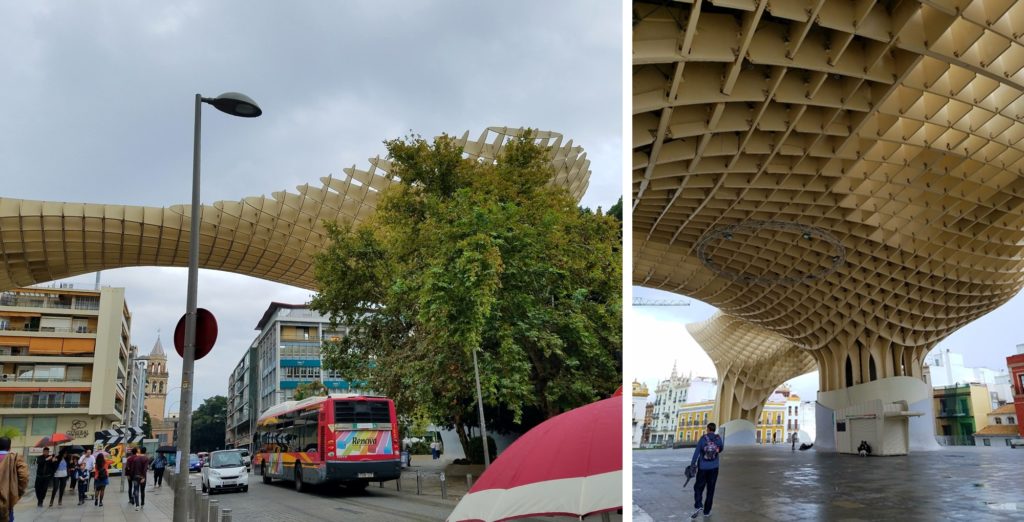 Frankly, we couldn’t imagine the enormous size of this structure. As we approached it we felt like Smurfs under these huge mushrooms. With much curiosity and skepticism we decide to discover what this large structure had to offer.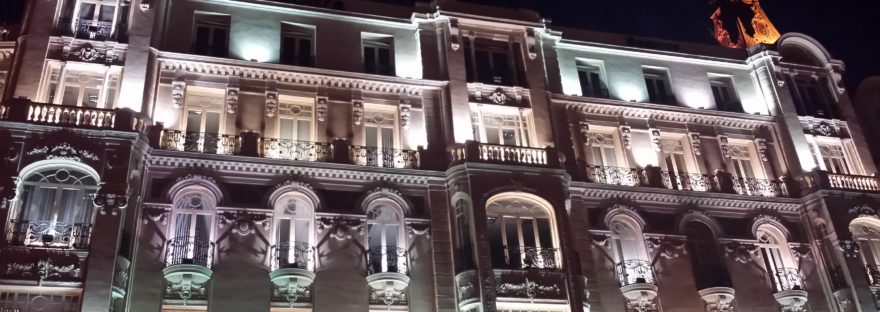

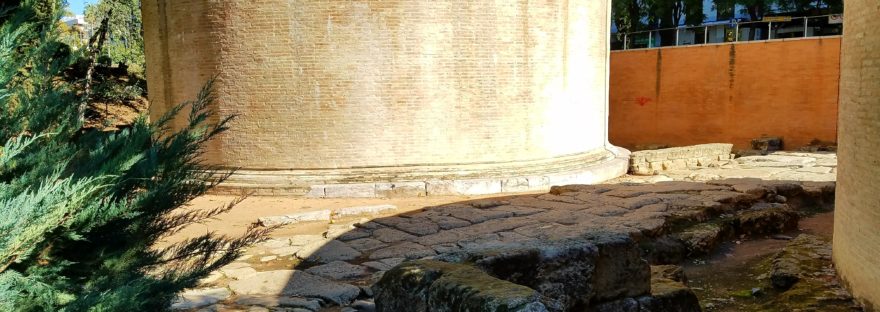
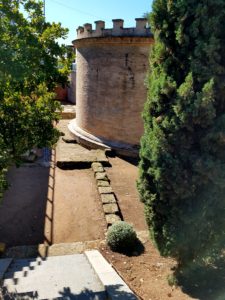 As we strolled through Córdoba, we unexpectedly encountered a large circular or cylindrical structure which turned out to be part of the Roman Mausoleums of Córdoba, a pleasant surprise. In researching the same, we discovered that this was of the most important funeral structures of the city built by the Romans and that they date back to the I Century. We observed that the same had be completely re-built and the burial hall containing Ash Urns as well as remains of its base, cornice and banisters . The Center for the Interpretation of the Funeral World is found therein and can be visited by appointment.