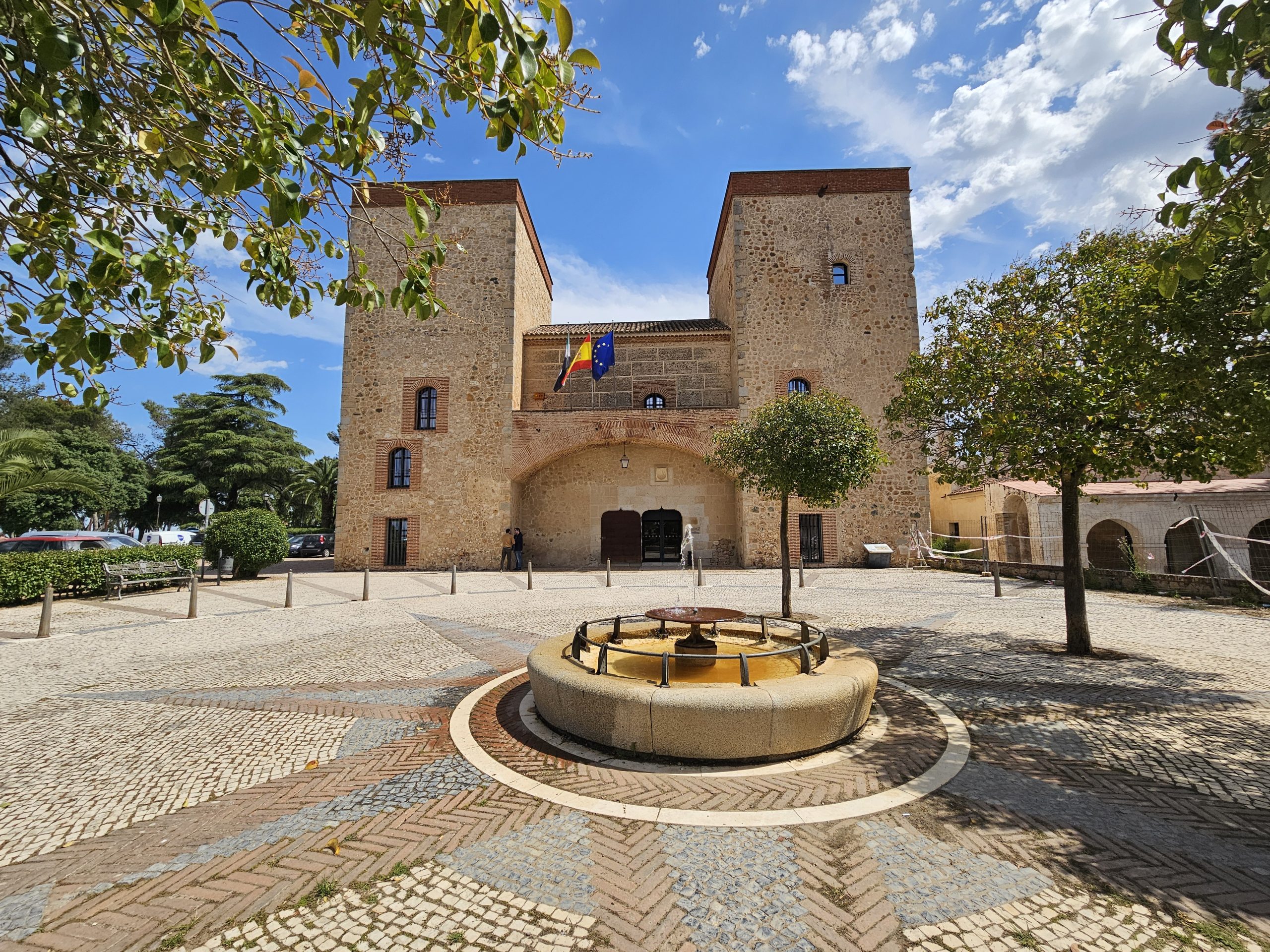
The Provincial Archaeological Museum is located within the grounds of the old Islamic Alcazaba, at the highest point of Badajoz, in Extremadura, Spain. The museum was founded in 1867 with the purpose of preserving, researching, and sharing the archaeology of the present-day province of Badajoz.
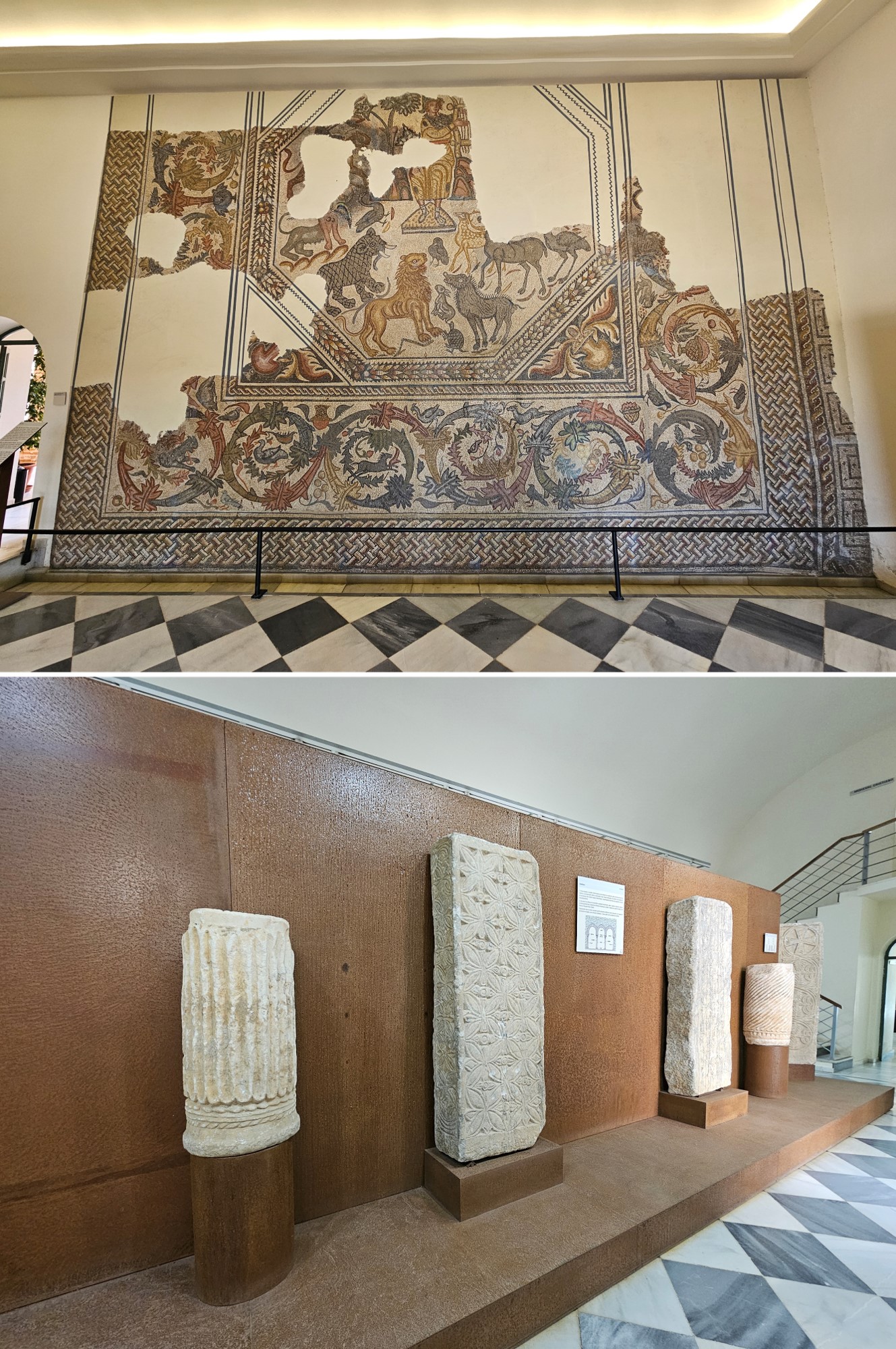
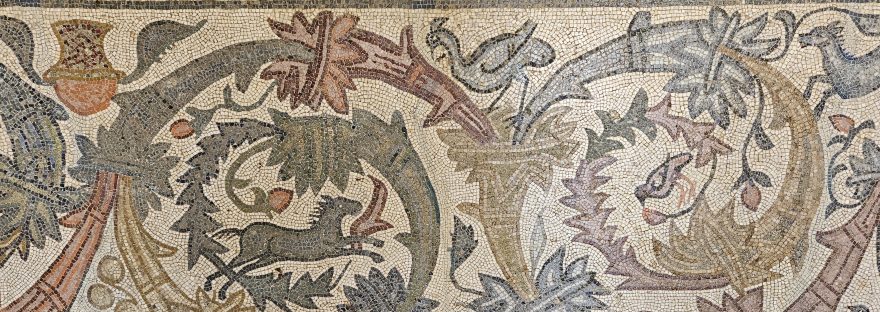
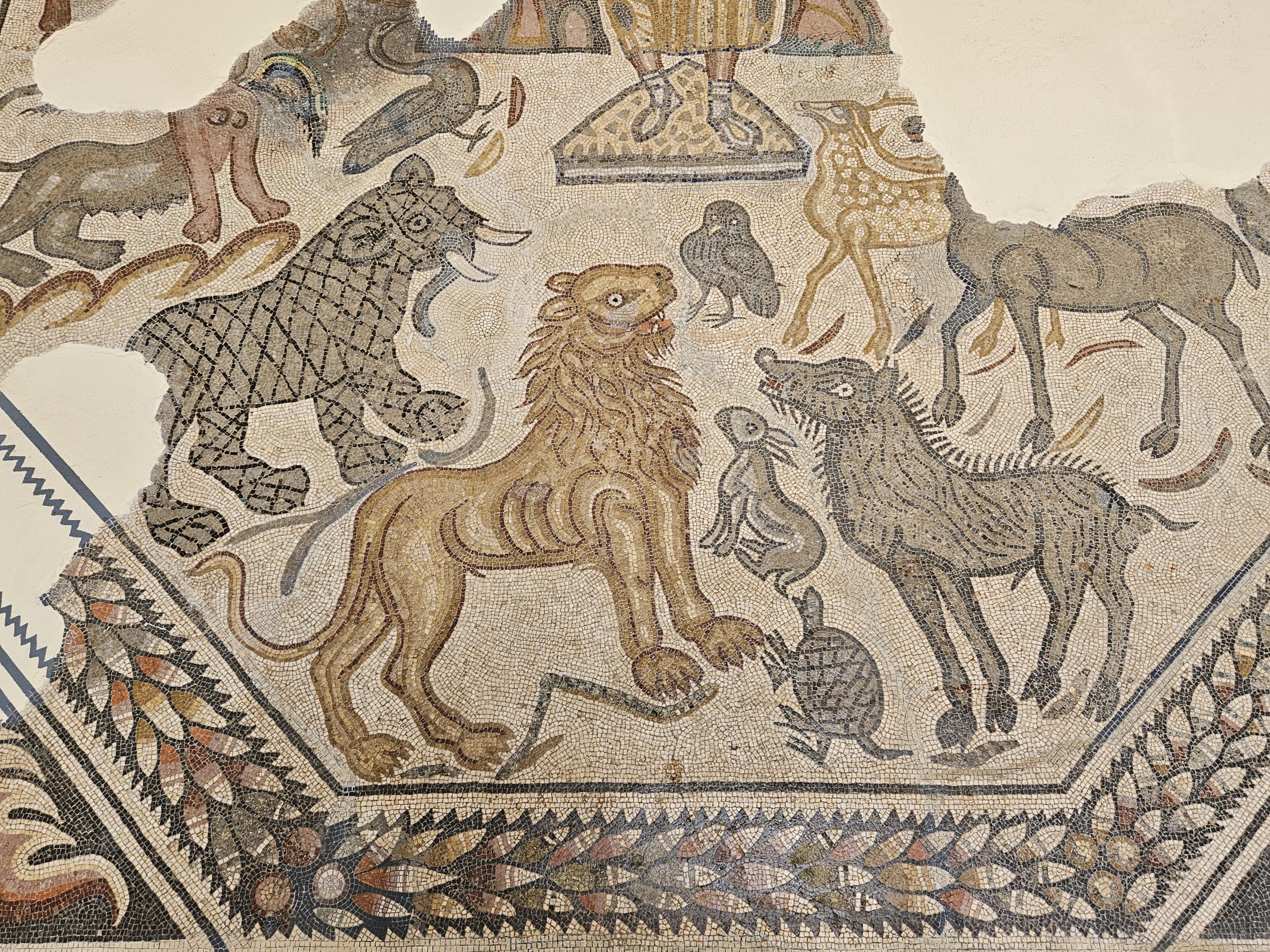
Throughout its history, the Provincial Archaeological Museum of Badajoz has offered a comprehensive overview of the region’s history through a collection of archaeological pieces unique to the Iberian Peninsula. Its exceptional collection includes over 20,000 items that tell the story of the province from the Paleolithic period to the 16th century. The museum’s galleries present human presence in the area in chronological order, from Prehistory to the Middle Ages, including artifacts from the Chalcolithic, Bronze Age, Protohistoric period, Roman and Late Roman periods, and the Middle Ages. Today, it is one of the most visited museums in the city.
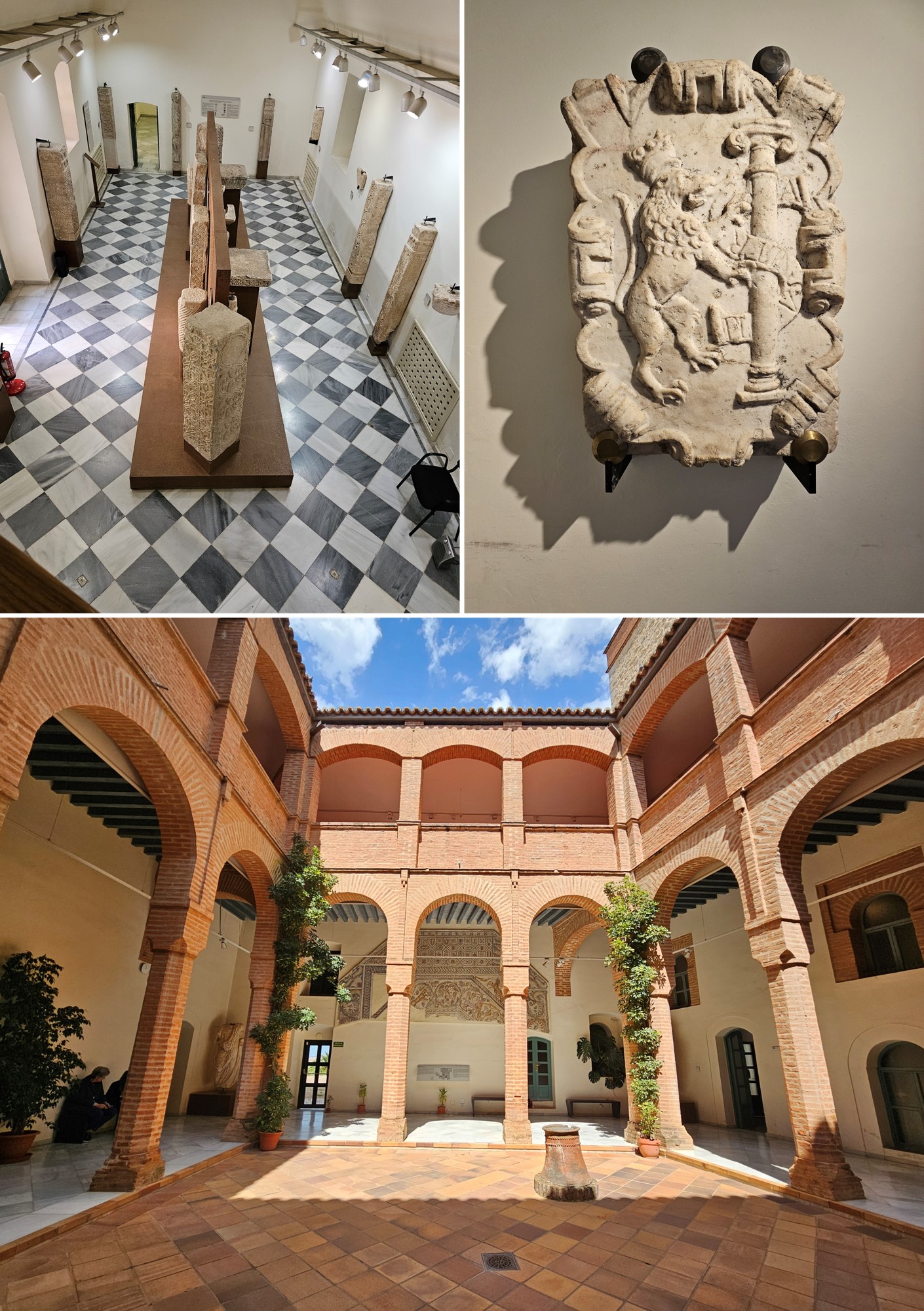
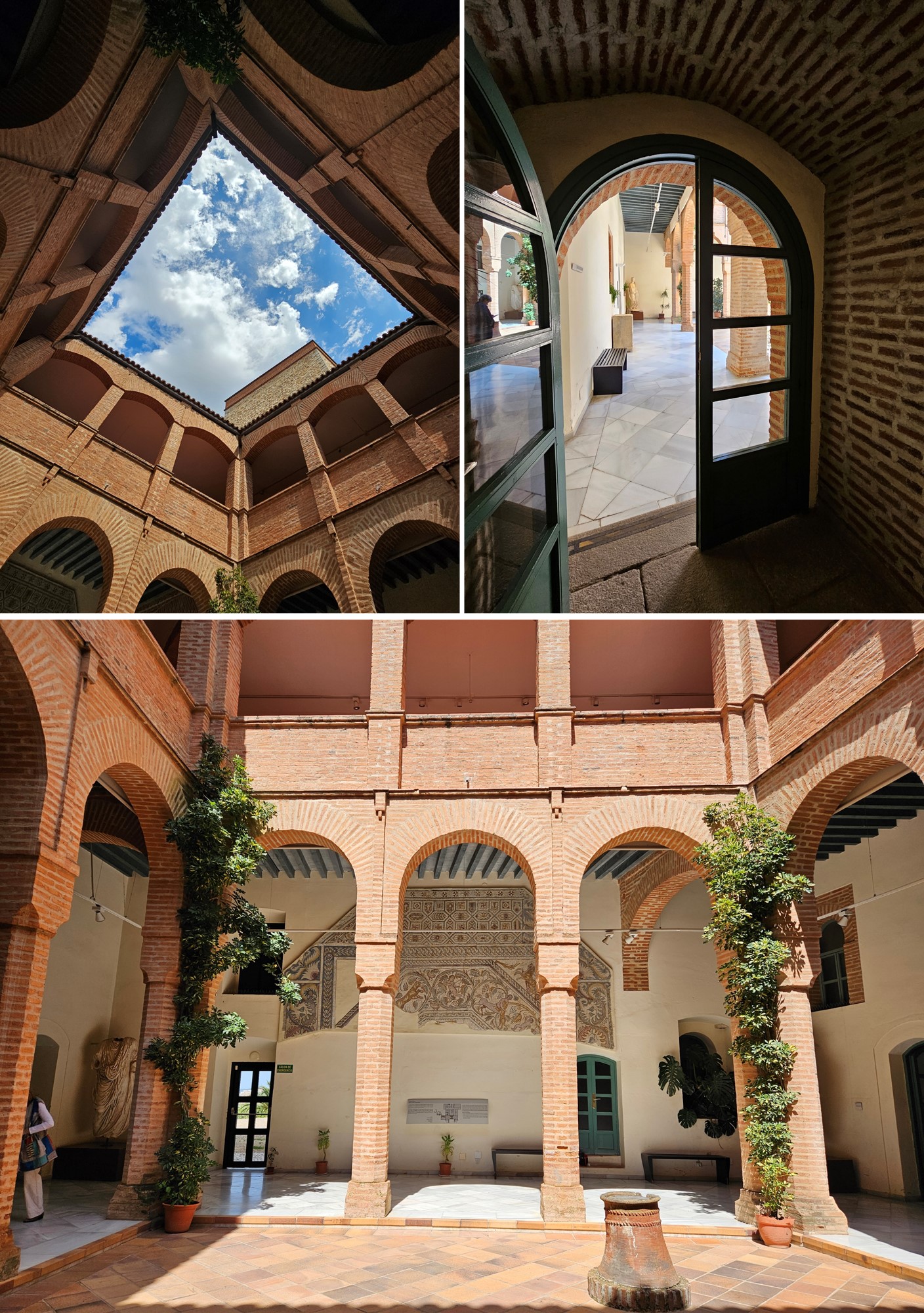
The building that houses the museum is of great historical and architectural value. It is the Palace of the Counts of Roca, built in the 16th century by the noble Extremaduran family Suárez de Figueroa. The structure combines elements of a palace and a fortress, with a large central courtyard and some Mudéjar-style details.
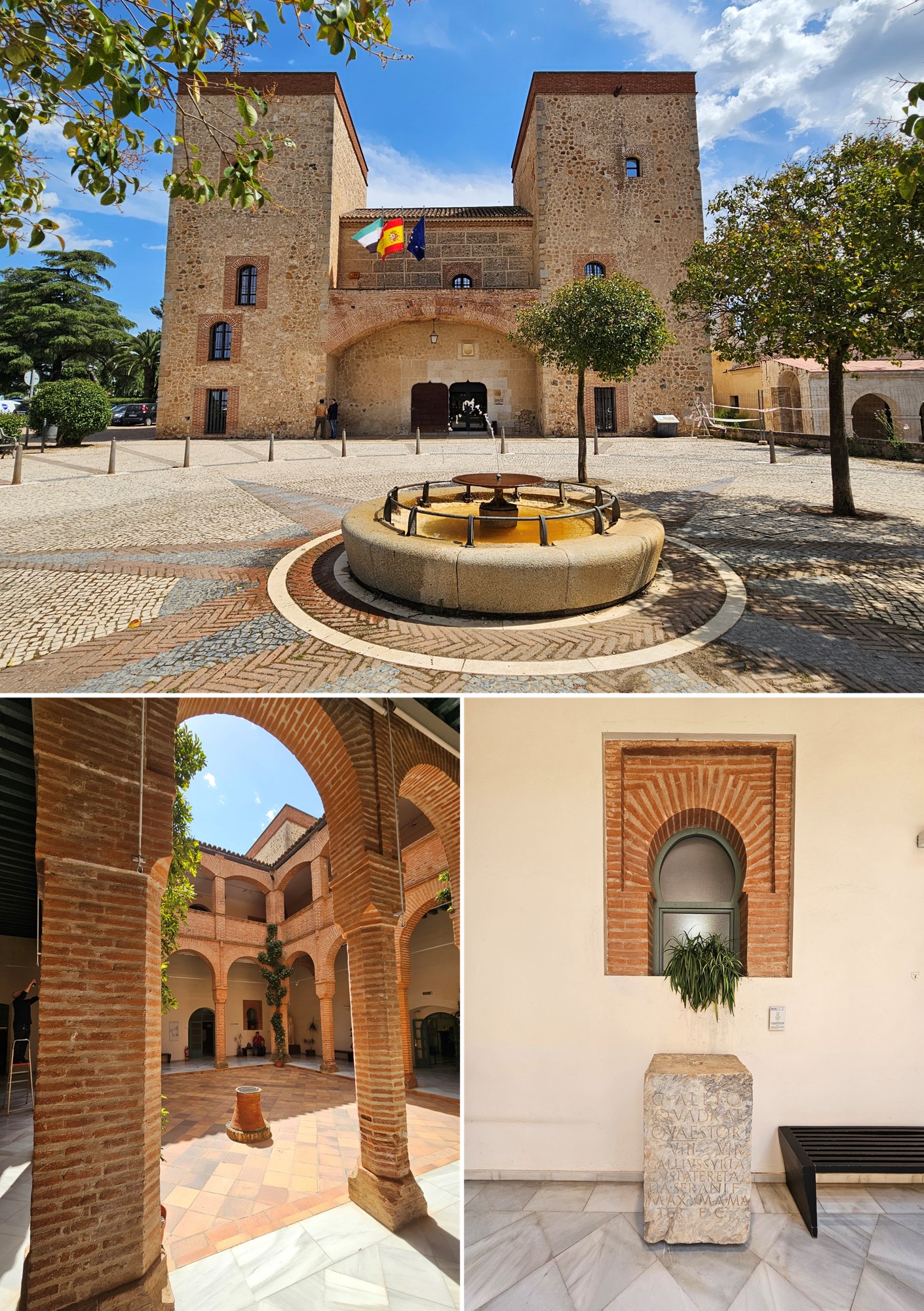
Over the centuries, the building has undergone numerous renovations and structural reinforcements. In the 18th century, it served as the San José barracks. Later, after the War of Independence, it fell into ruin until restoration began in 1970, preserving the original façade, the northwest tower, and some interior features.
In addition to its exhibitions, the Provincial Archaeological Museum of Badajoz dedicates much of its activity to other services, including the conservation, organization, and documentation of provincial archaeological heritage, supporting the educational community, and conducting research on its collections.