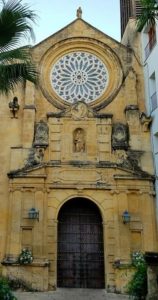
 During our visit to Córdoba, we came across the Royal Church of Saint Paul, one of the most outstanding of the city’s center. It is among the first to be established by the Dominican Monks in Spain. It became an important house of study in which great missionaries were developed, such as Brother Francisco de Córdoba, First Martyr of the Evangelization in the Americas, Brother Tomás de San Martín, who placed the first stone of the University of Hispanola and founded the University of Lima (Peru) and Brother Jerónimo de Loaysa, first archbishop of Lime (Peru). Seguir leyendo «Royal Church of Saint Paul in Córdoba»
Autor: La Viajera y El Mochilero
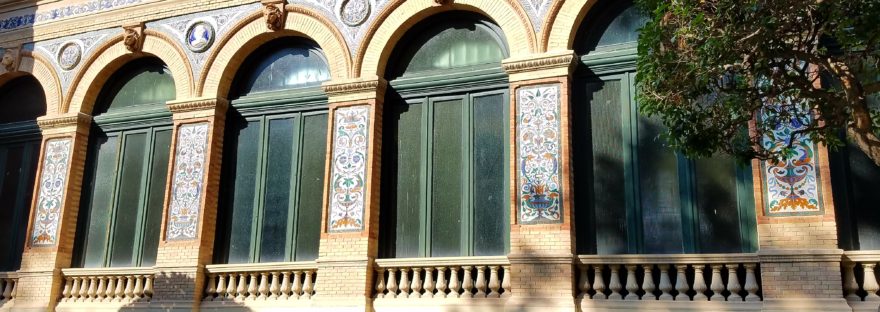
The Velazquez Palace
We arrived at the «Buen Retiro» Park in Madrid, believing that we could see for the first time a structure designed by the great Velazquez. We discovered the Velazquez work, but it was not done by the famed painter. This Velazquez turned out to be the architect, Ricardo Velázquez Bosco. There are a few years between them, the painter pertained to the XVII century, whereas the architect was of the XIX century. Confused no longer, we moved onward to enjoy the Palace of Exhibitions known as the Velazquez Palace and the current exhibit. Seguir leyendo «The Velazquez Palace»
«El Cid Campeador» in Seville
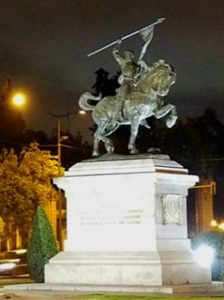 A night view of the imposing sculpture of «El Cid Campeador» in Seville, Spain. Mounted on his steed «Bavieca» we have Rodrigo Díaz de Vivar («El Cid») in a triumphant stance. The sculptor Anna Huntington, spouse of the Hispanist and multimillionaire Archer Milton Huntington, founder of the Hispanic Society of America of New York, donated this bronze statue to the city of Seville. Seguir leyendo ««El Cid Campeador» in Seville»
Cid Campeador de Sevilla
Mirada nocturna a la imponente escultura de El Cid Campeador en Sevilla, España. Montado sobre Bavieca, vemos a Rodrigo Díaz de Vivar (El Cid) en actitud triunfante. La escultora Anna Huntington, esposa del hispanista y multimillonario Archer Milton Huntington, el fundador de la Hispanic Society of América de Nueva York, donó a la ciudad de Sevilla esta escultura en bronce. Seguir leyendo «Cid Campeador de Sevilla»
The Holy Prime Cathedral*
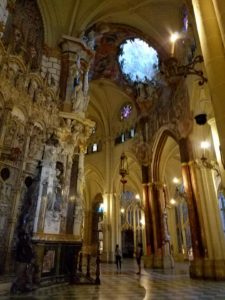
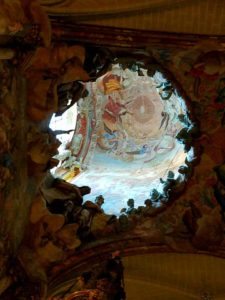 «Narciso Tomé, Master Architect of this «Santa Catedral Primada» (Holy Prime Cathedral*), drew, sculpted and also painted by himself Seguir leyendo «The Holy Prime Cathedral*»
Santa Catedral Primada
“Narciso Tomé, Arquitecto Mayor de esta Santa Catedral Primada, delineó, esculpió y a la vez pintó por sí mismo Seguir leyendo «Santa Catedral Primada»
The «Bañuelo» of Granada
We finally got to see what had us very curious, the famous Arab baths and a little of their history. Since the late XIX century, the Nogal Baths are known simply as the «Bañuelo», a diminutive used since it is smaller in size than other royal baths in the Alhambra.
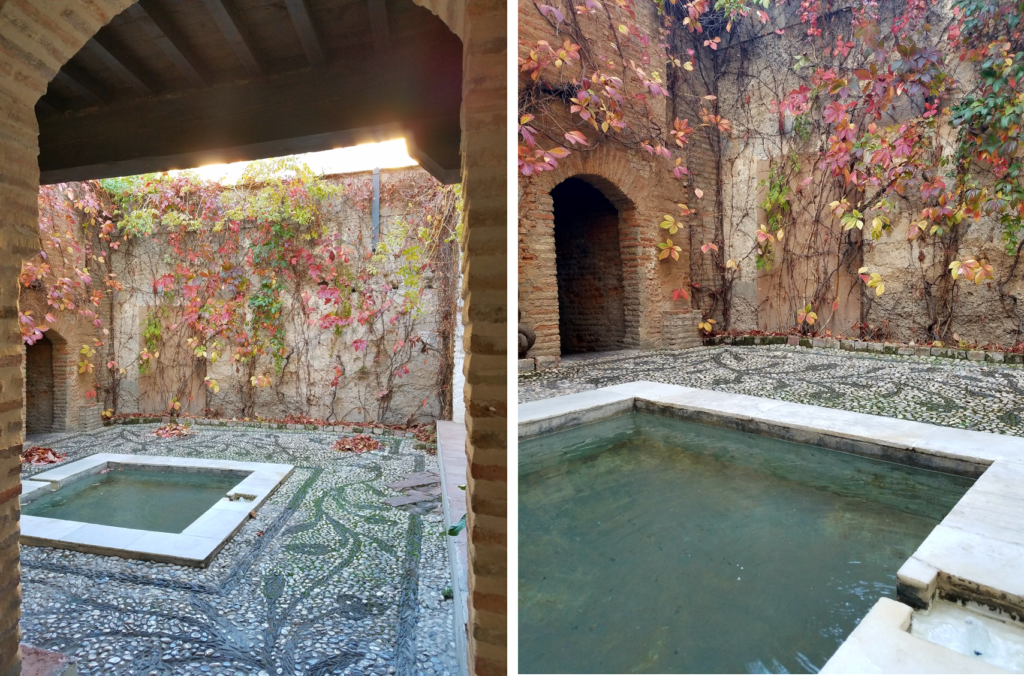
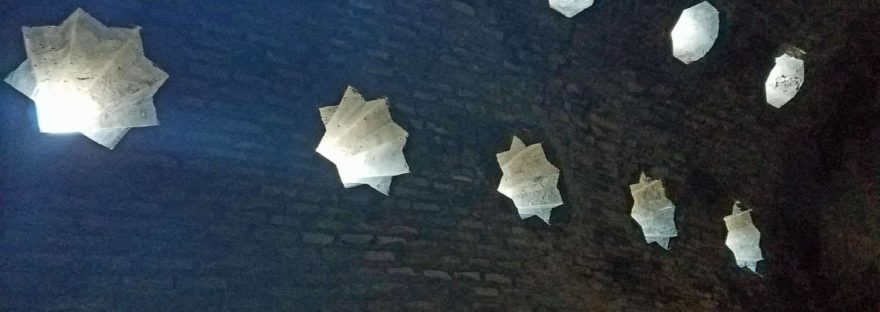
The «Bañuelo» of Granada is one of the oldest, most important and most completely conserved in Spain. It is also considered as one of the oldest Moorish works in Granada. It is rectangular in shape with concrete walls with the different halls being covered by brick vaults with skylights in octagonal and star shape, thus providing lighting. We confirmed that these were in fact skylights.
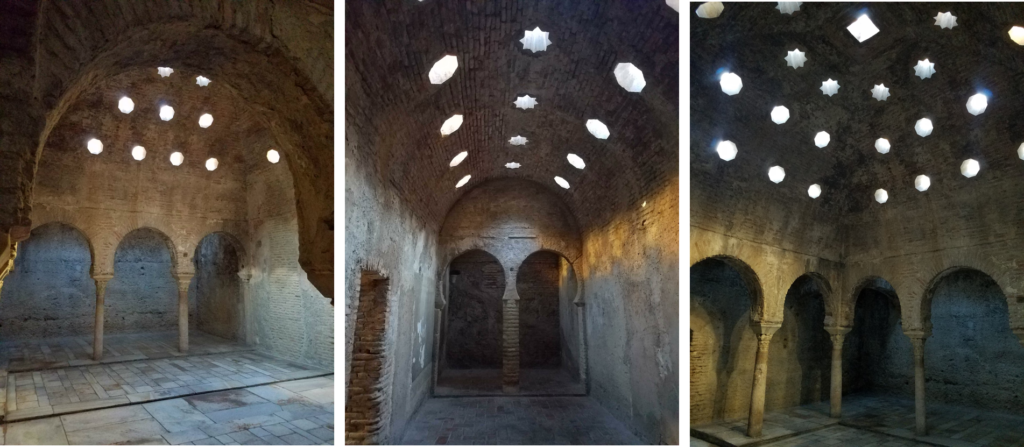
During the reign of the Catholic Kings, the Arab or Moorish baths were considered to be brothels, therefore it is amazing that this «Bañuelo» was conserved so well.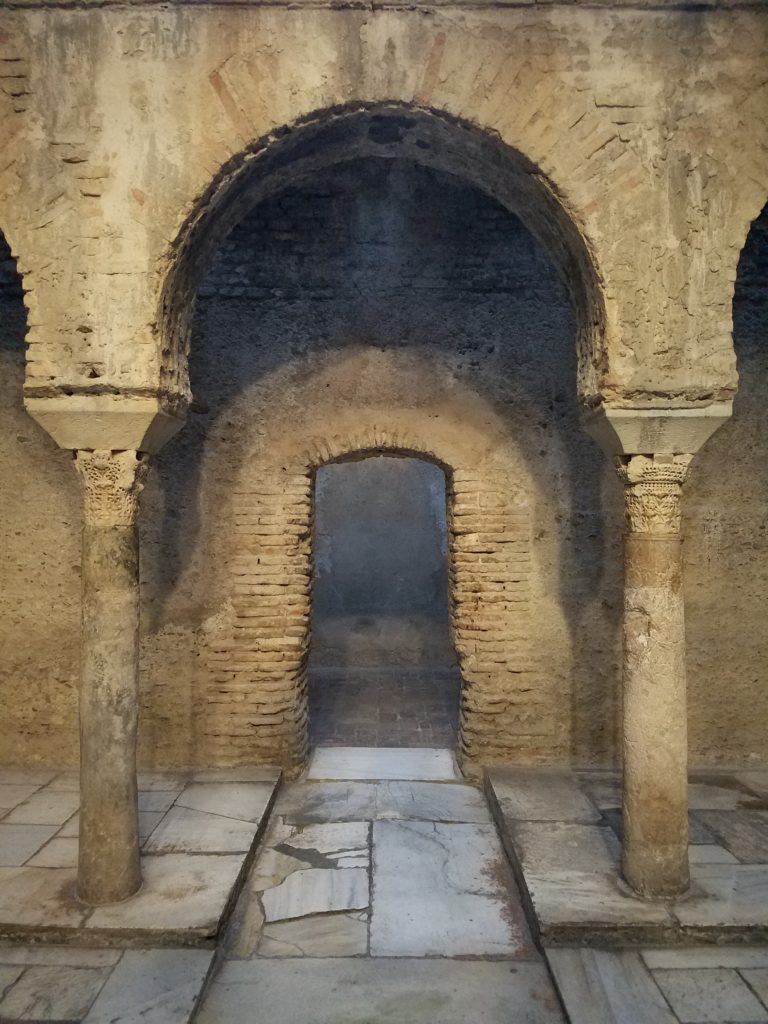
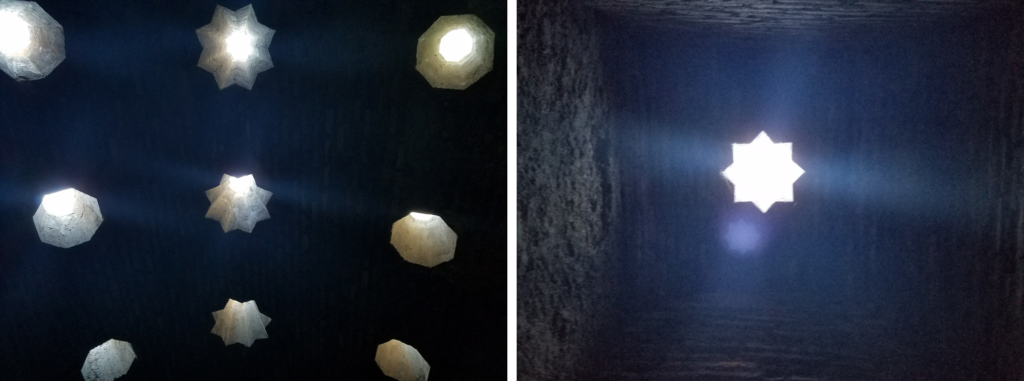
Scholars and experts have been unable to agree on when this «Bañuelo» was actually built. Yet, everything seems to point towards the end of the Zirid Dyanasty, somewhere between the XI and XII centuries. 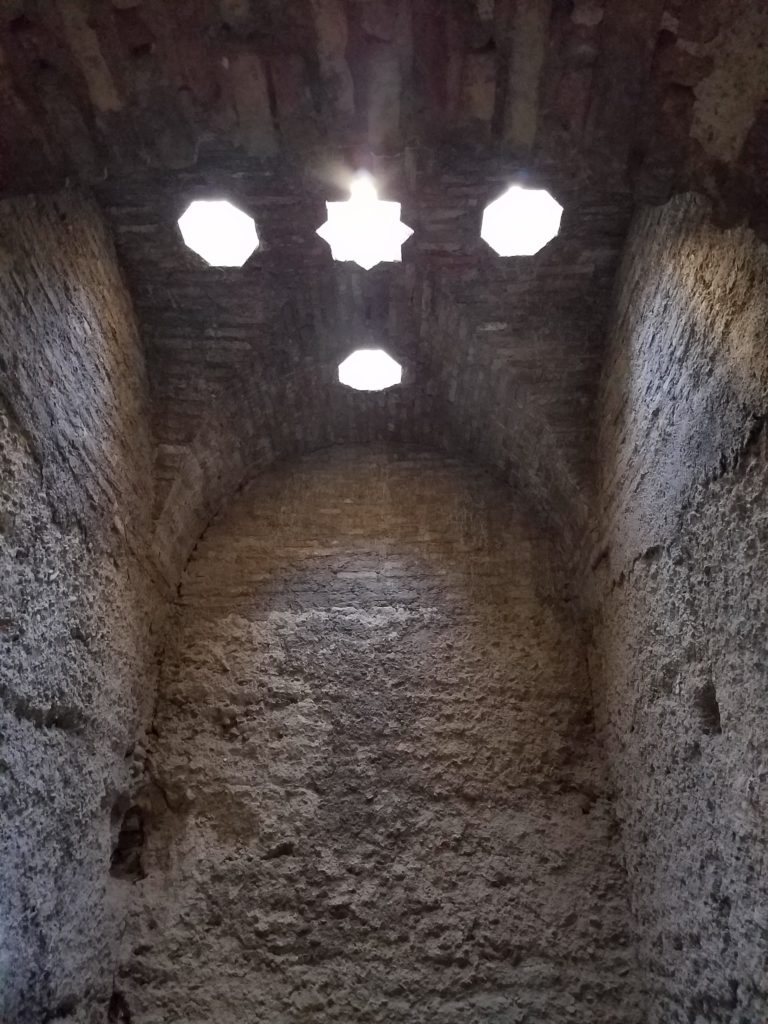 It has a privileged location on a important street in a highly populated area and near the Bab al-Bunud gateway, known as the Gate of Banners.
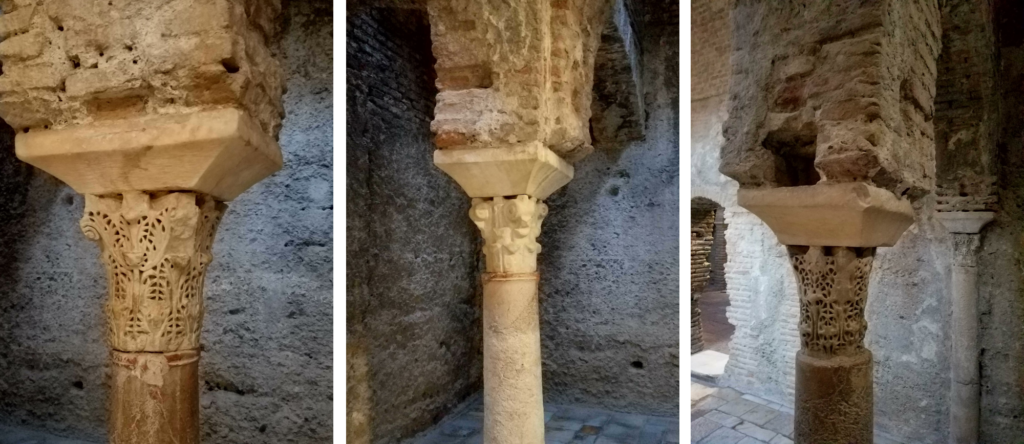
The «Bañuelo» of Granada was declared a National Monument in 1918 and the architect Torres Balbás was in charge of its restoration.
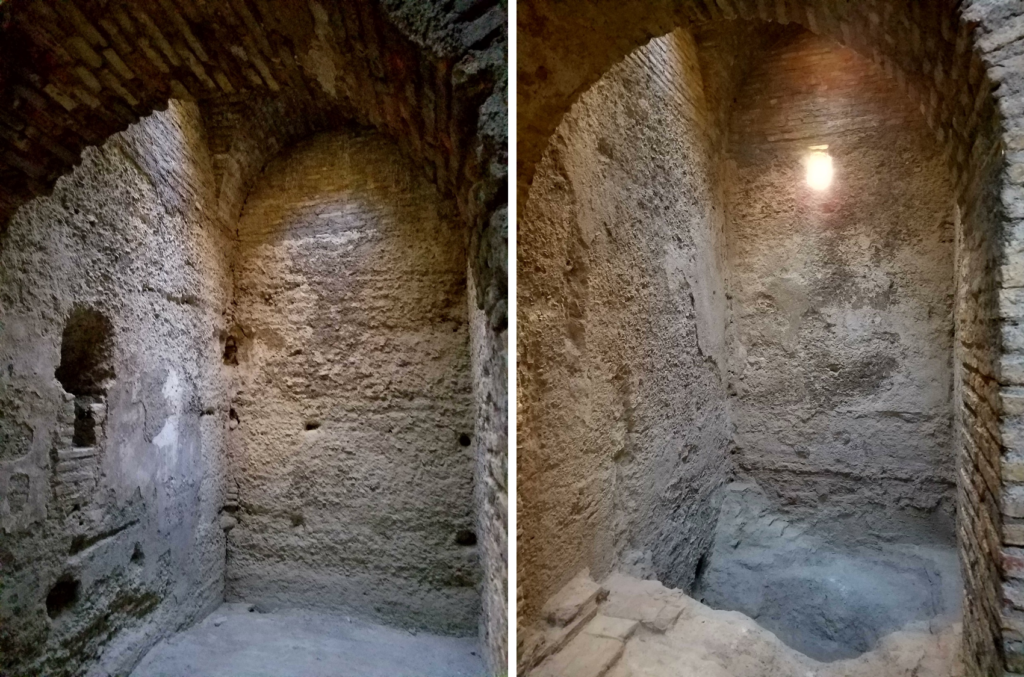
When in Granada, visiting the «Bañuelo» should be on your bucketlist. A great experience.
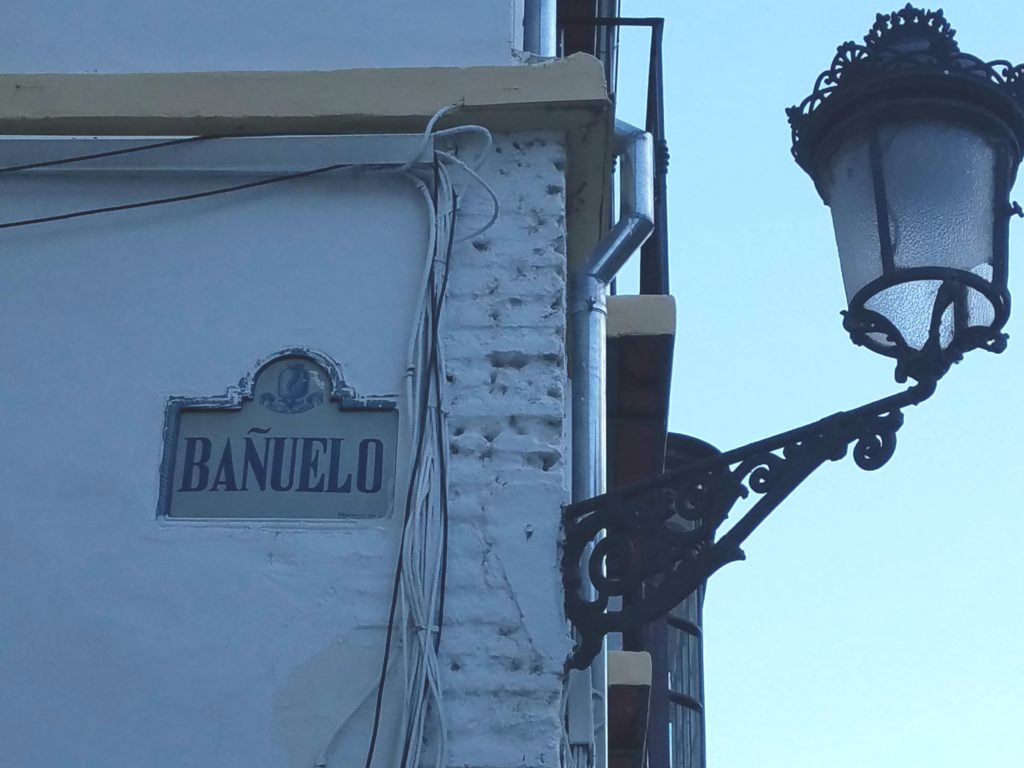
The «Bañuelo» is open Tuesday through Saturday from 10:00am to 2:00pm. It is closed on Mondays, Sundays and holidays.
Address: Carrera del Darro 31, Granada
Telephone: 958 229 738
Entry price: €2,00
El Bañuelo de Granada
Por fin conocimos algo que nos daba mucha curiosidad, los famosos baños árabes y un poco de su historia. Desde finales del siglo XIX, el Baño del Nogal se le conoce por el nombre de Bañuelo, diminutivo que se utiliza por ser de un tamaño menor a los baños reales de la Alhambra.
Seguir leyendo «El Bañuelo de Granada»
The Patio of the «Doncellas»
 It is hard to believe that what we now-a-day know as the «Patio de las Doncellas» in the «Real Alcázar » of Seville was in part, once buried beneath a marble pavement. The structure’s bedding and a pond were uncovered as an archaeological finding in 2002. As a result of this, the structure of this old Moorish garden was revealed, making it a very relevant event for the archaeological history of medieval Spain. Seguir leyendo «The Patio of the «Doncellas»»
El Patio de las Doncellas
Es difícil pensar que lo que conocemos hoy del Patio de las Doncellas en el Real Alcázar de Sevilla, estuvo, en parte, enterrado bajo un pavimento de mármol. Los arriates (recuadro acotado en un jardín o patio donde hay flores plantadas) y la alberca (estanque) fueron descubiertos en unos estudios arqueológicos en 2002. Gracias a estos hallazgos, salieron a la luz las estructuras del antiguo jardín mudéjar, lo que significó un hecho de suma relevancia para la historia de la arqueología medieval española. Seguir leyendo «El Patio de las Doncellas»