"Madrid", Blog English, Country, Spain

Madrid and its Cybele Palace

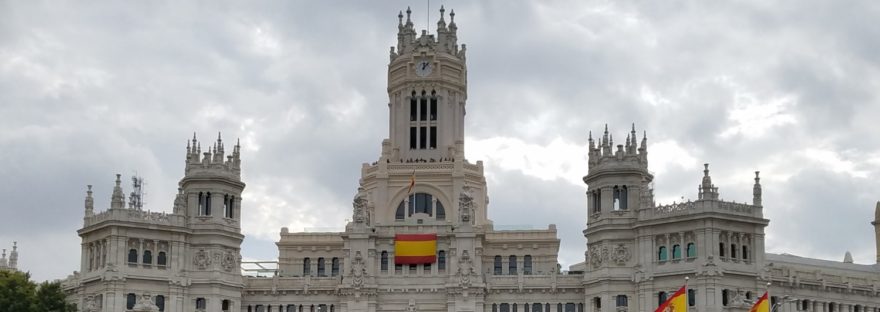
On the corner of Alcalá street and the Prado Promenade in Madrid, Spain, stands the Cybele Palace, framed by the famous Cibeles Fountain, from which its name derives. This symbol of the city of Madrid, with a certain touch of cathedral, is within walking distance of other famous structures such as the Metropolis Building, the Prado Museum and the Arch or Gateway to Alcalá.

Seguir leyendo «Madrid and its Cybele Palace»

Blog, España, Madrid, Paises

Madrid y su Palacio de Cibeles

En la esquina de la calle Alcalá y el Paseo del Prado en Madrid, España, se levanta el Palacio de Cibeles, enmarcada por la famosa Fuente de Cibeles, de la que deriva su nombre. Este símbolo de la ciudad de Madrid, con un cierto toque de catedral, se encuentra a poca distancia de otras estructuras famosas como el Edificio Metrópolis, el Museo del Prado y el Arco o Puerta de Alcalá.

Seguir leyendo «Madrid y su Palacio de Cibeles»

Blog, Italia, Paises, Roma

El anfiteatro de los emperadores flavianos

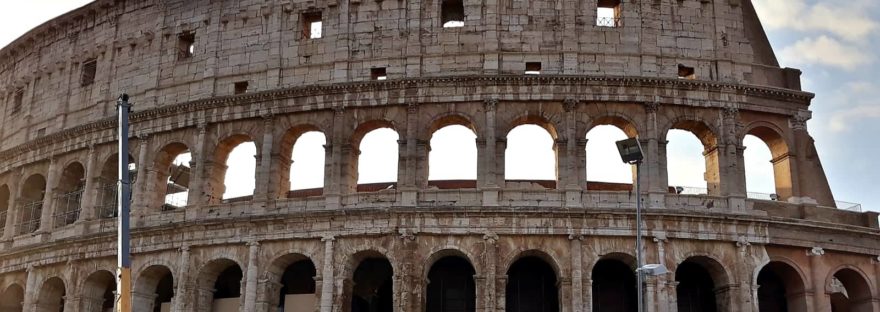
El pueblo romano disfrutó en la antiguedad de espectáculos como juegos de gladiadores (de los etruscos), simulacros de batallas navales, caza o peleas de animales salvajes (venaciones), carreras de carros y otros eventos. El anfiteatro romano evolucionó de los estadios griegos de dos lados y los teatros semicirculares. También representó una mejora sobre el «Circo Máximo» romano, de forma elíptica con un divisor central fijo. La columna vertebral perjudicaría la visualización de ciertos eventos.

Seguir leyendo «El anfiteatro de los emperadores flavianos»

Blog English, Country, Italy, Rome

The Amphitheater of the Flavian Emperors

The Roman people enjoyed shows such as gladiatorial games (of the Etruscans), simulations of naval battles, hunting or fighting of wild animals (venations), car races and other events. The Roman amphitheater evolved from the two-sided Greek stadiums and semicircular theaters. It also represented an improvement over the Roman «Circus Maximus,» elliptically with a fixed central divider. The spine would impair the display of certain events. Seguir leyendo «The Amphitheater of the Flavian Emperors»

Blog, Firenze / Florencia, Italia, Paises

«Cattedrale di Santa Maria del Fiore»

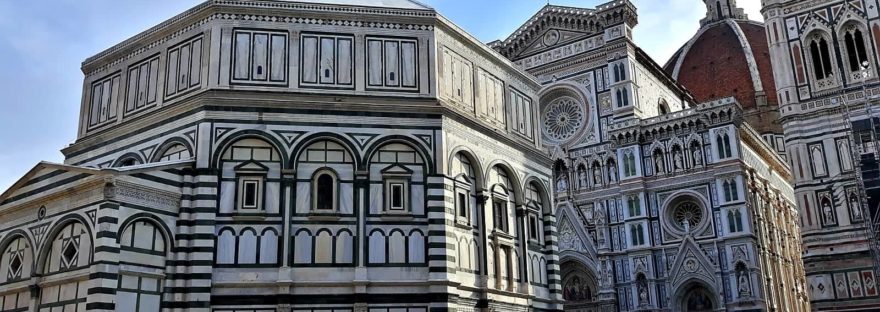
Una de las ciudades de más florecimiento y desarrollo en tiempos antiguos lo fue Firenze en Italia. Fue el centro del comercio y las finanzas europeas medievales. Lugar de nacimiento del Renacimiento y la lengua italiana estándar, hogar del «David» de Michelangelo, la ciudad de los Médicis, el Ponte Vecchio y la capital de la Toscana. La pieza central de esta ciudad tan valiosa, es el conjunto de la «Cattedrale di Santa Maria del Fiore». Seguir leyendo ««Cattedrale di Santa Maria del Fiore»»

Blog English, Country, Florence, Italy

«Cattedrale di Santa Maria del Fiore» – Firenze

One of the most flourishing and developing cities in ancient times was Florence. It was the center of medieval European commerce and finance. Birthplace of the Renaissance and the standard Italian language, home of Michelangelo’s «David», the city of the Medicis, the «Ponte Vecchio» and the capital of Tuscany. The centerpiece of this historically valuable city is another treasure; the whole of the «Cattedrale di Santa Maria del Fiore».

Seguir leyendo ««Cattedrale di Santa Maria del Fiore» – Firenze»

"Toledo", Blog English, Country, Spain

The Tavera Hospital in Toledo

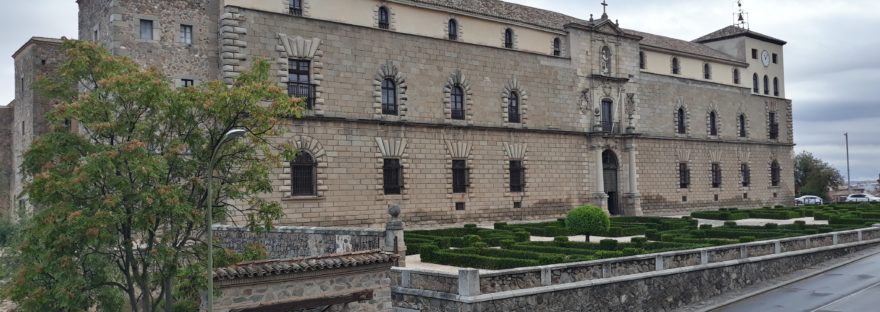
The San Juan Bautista Hospital was built on the outskirts of Toledo, Spain, between 1541 and 1603 by order of Cardinal Juan Pardo de Tavera and, therefore, the popular reference to the building as the Tavera Hospital. The building is also known as the Exterior Hospital as it was literally outside the city walls of Toledo.

Seguir leyendo «The Tavera Hospital in Toledo»