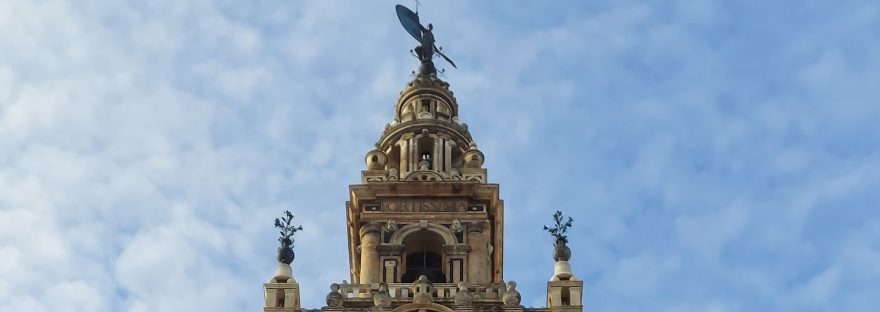
Diríamos que la Giralda es la torre campanario más fotografiada en Sevilla. Y es que, desde diferentes puntos de esta hermosa ciudad española, tanto caminando, como desde el mirador de las Setas, se puede divisar a la Giralda erguida elegantemente junto a su Catedral de Santa María de la Sede. Y aunque hoy, hay edificios que superan su altura, en su día, la Giralda fue la torre más alta del mundo con sus 97,5 m de altura o 320 pies. En el 1928 la catedral, incluida la Giralda, fue declarada Monumento Nacional y en 1987 integraron la lista del Patrimonio de la Humanidad. Seguir leyendo «La Giralda de Sevilla»
Autor: La Viajera y El Mochilero
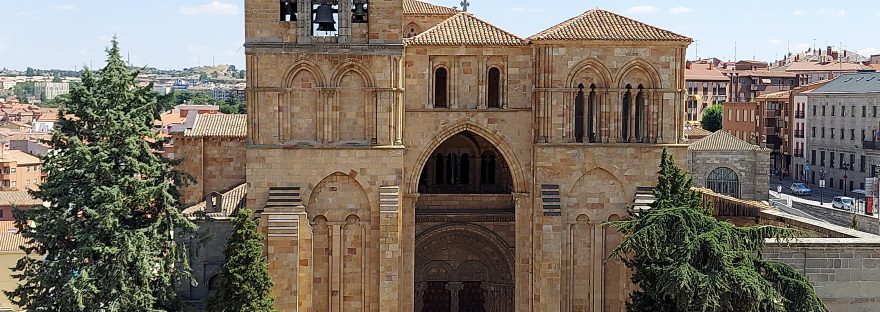
The Basilica of Saint Vicent of Avila
During our stroll above the walls of Avila, we could see from different angles, a very unique temple, both due to its proportions and its architecture, this was the Basilica of Saint Vicent. Seguir leyendo «The Basilica of Saint Vicent of Avila»
La Basílica de San Vicente de Ávila
En nuestra caminata por las murallas de Ávila, pudimos observar desde diferentes puntos, un templo muy singular, tanto por sus proporciones como por su arquitectura, se trataba de la Basílica de San Vicente. Seguir leyendo «La Basílica de San Vicente de Ávila»
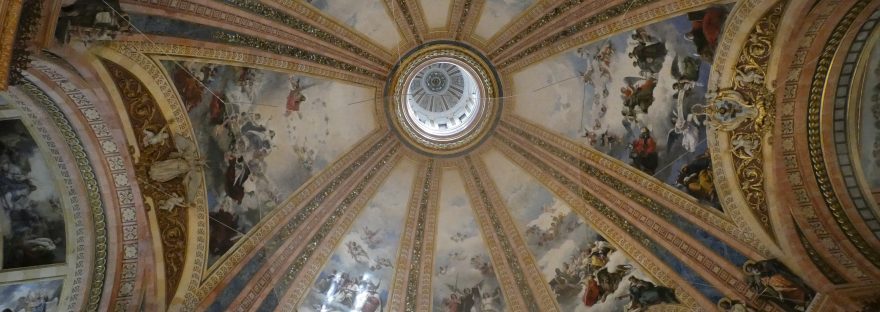
Madrid and the Royal Basilica of Saint Francis the Great
Our interest in visiting the Royal Basilica of Saint Francis the Great in Madrid arose a few years ago when we stumbled upon the Gardens of the dahlias of Saint Frances. It was the beautiful temple that stood out on the other side of the wall that caught our attention. Seguir leyendo «Madrid and the Royal Basilica of Saint Francis the Great»
Madrid y su Real Basílica de San Francisco el Grande
Nuestro interés de visitar en Madrid, la Real Basílica de San Francisco el Grande, surge desde hace unos años cuando nos encontramos por casualidad con los Jardines de la Dalieda de San Francisco. Fue el templo hermoso que sobresalía al otro lado del muro lo que llamó nuestra atención. Seguir leyendo «Madrid y su Real Basílica de San Francisco el Grande»
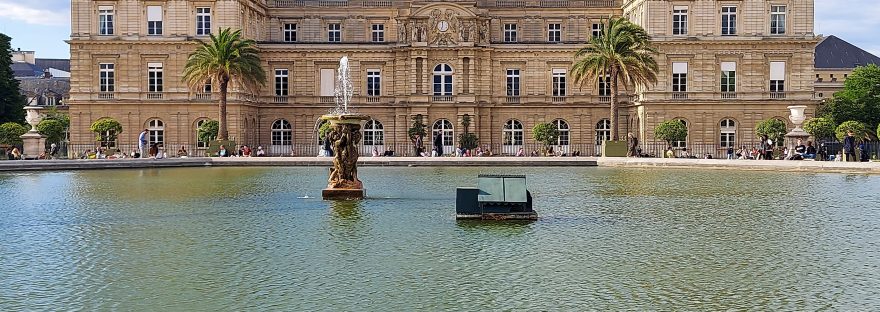
The Luxembourg Palace and its Gardens
One of the must-see places to visit in Paris is the Luxembourg Palace. On a sunny day, and after a long walk, it is the perfect stop to rest in one of the many green metal chairs that are around. So, from reading a good book, eating a light meal or just relaxing while contemplating the many statues and sculptures found in the gardens, it’s worth a stop. Seguir leyendo «The Luxembourg Palace and its Gardens»
El Palacio de Luxemburgo y sus Jardines
Es uno de los lugares que no se puede perder de visitar en París, se trata del Palacio de Luxemburgo. En un día soleado, y luego de una gran caminata, es la parada perfecta para descansar en una de las muchas sillas de metal verdes que se encuentran por los alrededores. Así que, desde leer un buen libro, comer algo ligero o simplemente relajarse contemplando las numerosas estatuas y esculturas que se encuentran en los jardines, vale la pena detenerse. Seguir leyendo «El Palacio de Luxemburgo y sus Jardines»
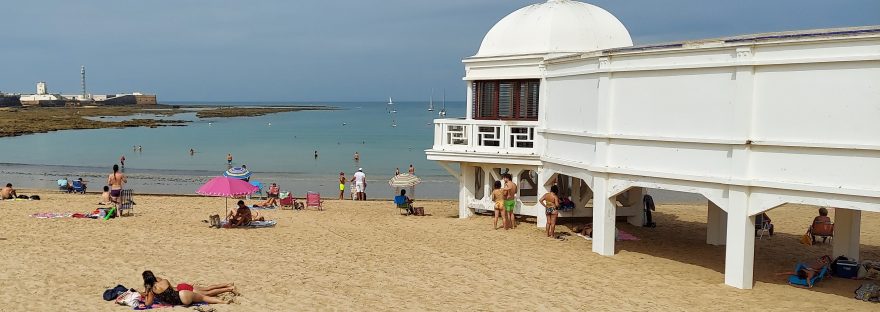
La Playa de la Caleta de Cádiz
Es la única playa situada en el casco histórico de Cádiz y la más pequeña de toda la ciudad. Ubicado en pleno barrio la Viña, la playa de La Caleta es muy popular entre los gaditanos y entre todos aquellos que la visitan para disfrutar del sol y refrescarse del calor veraniego. Seguir leyendo «La Playa de la Caleta de Cádiz»
The Caleta Beach of Cadiz
It is the only beach located in the historic center of Cadiz and the smallest of the whole city. Located in the neighborhood of «La Viña», the Caleta Beach is very popular among the people of Cadiz and among all those who visit it to enjoy the sun and cool off from the summer heat.

The Caleta Beach is a strip of fine golden sand about 450 meters long and at low tide can have a maximum width of 50 meters.
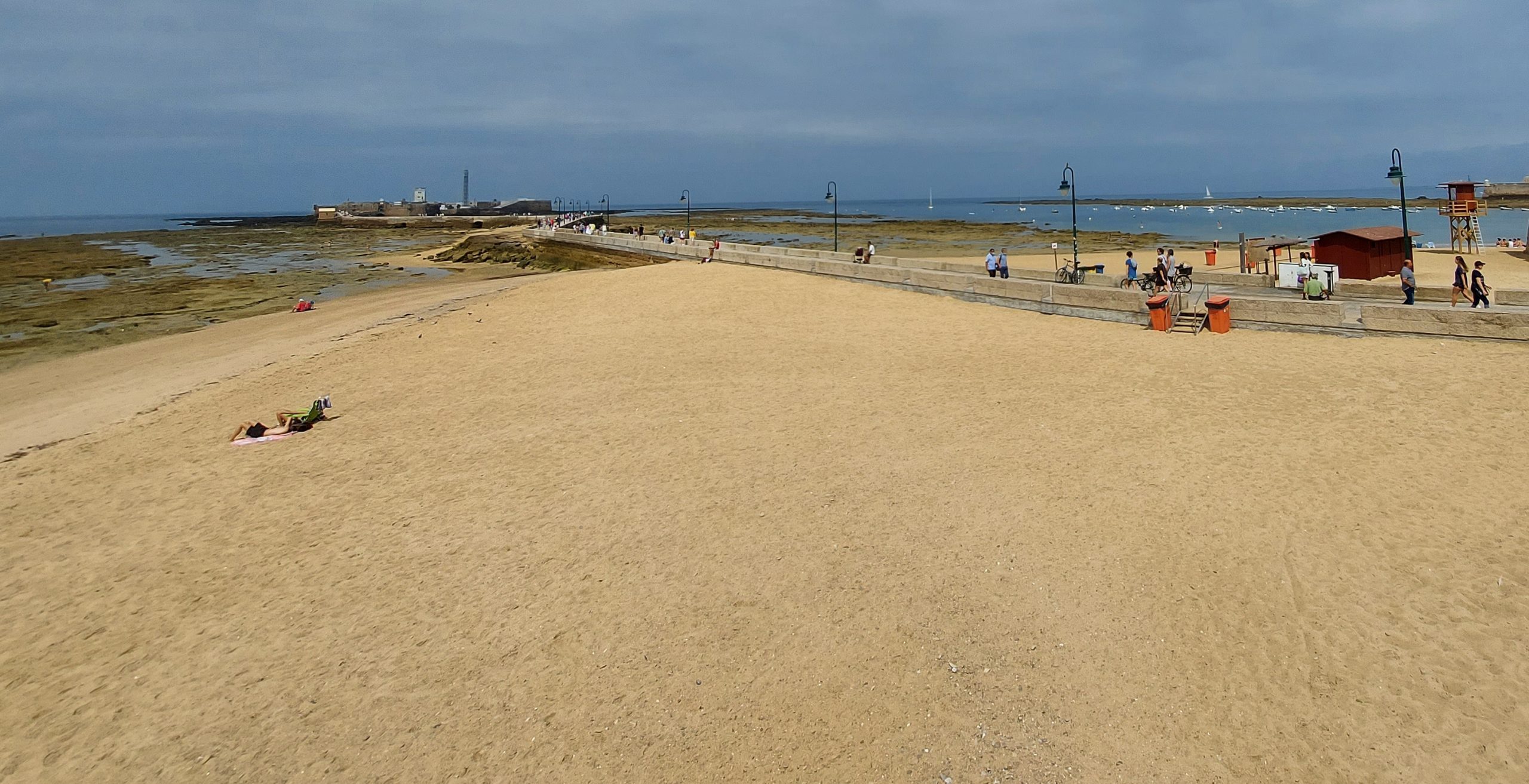
It was a natural harbor that served as a base for commercial operations in this area of the Iberian Peninsula. Each in its time, Phoenician, Carthaginian and Roman ships docked next to the channel that separated the archipelago from the islands of Erytheia and Kotinoussa. These islands made up Cadiz at that time. Thus, the current beach became a natural harbor between the two islands, separated by only a few hundred meters. Over the centuries, this channel was closed, forming the current shape of Cadiz. But the Caleta Beach continued to be an anchorage for small and medium-sized ships. And today, small fishing and recreational boats continue to moor there.
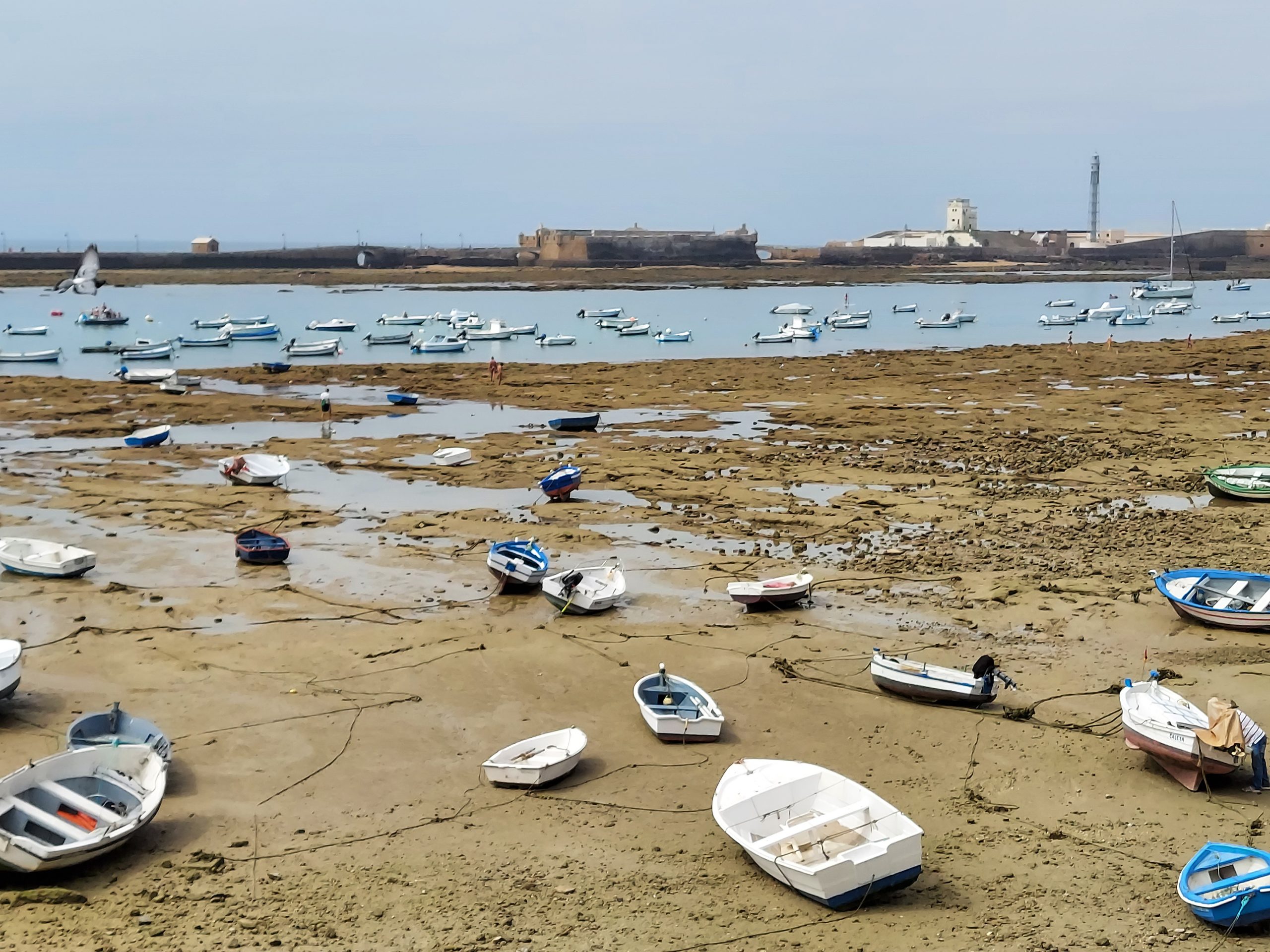
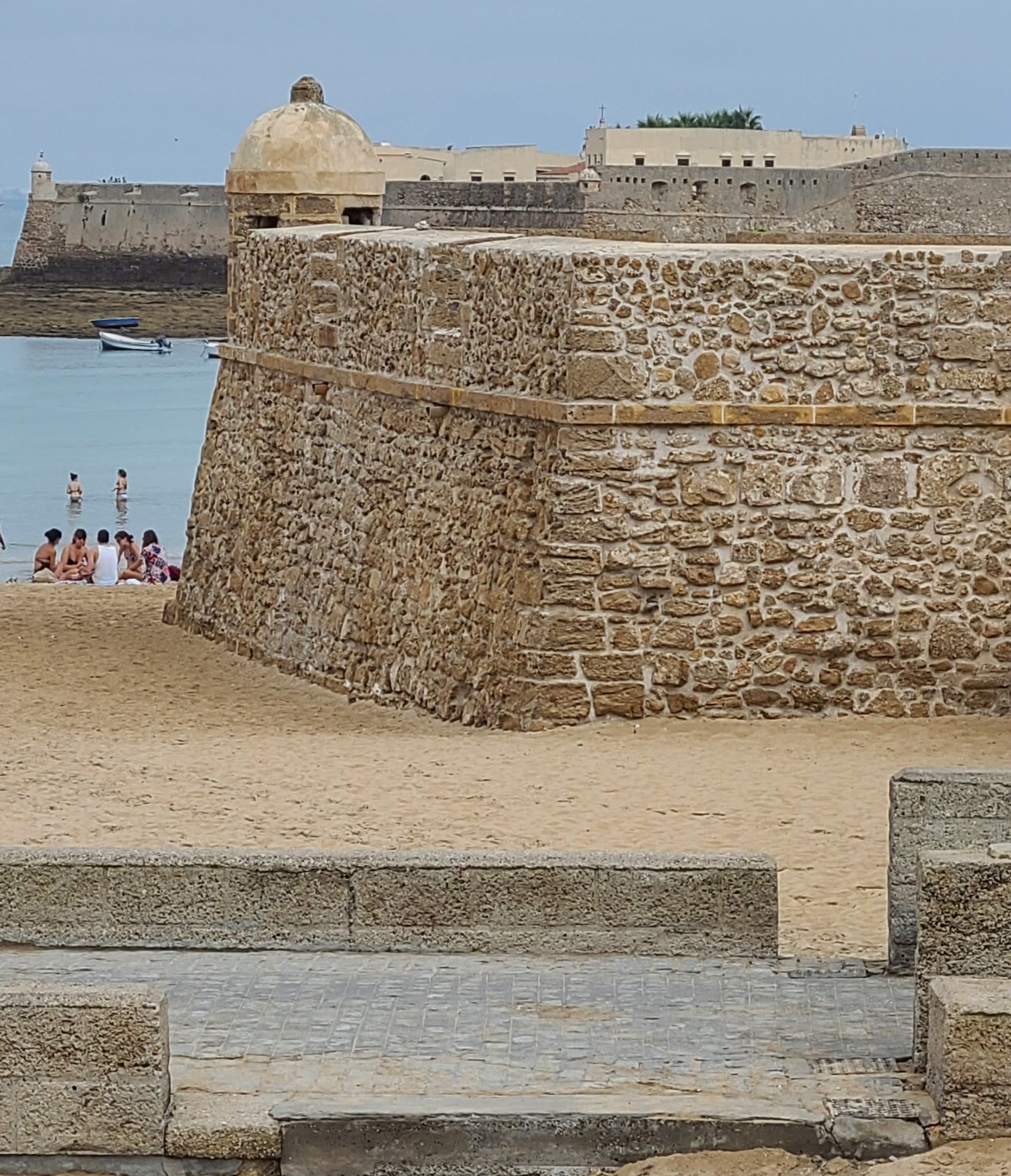
After the Anglo-Dutch invasion of Cadiz in 1596, it was decided to fortify the city, surrounding it with walls and building several fortifications in 1676. The beach is still surrounded by these walls, preserving the «Puerta de La Caleta», which is part of the bastion of «Orejón», and to its right was the bastion of Saint Paul and later Saint Peter, of which there still remains a sentry box. In 1860 the castle’s defenses were improved and a seawall was built to link it permanently to the city from the gate of «La Caleta», today’s «Paseo Fernando Quiñones».
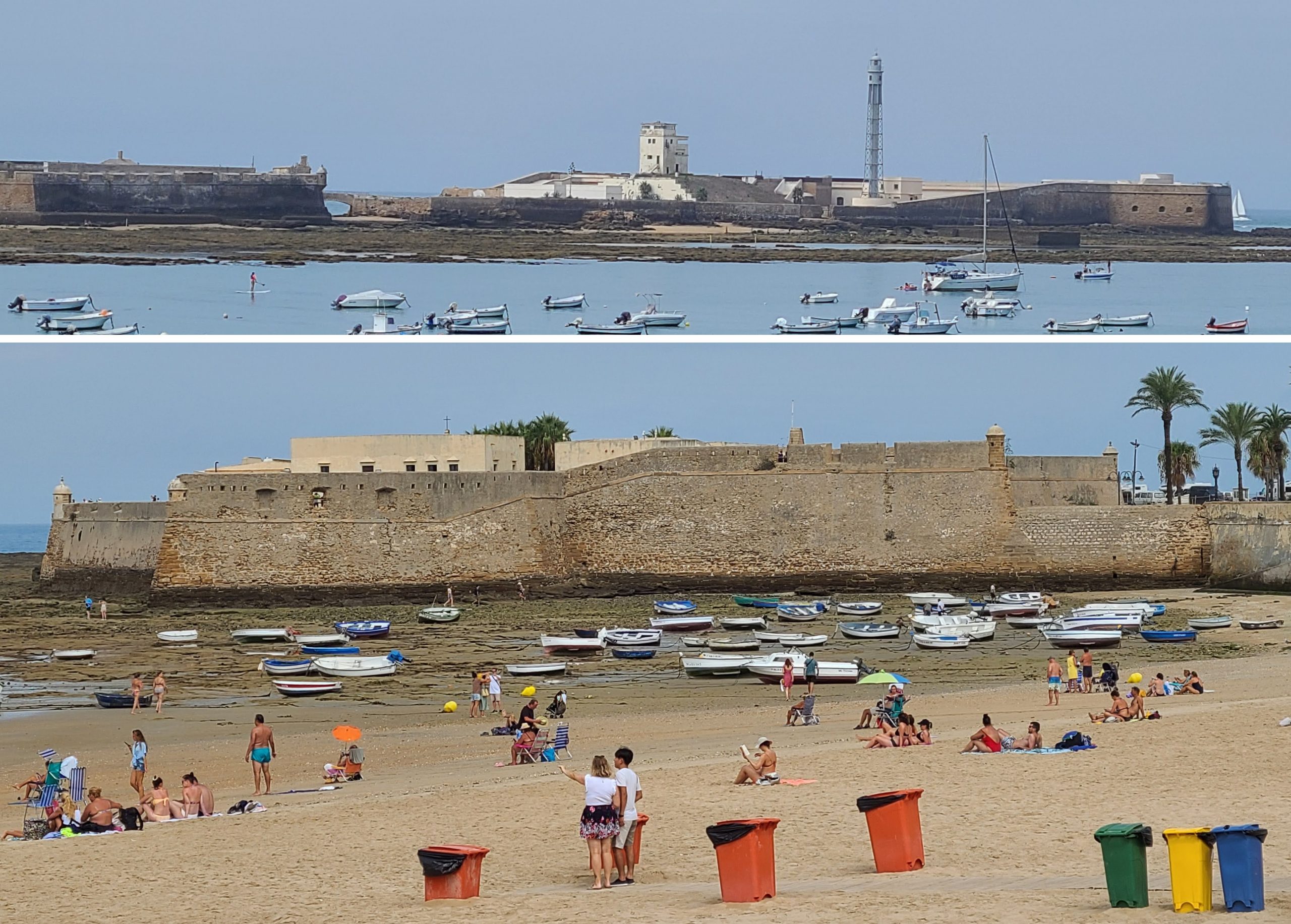
The Caleta Beach is framed by two fortifications, located on their respective jetties or breakwaters formed by large rocks: the castle of «San Sebastian» of 1706, with its powerful metal lighthouse, and the castle of «Santa Catalina». The latter, built at the end of the 16th century, has a pentagonal floor plan, with star-shaped points jutting out into the sea.
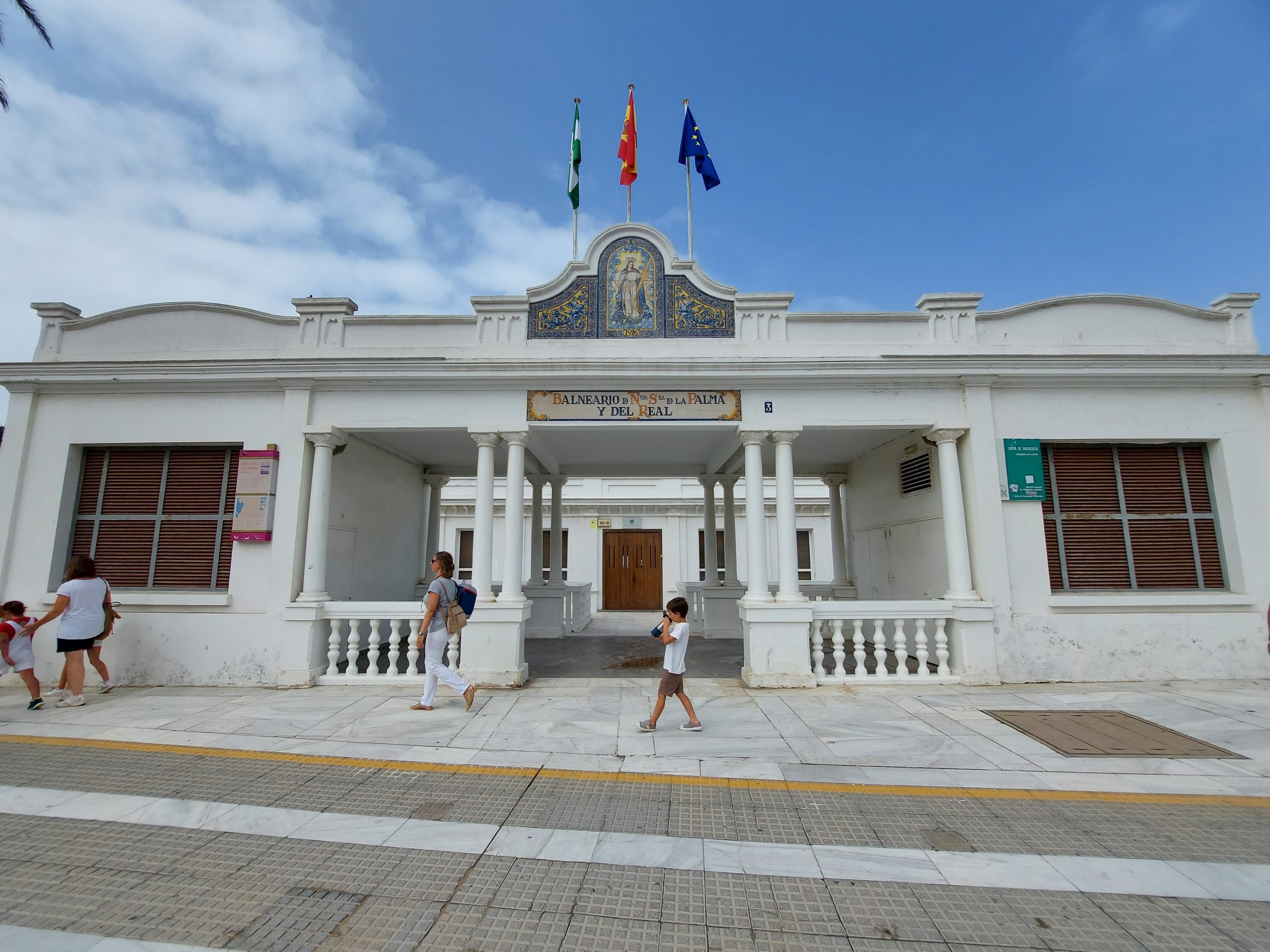
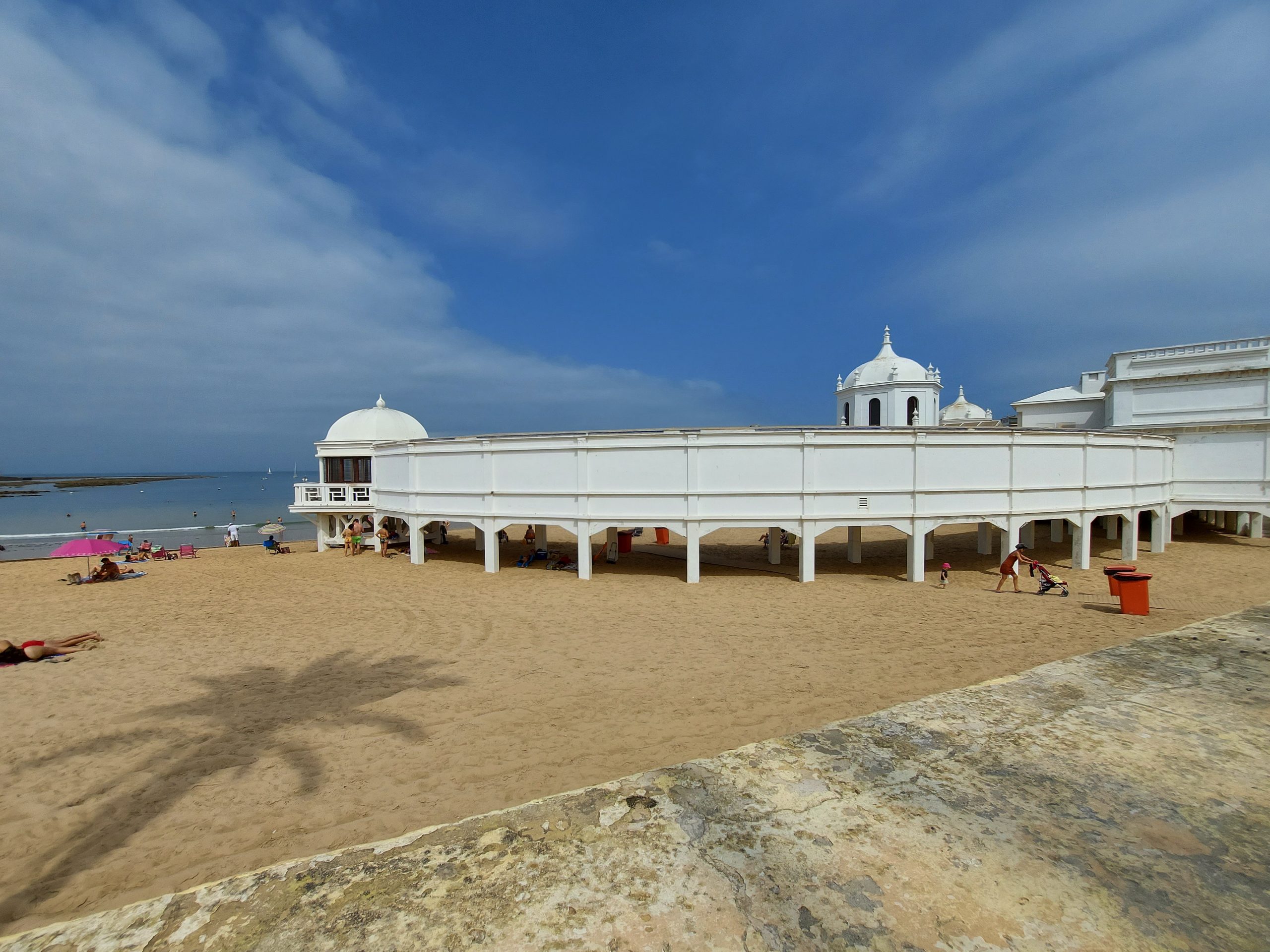
It was at the beginning of the 19th century that the «Balneario del Real» was built, a wooden structure created for the enjoyment of the people of Cádiz. After a century of use, the «Diputación» ordered its demolition due to its poor condition. In 1926 a new masonry one was inaugurated under the name of «Balneario de Nuestra Señora de La Palma y del Real». It was in 1990 that it was declared an Asset of Cultural Interest by the «Junta de Andalucía» and was restored again, and is currently the Center for Underwater Archaeology. It is precisely here where bathers protect themselves from the intense summer sun.
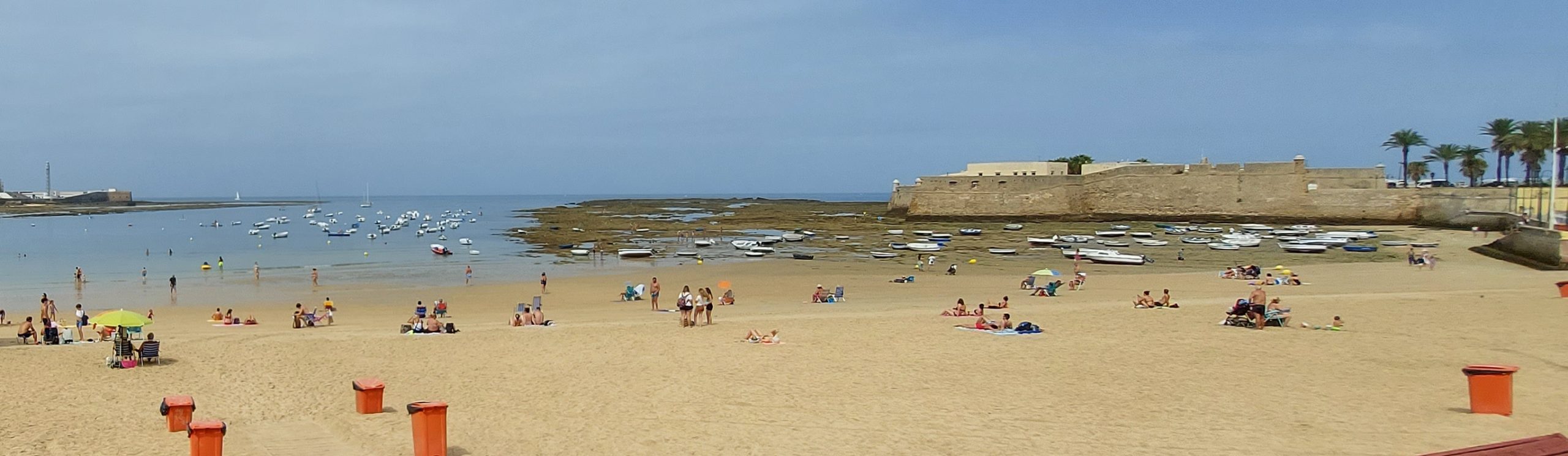
The Caleta Beach of Cádiz, as long as the weather is good, is the ideal place both to contemplate the sunset, to sunbathe, take a walk or share among friends.
Resources:
- https://es.wikipedia.org/wiki/Playa_de_La_Caleta_(C%C3%A1diz)
- https://www.tudestino.es/andalucia/provincia-de-cadiz/cadiz-capital/sugerencia/playas/playa-de-la-caleta/
- https://www.barcelo.com/guia-turismo/es/espana/cadiz/que-ver/playa-de-la-caleta/
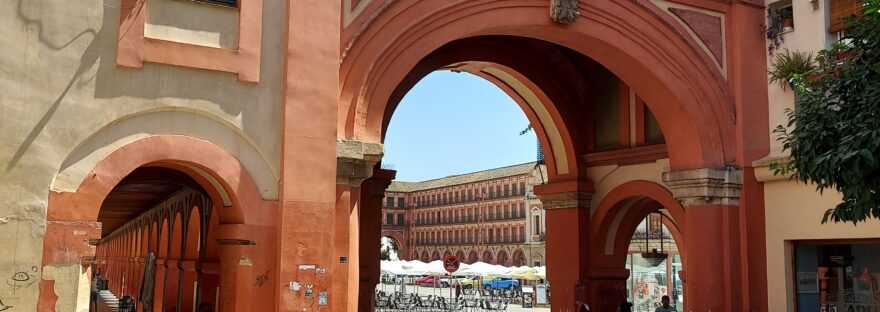
Córdoba y su Plaza de la Corredera
Al llegar a Córdoba y luego de dejar nuestro equipaje en el hotel, salimos de inmediato a recorrer la ciudad y claro, comernos algo. Fue la Plaza de la Corredera, uno de los lugares más emblemáticos de Córdoba, el sitio escogido para esa parada alimentaria. Seguir leyendo «Córdoba y su Plaza de la Corredera»