"Madrid", Blog English, Country, Spain

The Sabatini Gardens, Madrid

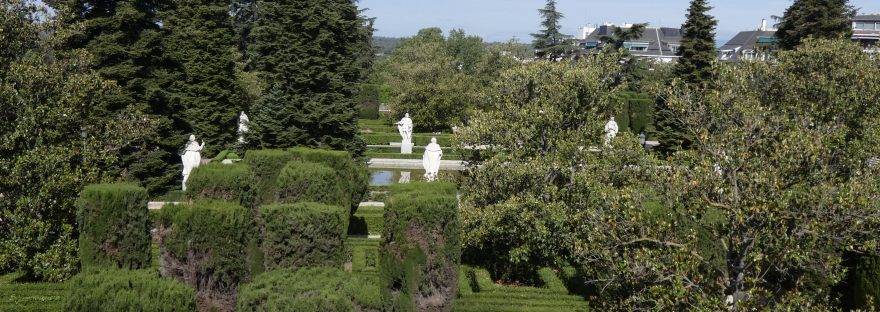
Occupying an area of just over two hectares, the Sabatini Gardens are located in front of the north facade of the Royal Palace of Madrid. It is a neoclassical garden in keeping with the palace. Although it can be contemplated splendidly from the railing on Bailén street, it is best to go down its monumental stairs, built in 1972, when the gardens were renovated, and enjoy it from below.
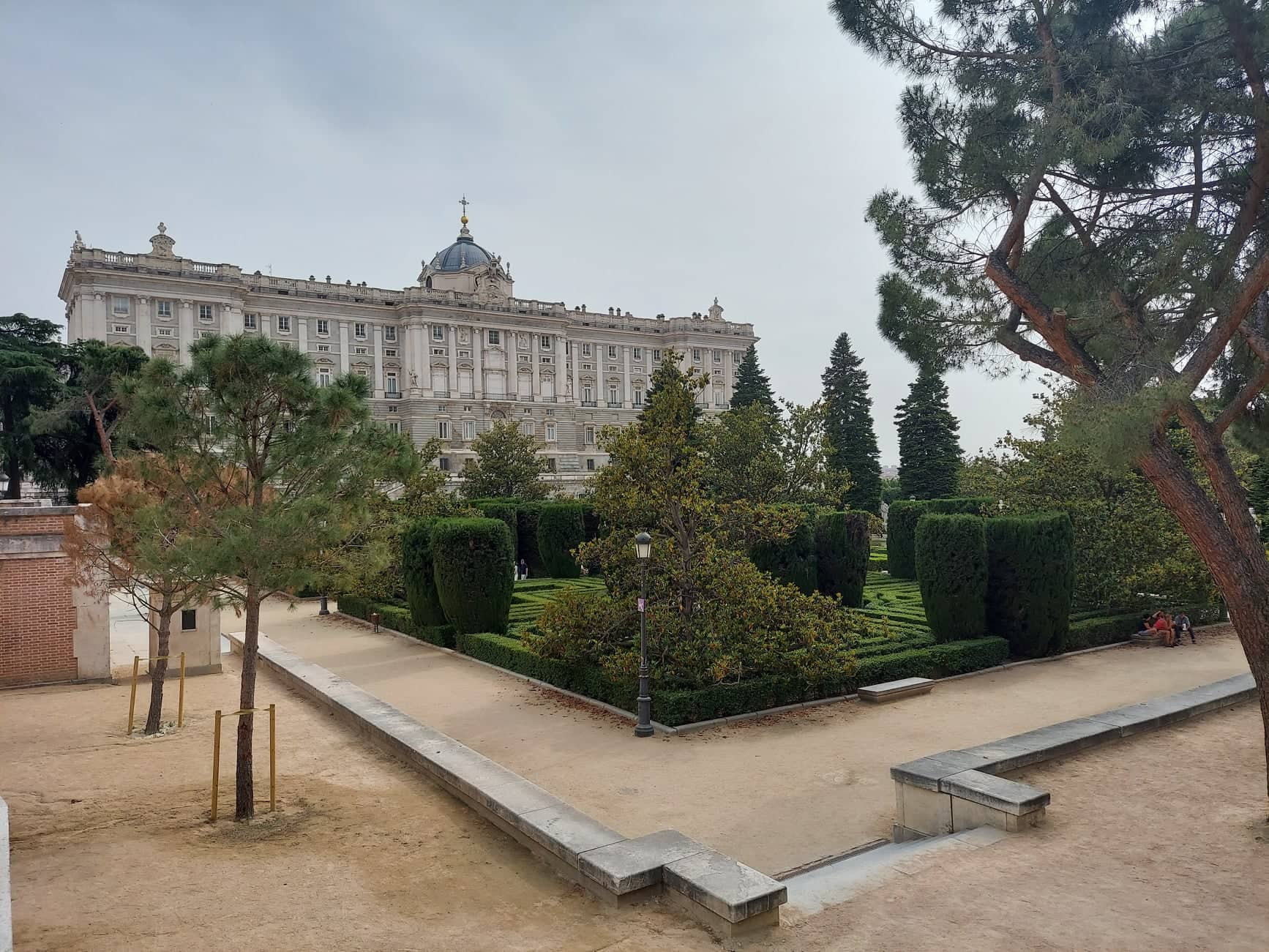
The space now occupied by the Sabatini Gardens was the site of the Royal Stables built in the 18th century by the Italian architect Francesco Sabatini next to the palace. The Madrid City Council, in order to build a public park, conducted a competition whereby the winner of the project was the architect Fernando García Mercadal from Zaragoza. In 1933, the demolition of the buildings of the stables began and the construction of the gardens began and finally completed in the late seventies. They opened to the public in 1978 by King Juan Carlos I.
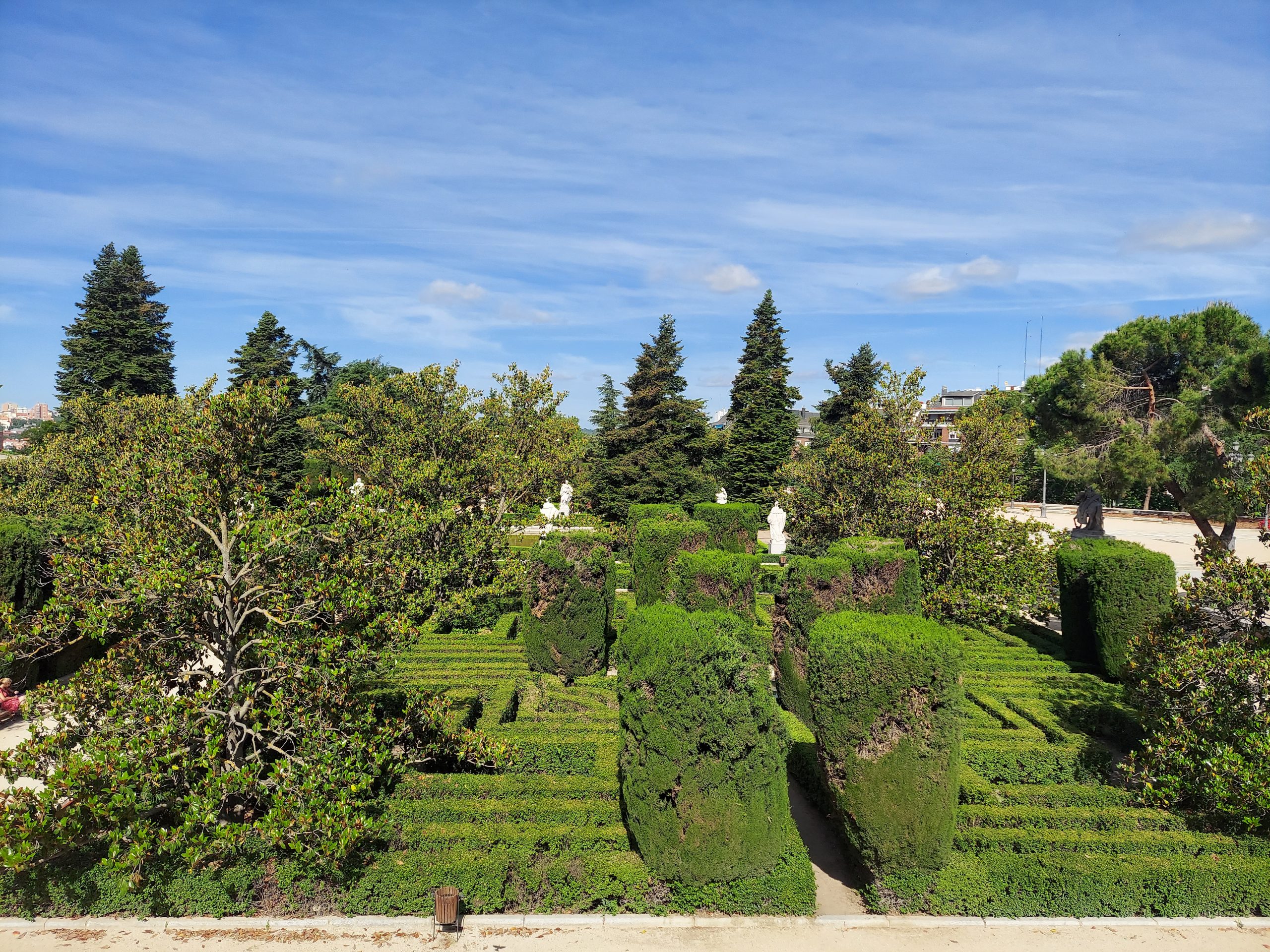
With its formal neoclassical style, there are well-pruned hedges, in symmetrical geometric patterns, with trees also arranged in a symmetrical geometric shape. The area is divided into three terraces or levels, each with its own charm. Strolling along its paths and confirming the perfection of all the symmetry displayed in these gardens, is enchanting.
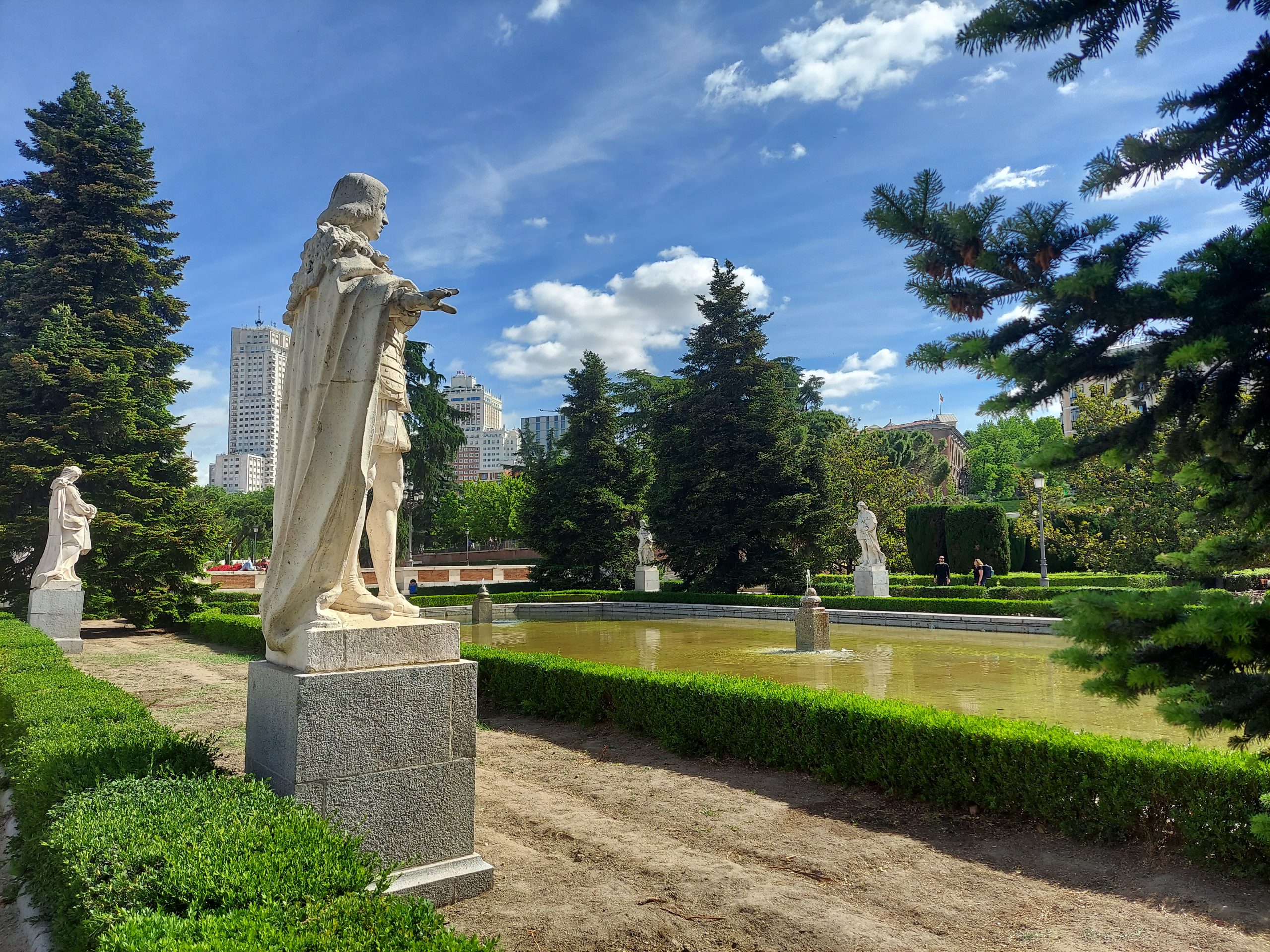
The Sabatini Gardens are adorned with a pond, statues and fountains. The statues represent ancient Spanish kings, which were not originally intended to adorn a garden. They are part of the collection of one hundred sculptures made during the construction of the Royal Palace. These statues have also been distributed in other areas, such as the cornice of the Palace itself, the Plaza de Oriente, the Retiro and the Capricho Parks.
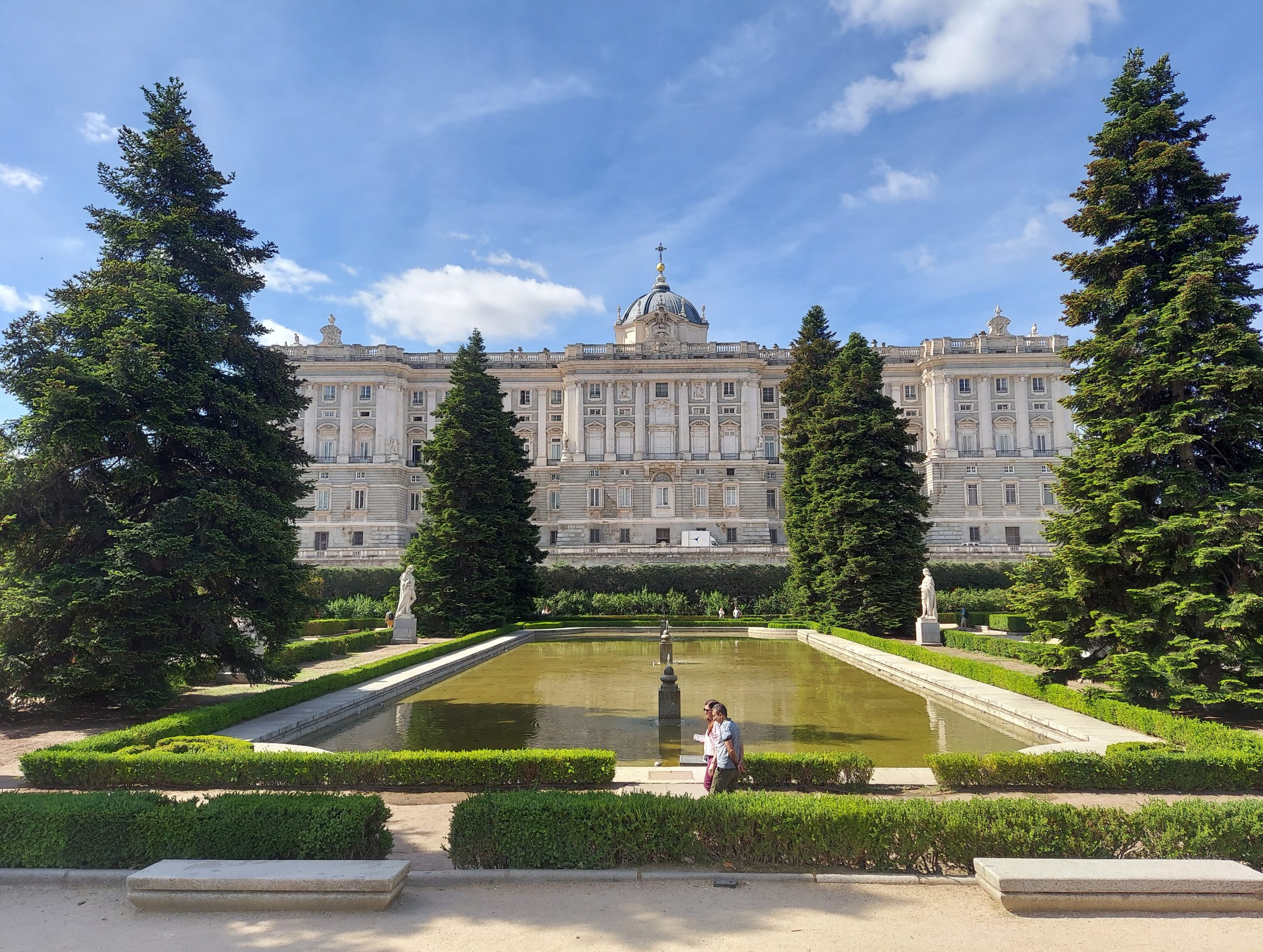
It is the pond that serves as a mirror of the north facade of the Royal Palace of Madrid, the axis of the whole. And precisely, it is the perfect spot to take a picture of this side of the Palace. Why not, a «selfie» too?
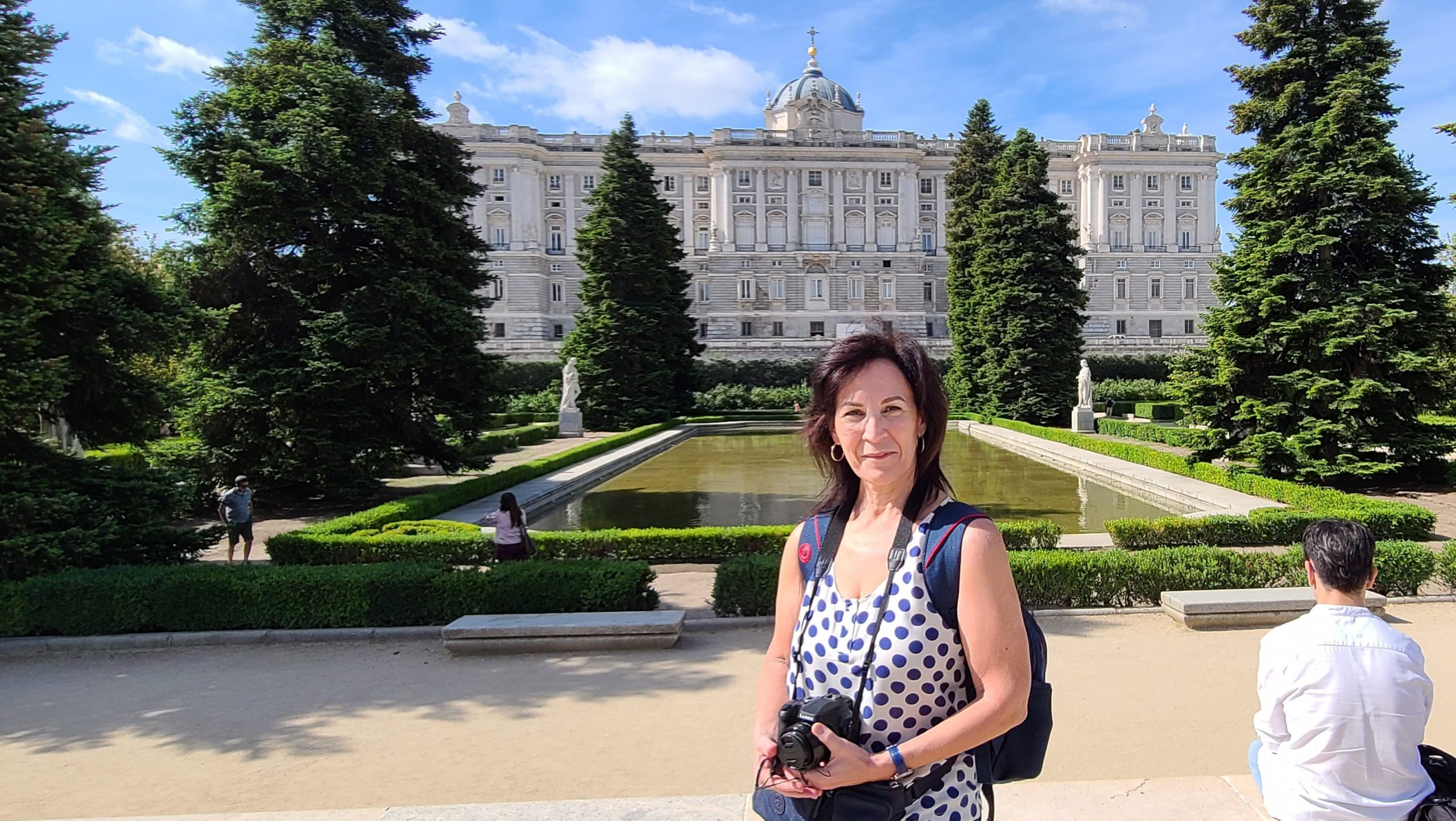
The best thing about this space, besides the fact that its entrance is free, is having the opportunity to sit on one of its benches and enjoy a good moment of tranquility and serenity. The vegetation, the beautiful views, the water and the art, all it in the midst of Madrid and worth visiting.
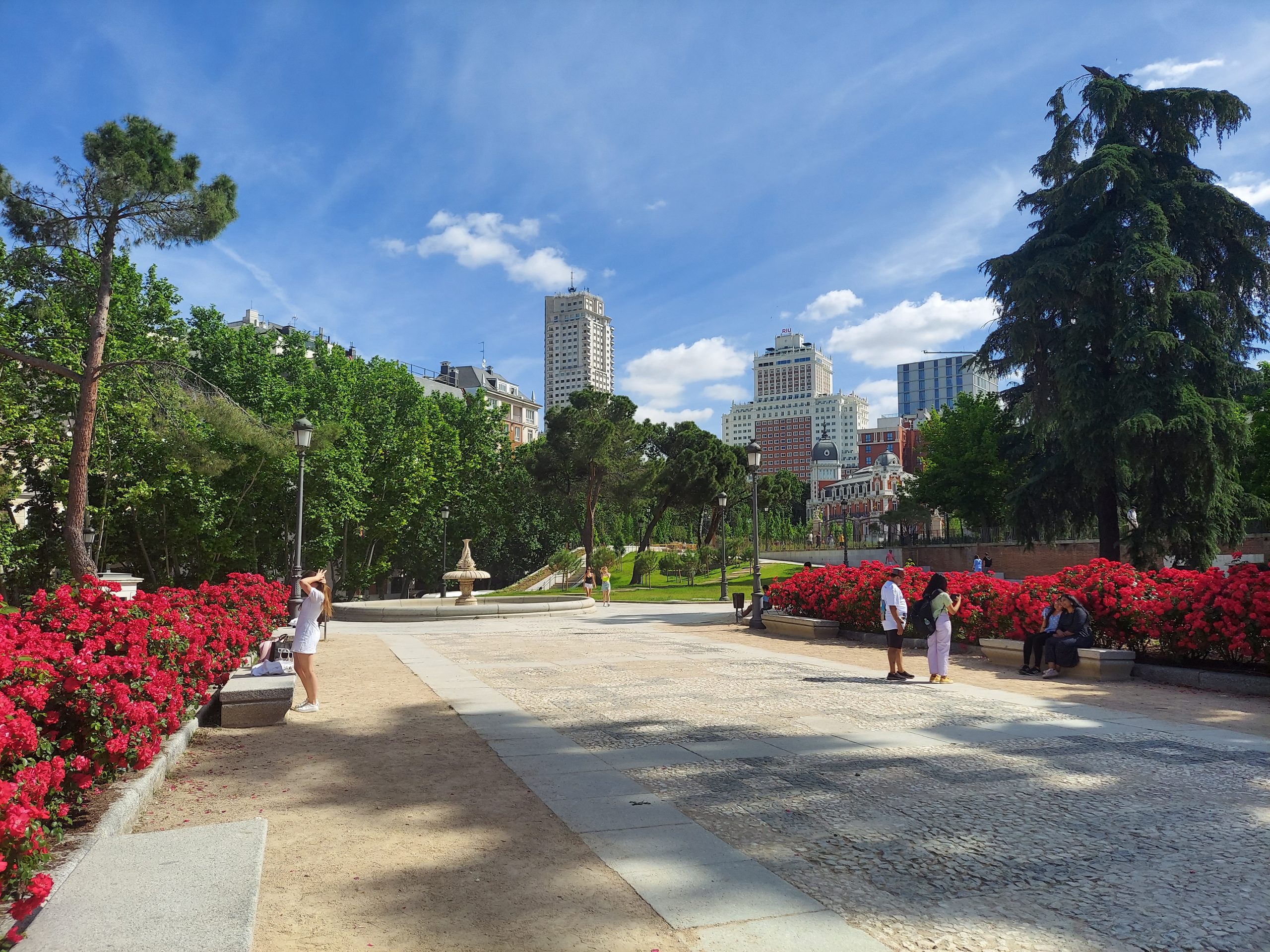
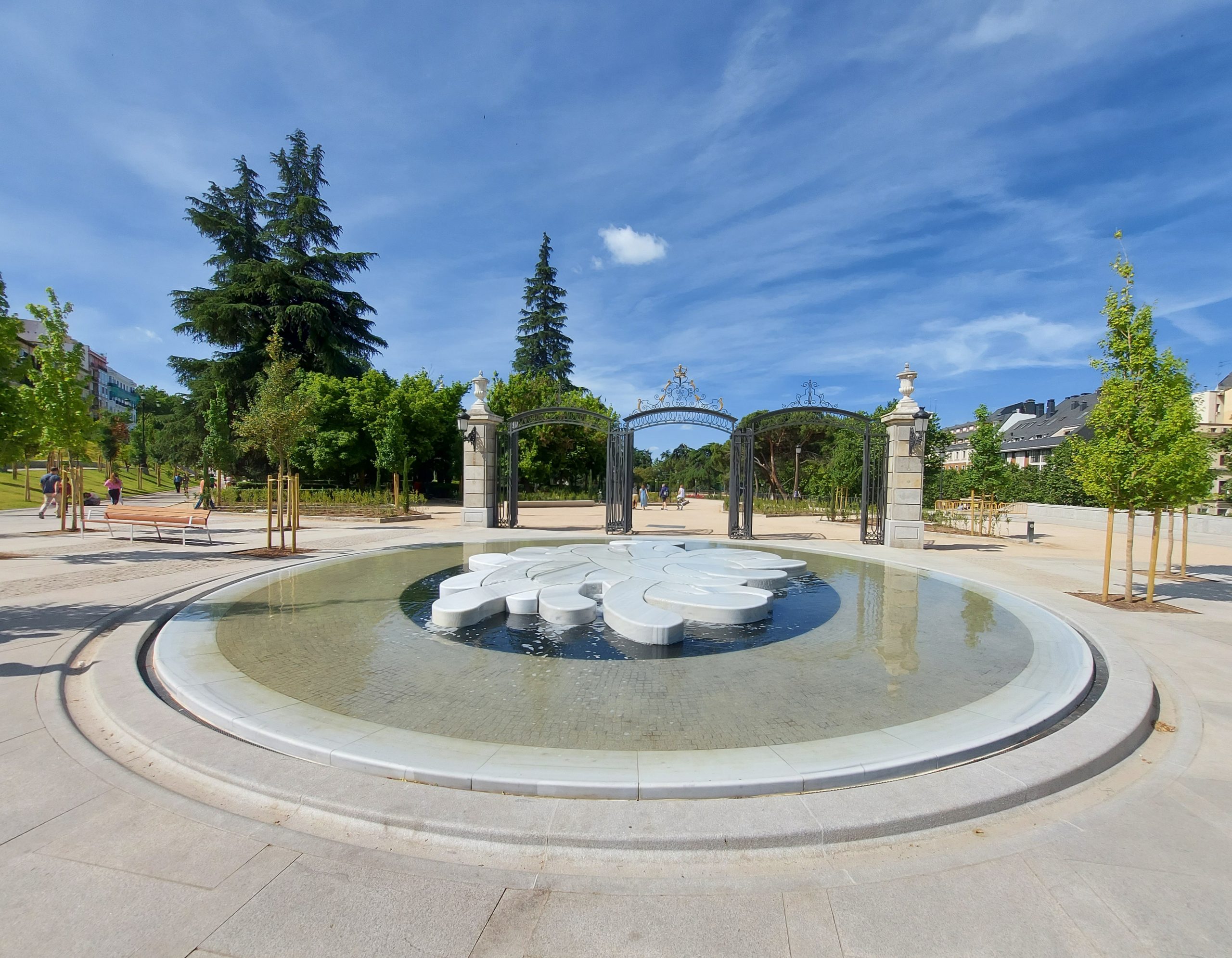
We had the opportunity to visit the Sabatini Gardens when its renovation had already been completed, at the end of May 2022. The transition that took us from the gardens to the Plaza de España was done very well.
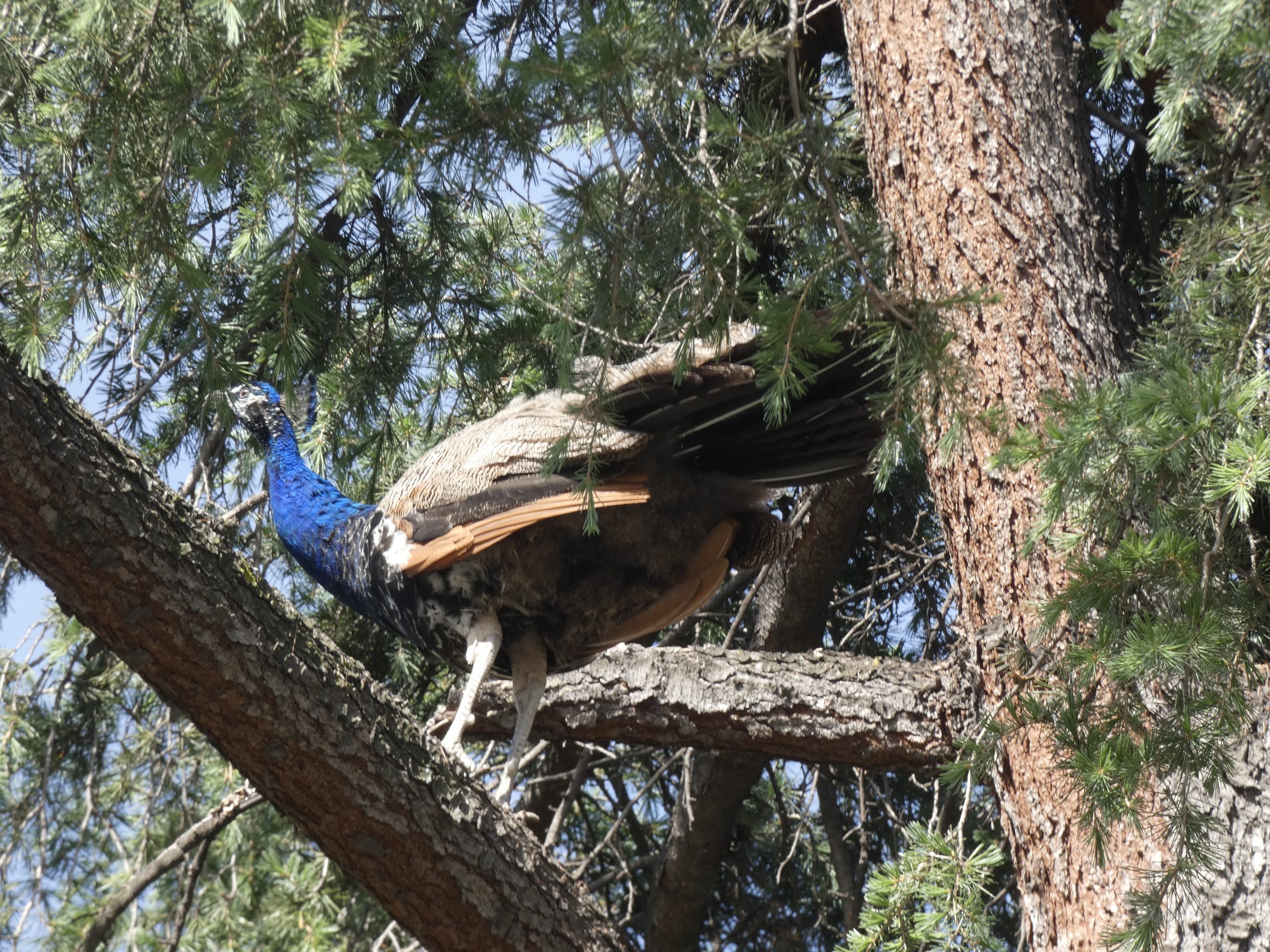
We don’t want to conclude without sharing a picture of the peacocks we spotted from Bailén Street, at the top of some trees. After a lifetime of seeing them on the ground, we found it very curious to see them in the trees and remembering that they are in fact, birds.

Resources:

https://www.esmadrid.com/informacion-turistica/jardines-de-sabatini
https://es.wikipedia.org/wiki/Jardines_de_Sabatini
https://www.miradormadrid.com/los-jardines-de-sabatini-2/
Blog, España, Málaga, Paises

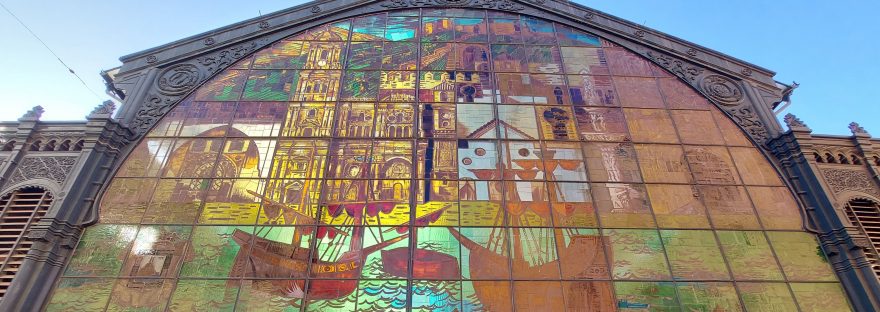
Mercado Central de las Ataranzanas de Málaga

Uno de los elementos que más llamó nuestra atención del Mercado Central de las Ataranzanas en Málaga es su entrada de la época nazarí. Se trata de un arco monumental, de herradura y apuntado. Los escudos de este arco permiten situarlo en la época del reinado de Mohamed V (1354-1391). Seguir leyendo «Mercado Central de las Ataranzanas de Málaga»

"Malaga", Blog English, Country, Spain

Central Market of the «Ataranzanas» in Malaga

One of the elements that most caught our attention in the Central Market of the Ataranzanas in Malaga is its entrance from the Nasrid period. It is a monumental arch, horseshoe-shaped and pointed. The coats of arms of this arch allow us to place it in the period of the reign of Mohamed V (1354-1391). Seguir leyendo «Central Market of the «Ataranzanas» in Malaga»

Alcalá de Henares, Blog, España, Paises

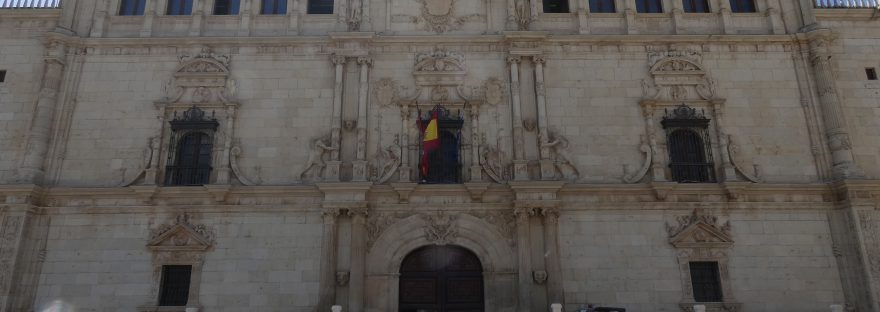
La Universidad de Alcalá de Henares

La historia de la Universidad de Alcalá de Henares se remonta a su fundación en el año 1499, y en el 1501 cuando el Cardenal Cisneros, colocó la primera piedra y fundó el Colegio Mayor de San Ildefonso de Alcalá de Henares como origen de la Universidad de Alcalá. La misión del Cardenal Cisneros, fue convertir el Colegio Mayor de San Ildefonso en un gran centro de excelencia académica durante los siglos XVI y XVII. De esta forma se concretaron los propósitos reformadores del Cardenal, mejorando la formación de los clérigos y hombres de Iglesia de la época y convirtiéndola en la primera universidad renacentista, humanista y universal. Seguir leyendo «La Universidad de Alcalá de Henares»

"Alcala de Henares", Blog English, Country, Spain

The University of Alcalá de Henares

The history of the University of Alcalá de Henares dates back to its foundation in 1499. In 1501 Cardinal Cisneros laid the first stone and founded the «Colegio Mayor de San Ildefonso de Alcalá de Henares»;  the origin of the University of Alcalá de Henares. Cardinal Cisneros’ mission was to convert the «Colegio Mayor de San Ildefonso» into a great center of academic excellence during the 16th and 17th centuries. In this manner, the reforming purposes of the Cardinal were achieved, improving the education of clergymen and churchmen of the time and turning it into the first Renaissance, humanist and universal university. Seguir leyendo «The University of Alcalá de Henares»

Blog, España, Málaga, Paises

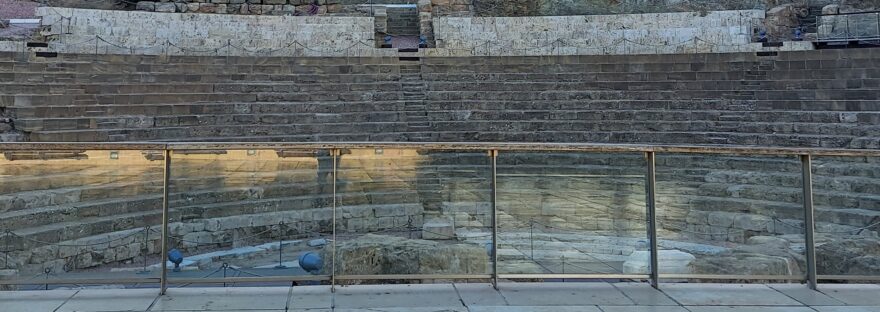
El Teatro Romano de Málaga

Situado en el centro histórico de la ciudad de Málaga, el Teatro Romano es lo primero que resalta al llegar a esta hermosa ciudad de Andalucía. Se trata de los restos arqueológicos de lo que sería la Malaca romana que se remontan a los siglos VII-VI a. C. con la configuración de la ciudad fenicia de Malaka y el principal vestigio conservado de la presencia romana en Málaga. Seguir leyendo «El Teatro Romano de Málaga»