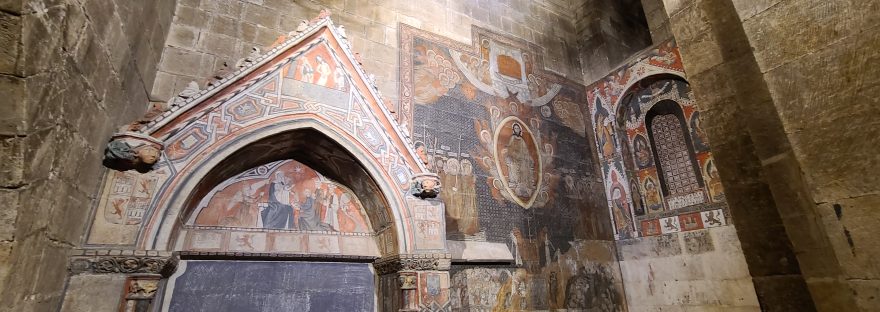
Six cities in Spain have two cathedrals and Salamanca is one of them. Some of these are built separately and others, as in the case of the cathedrals of Salamanca, may be united. The reality is that, for nearly four hundred years, the Old Cathedral and the New Cathedral have lived together as one. And, although they may appear to be a single structure, the truth is that each has its own separate history and so we will treat them as such. For obvious reasons, it is with the Old Cathedral of Salamanca that we begin the first part of this article. Seguir leyendo «Old Cathedral of Salamanca»
Autor: La Viajera y El Mochilero
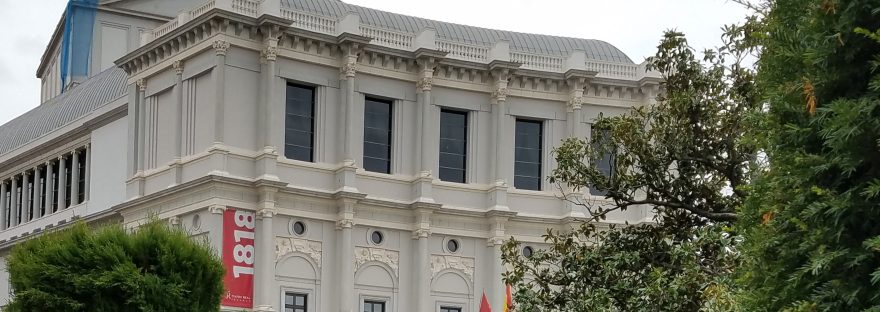
Royal Theater of Madrid
When making your way to take the Metro Opera Station in Madrid’s Isabel II Square, or strolling through the gardens of the Plaza of the Orient, there is one building that stands out very elegantly, it is the Royal Theater. It is the first institution for the performing arts in Spain, the National opera house and considered one of the main opera coliseums internationally. Its program ranges from its renowned opera productions, ballet, dance, flamenco, concerts, to entertainment and shows for the whole family. Seguir leyendo «Royal Theater of Madrid»
Teatro Real de Madrid
Cuando se va de camino a tomar el Metro Ópera en la Plaza de Isabel II de Madrid, o de paseo por los jardines de la Plaza de Oriente, hay un edificio que se destaca muy elegantemente, es el Teatro Real. Se trata de la primera institución de las artes escénicas de España, ópera nacional y uno de los coliseos operísticos principales a nivel internacional. Su programación incluye, desde sus reconocidas producciones operísticas, ballet, danza, flamenco, conciertos, hasta espectáculos para toda la familia. Seguir leyendo «Teatro Real de Madrid»
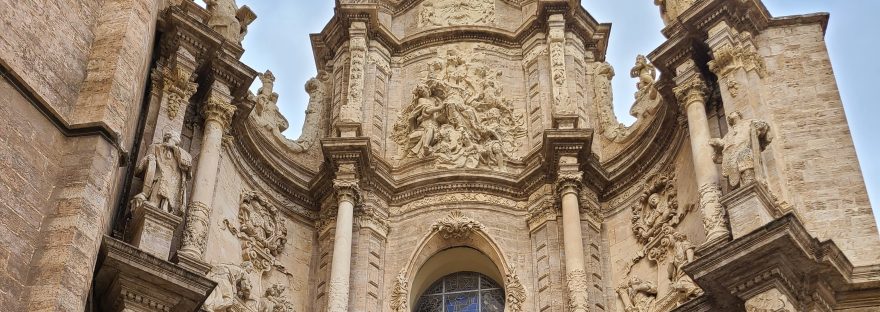
La Seu de Valencia
Su nombre formal es Iglesia Catedral Basílica Metropolitana de la Asunción de Nuestra Señora Santa María y en Valencia, España, se le conoce popularmente como la Seu. Desde la Plaza de la Virgen y al lado de otro templo valenciano importante, la Real Basílica de Nuestra Señora de los Santos Inocentes Mártires y Desamparados, se puede observar parte de la Seu o Catedral de Valencia. Está dedicada a la Asunción de María. Seguir leyendo «La Seu de Valencia»
«La Seu» of Valencia
Its official name is «Iglesia Catedral Basílica Metropolitana de la Asunción de Nuestra Señora Santa María» and in Valencia, Spain, it is popularly known as «La Seu». From the «Plaza de la Virgen» and next to another important Valencian temple, the Royal Basilica of Our Lady of the Holy Innocents Martyrs and Forsaken, you can see part of the Seu or Cathedral of Valencia. It is dedicated to the Assumption of Mary. Seguir leyendo ««La Seu» of Valencia»
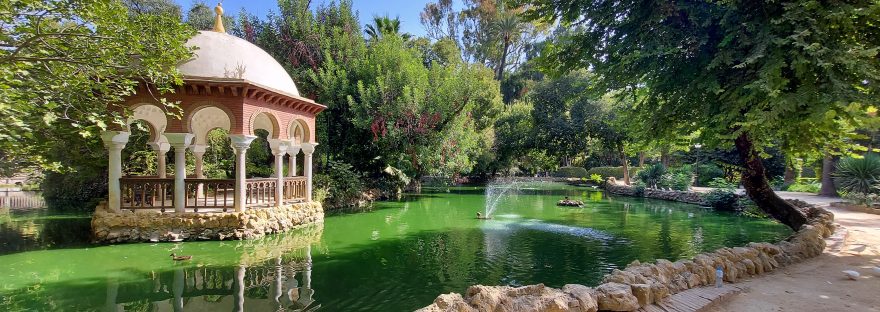
Parque de María Luisa, Sevilla
El primer parque urbano de Sevilla es el Parque de la Infanta María Luisa Fernanda, mejor conocido como el Parque de María Luisa. Es un área maravillosa, donde se respira tranquilidad y calma en una extensión de 34 hectáreas. Se le declaró en 1983 como Bien de Interés Cultural en la categoría de Jardín Histórico. Seguir leyendo «Parque de María Luisa, Sevilla»
Maria Luisa Park, Seville
The first urban park of Seville is the Infanta Maria Luisa Fernanda Park, better known as Maria Luisa Park. It is a wonderful area, where tranquility and calmness are breathed in an extension of 34 hectares. It was declared in 1983 as an Asset of Cultural Interest in the category of Historical Garden. Seguir leyendo «Maria Luisa Park, Seville»
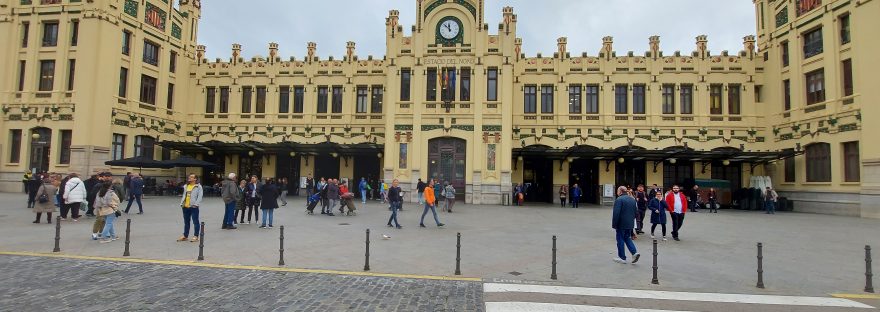
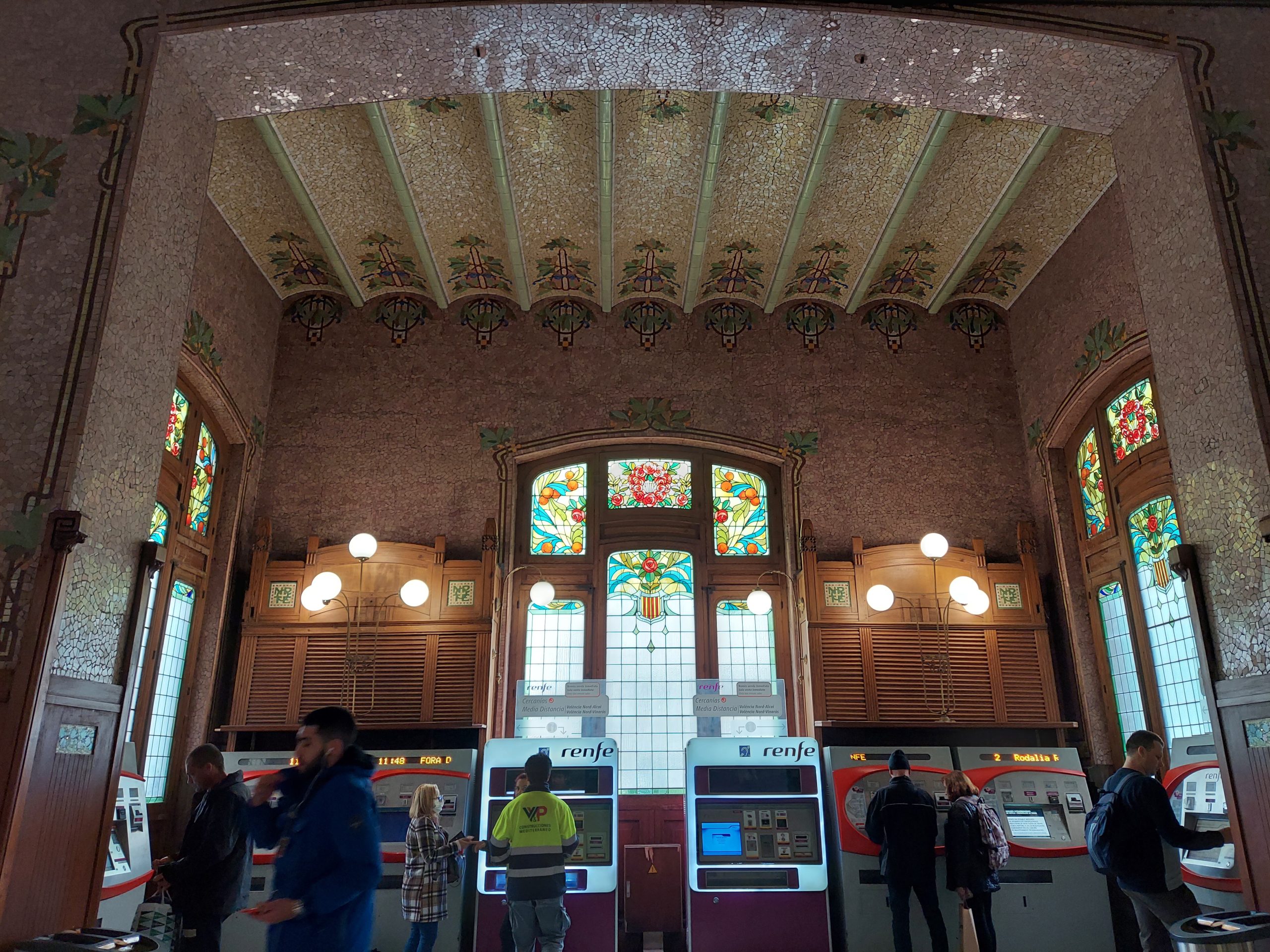
La Estación del Norte de Valencia

Al llegar desde Madrid a Valencia, hay que destacar lo bonita y monumental que es la estación principal ferroviaria de esa ciudad española, la Estación del Norte, o Estació del Nord en valenciano. Su construcción comenzó en 1907, concluyendo en 1917 cuando fue inaugurada. Está situada en el centro de la ciudad junto a la Plaza de Toros y muy cerca del Ayuntamiento. Dispone de conexiones con varias líneas del metro de la ciudad y con la red de autobuses urbanos. Seguir leyendo «La Estación del Norte de Valencia»
Valencia Nord Station

Arriving at Valencia, it is worth noting how beautiful and monumental is the main railway station of this Spanish city, the «Estación del Norte» or «Estació del Nord» in Valencian. Its construction began in 1907, concluding in 1917 when it was inaugurated. It is located in the center of the city next to the «Plaza de Toros» and very close to the City Hall. It connects with several city subway lines and the urban bus network. Seguir leyendo «Valencia Nord Station»
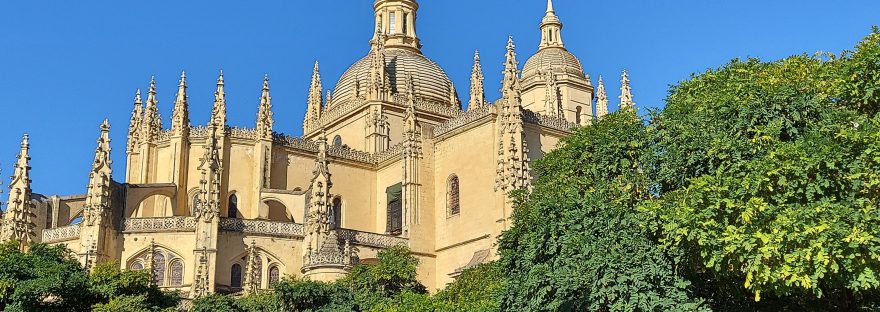
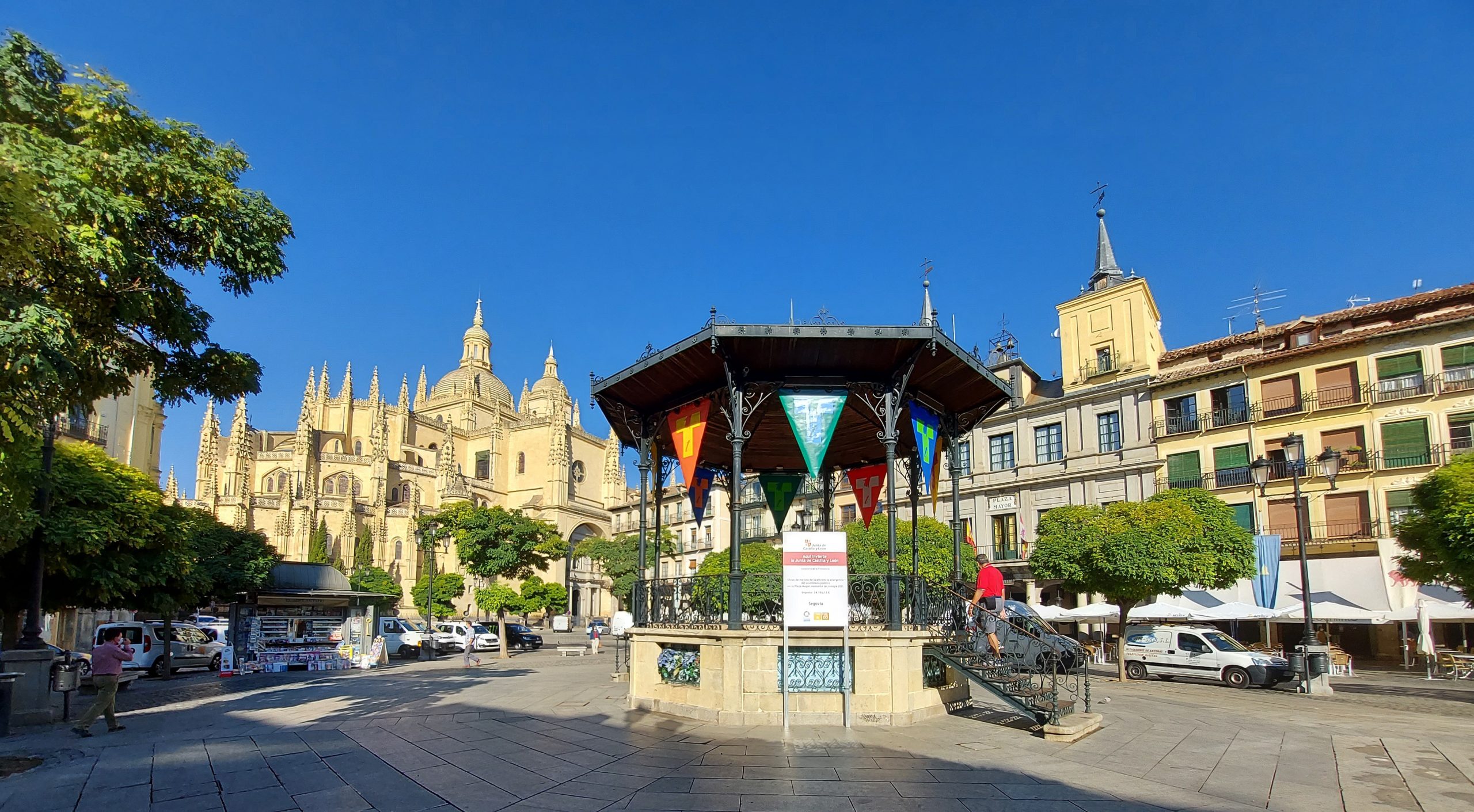
The Cathedral of Segovia

Arriving at the Plaza Mayor of Segovia, known since the late nineteenth century, as the Plaza de la Constitución, you can see the apse of what is considered in Spain, both for its size and its elegance, as the «Lady of the Cathedrals». The Santa Iglesia Catedral de Nuestra Señora de la Asunción y de San Frutos, better known as the Cathedral of Segovia, was built between the XVI and XVIII centuries, in Gothic style with some Renaissance features. That is why it is considered in Spain and Europe, as one of the cathedrals where the Gothic style was used late, when the Renaissance architecture was already spreading in most of Europe. Seguir leyendo «The Cathedral of Segovia»