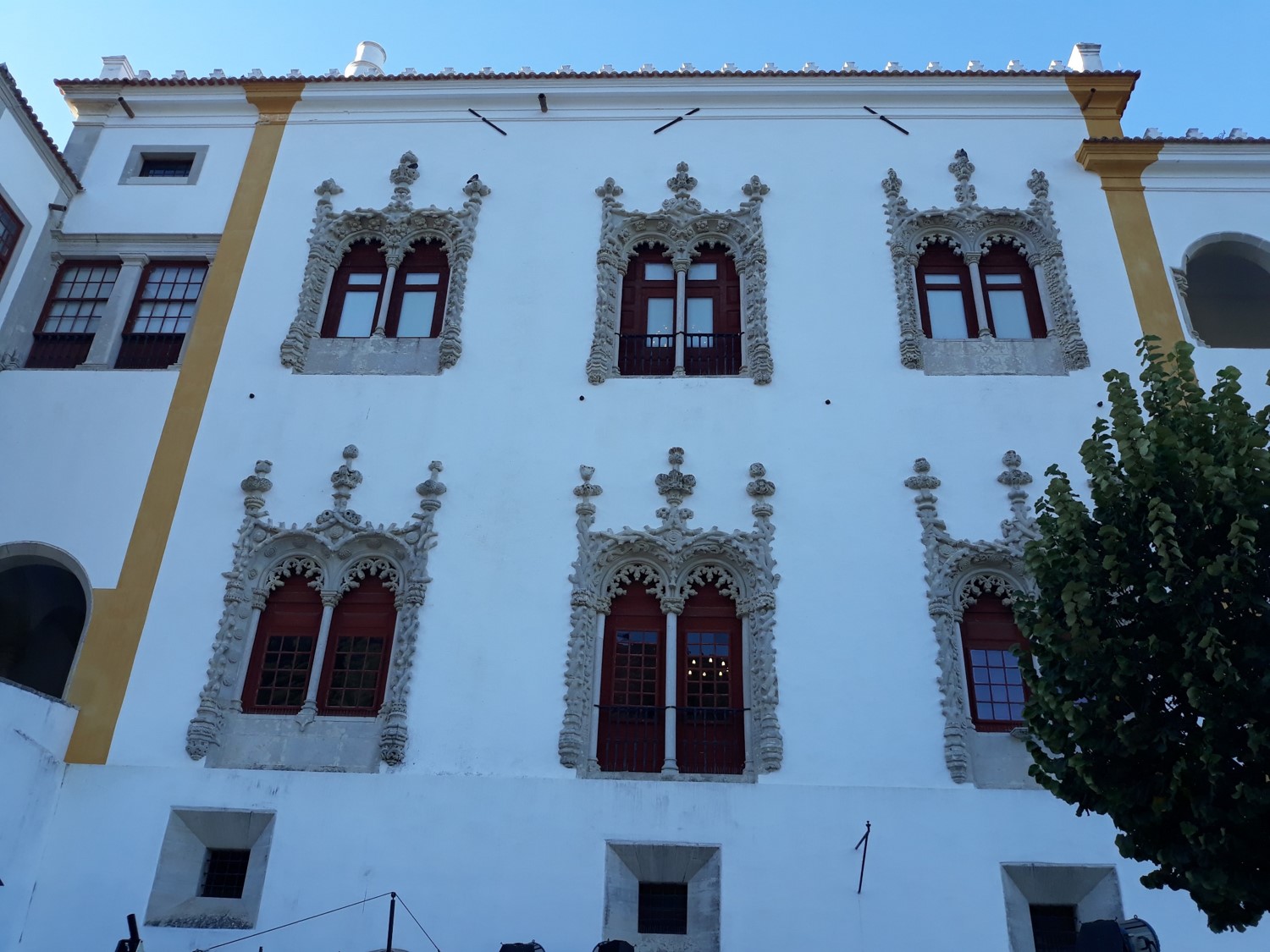
 In the São Martinho Ward rises the «Palácio da Vila» better known as the National Palace of Sintra, Portugal. It was originally an urban palace of the sixteenth century and today has become one of the most iconic buildings of Sintra.
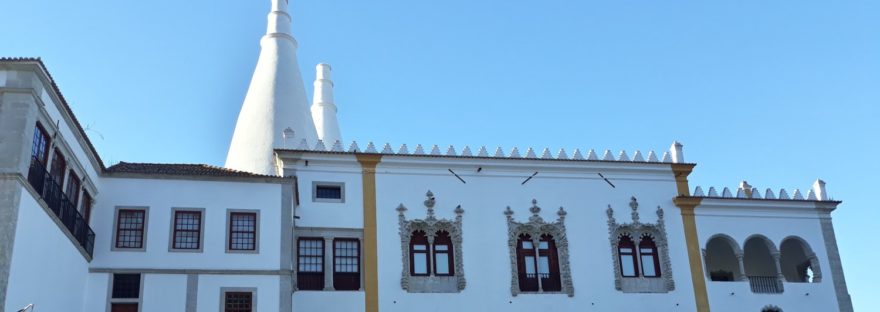
In the São Martinho Ward rises the «Palácio da Vila» better known as the National Palace of Sintra, Portugal. It was originally an urban palace of the sixteenth century and today has become one of the most iconic buildings of Sintra.
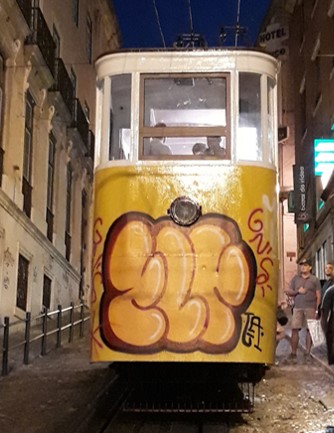 The historical center of Lisbon has a very interesting and sometimes challenging topography. There are seven hills, with one of them in the center, with a gentle slope towards the Tagus River. If we imagine it in an aerial view, that central strip is the flattest, as if it were a river that makes its way among the other hills. It is the Baixa neighborhood and although the hills that surround it are very steep, it did not stop the urban expansion on the slopes.
El casco histórico de Lisboa consta de una topografía muy interesante y en ocasiones, retante. Aquí se encuentran siete colinas, con una de ellas en el centro, de pendiente suave hasta llegar al río Tajo. Si la imaginamos en una vista aérea, es esa franja central la más llana, como si fuera un río que se abre paso entre las demás Colinas. Se trata del barrio el Baixa y aunque las colinas que la rodean son muy empinadas, no detuvo la expansión urbanística por las laderas.
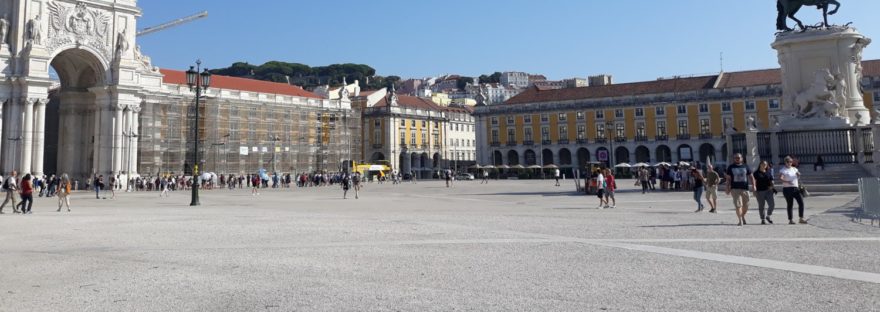
The earthquake of 1755 caused a great deal of damage in Lisbon, Portugal, and the «Baixa» neighborhood was completely destroyed. Much of the damage was caused by a tsunami that surged with the earthquake. Thanks to the reconstruction plans promoted by the Marquis of Pombal, the «Baixa» would be transformed and revitalized. Seguir leyendo «Praça do Comércio – Lisbon, Portugal»
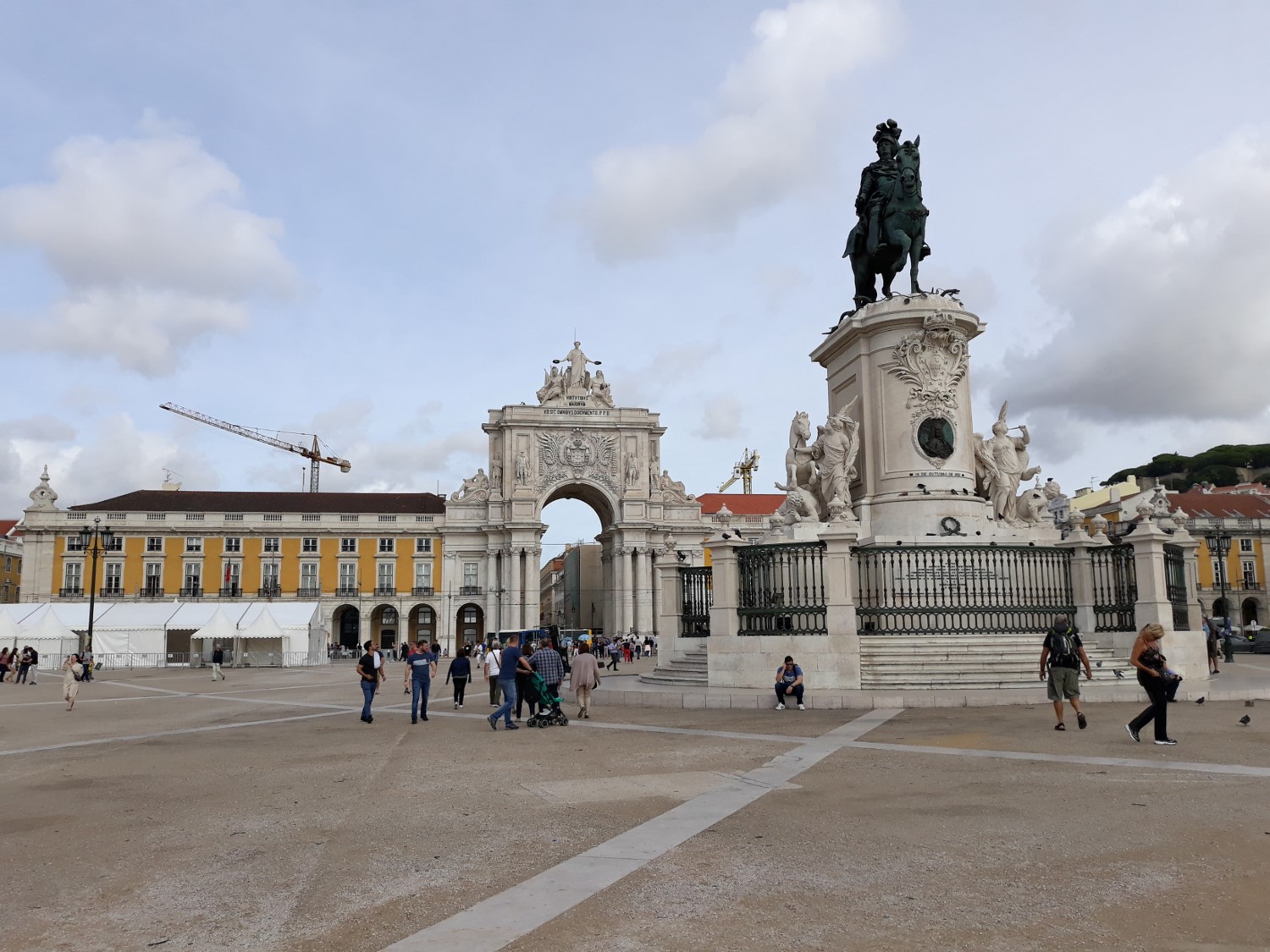 El terremoto de 1755 causó muchísimos estragos en Lisboa, Portugal, quedando totalmente destruido el barrio de Baixa. Gran parte de los daños fueron a consecuencia del tsunami que surgió con el terremoto. Gracias a los planes de reconstrucción promovidos por el Marqués de Pombal, el Baixa sería tranformado y revitalizado. Seguir leyendo «Praça do Comércio – Lisboa, Portugal»
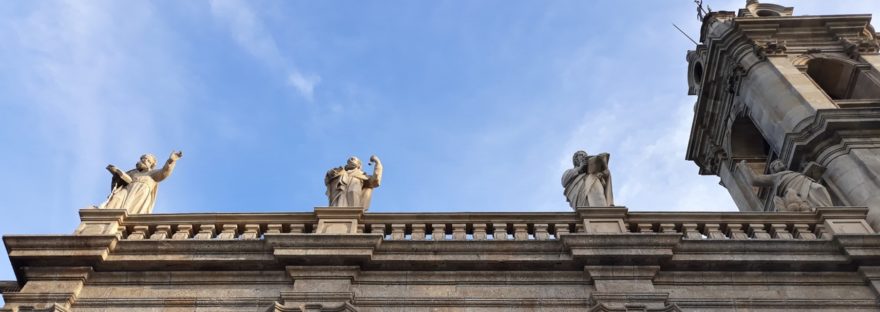
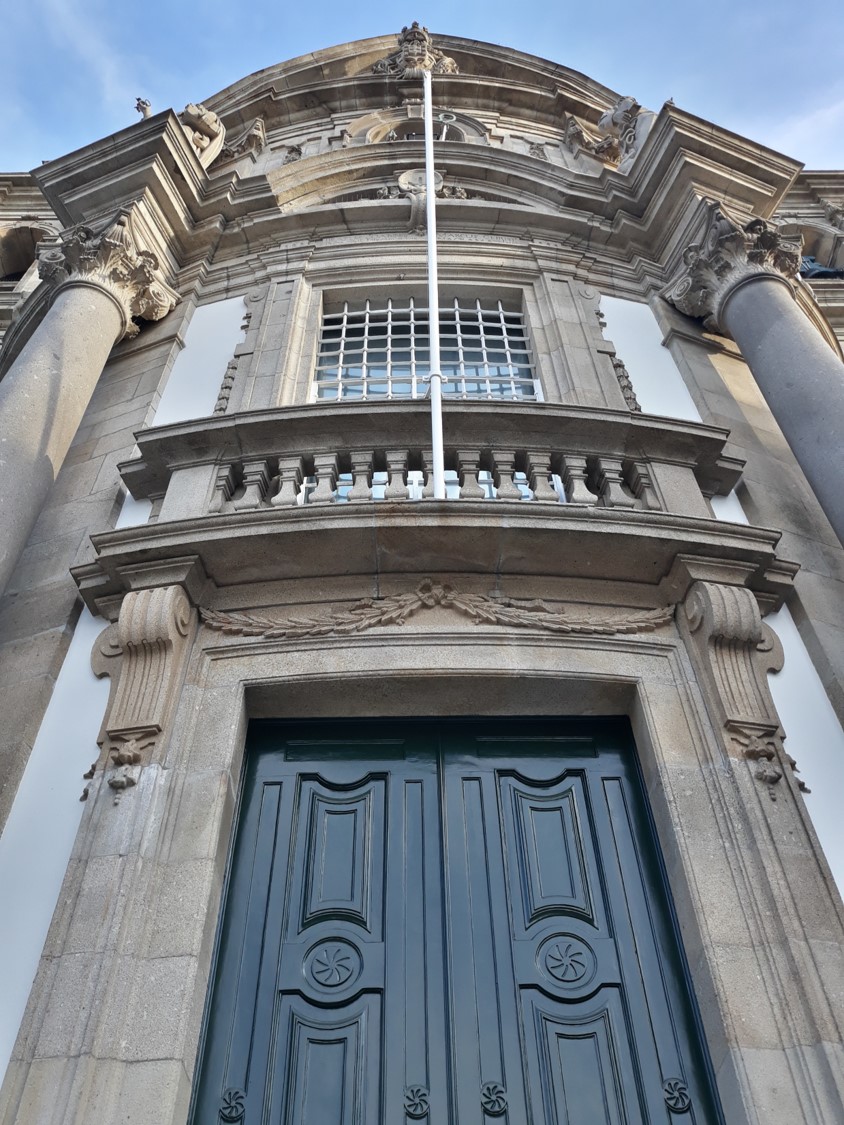 The Igreja de São Marcos in Braga, Portugal, really is a set called the Hospital and the Church of San Marcos. The same was an architectural project by Carlos Amarante and is from the 18th Century. Prior to the construction of this complex, there was a hostel and convent of the Order of the Templars, built on an old hermitage in honor of the saint.
La Igreja de São Marcos en Braga, Portugal, realmente es un conjunto denominado como el Hospital y de la Iglesia de San Marcos. El mismo fue un proyecto arquitectónico de Carlos Amarante y es del Siglo XVIII. Previo a la construcción de este complejo, se encontraba un albergue y convento de la Orden de los Templarios, construidos sobre una antigua ermita en honor al santo.
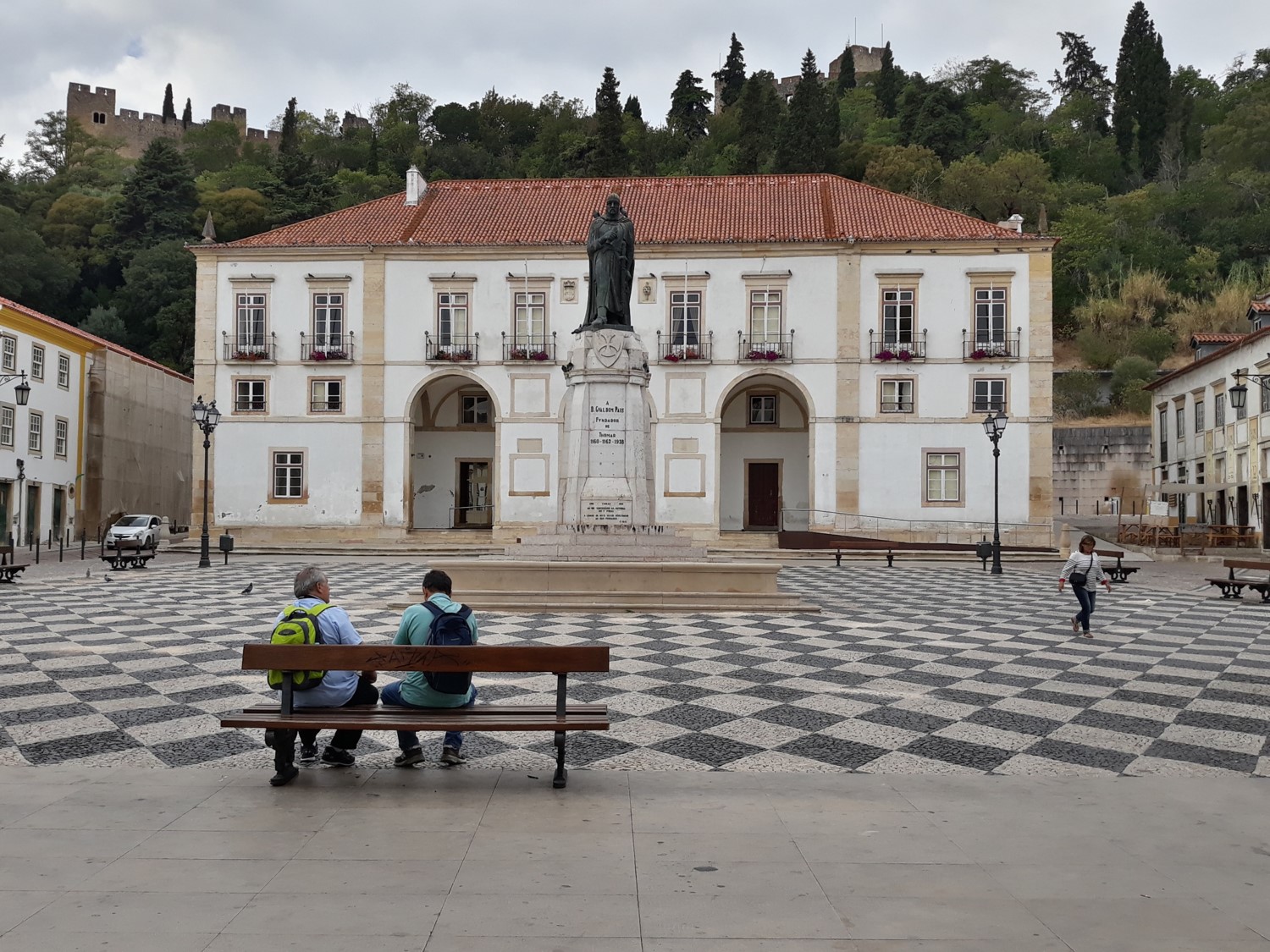 «Praça da República» or the Plaza of the Republic in Thomar, Portugal, is the main square of the city of the Knights Templar. The floor of the square is decorated with a mosaic in the shape of black and white diamonds.
La Praça da República en Tomar, Portugal, es la plaza principal de la ciudad de los Templarios. El piso de la plaza es adornada con un mosaico en forma de diamantes negro y blanco.
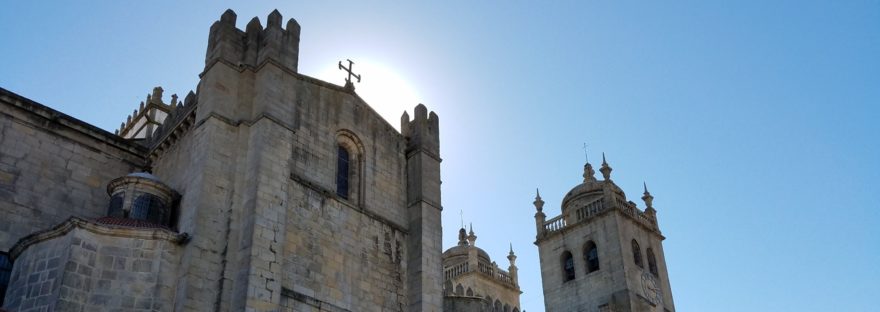
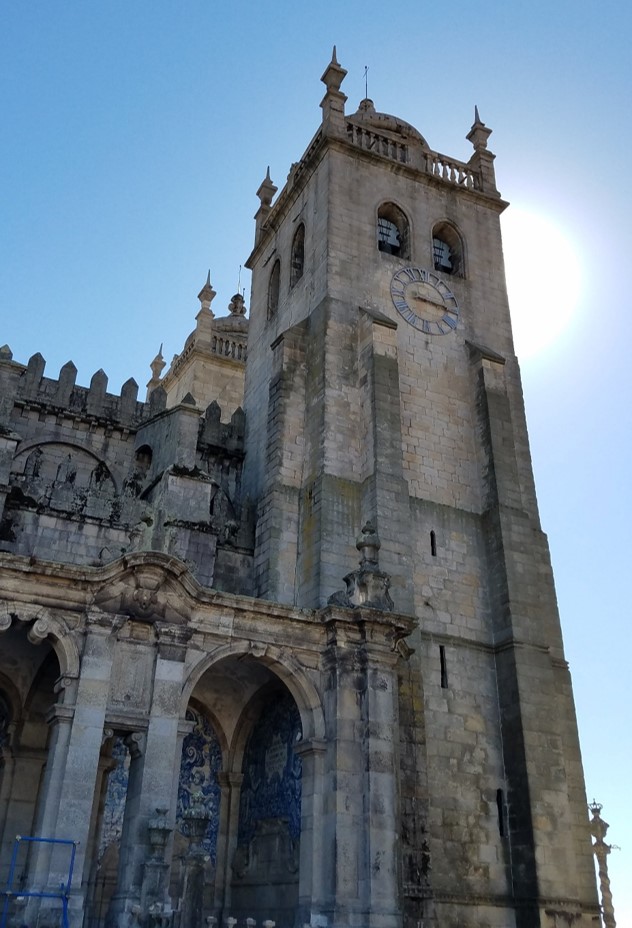 Founded during the 12th century, the «Sé do Porto» (the Cathedral) in Portugal, is located on the highest point of the city, a perfect place to contemplate the Douro River, the Vila Nova de Gaia and the city of Porto. This cathedral is known by several names, all in honor of the Marian cult; Church of «Santa Maria do Porto», «Nossa Senhora do Porto da Eterna Salvação» and «Nossa Senhora da Vandoma».