Along the western slopes of the Sabine hills and approximately 20 miles from Rome, we find the city of Tivoli. It is believed that the city was originally founded as Tibur and its history dates back to the 13th century B. C.
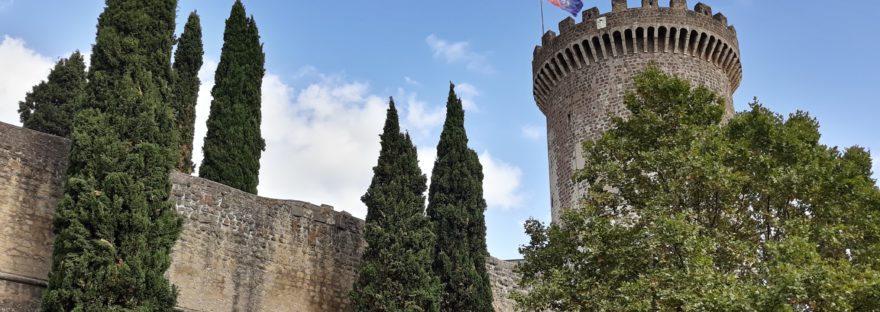
Along the western slopes of the Sabine hills and approximately 20 miles from Rome, we find the city of Tivoli. It is believed that the city was originally founded as Tibur and its history dates back to the 13th century B. C.
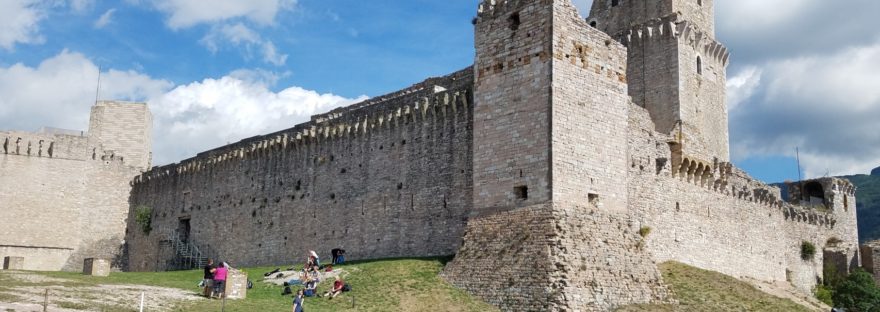
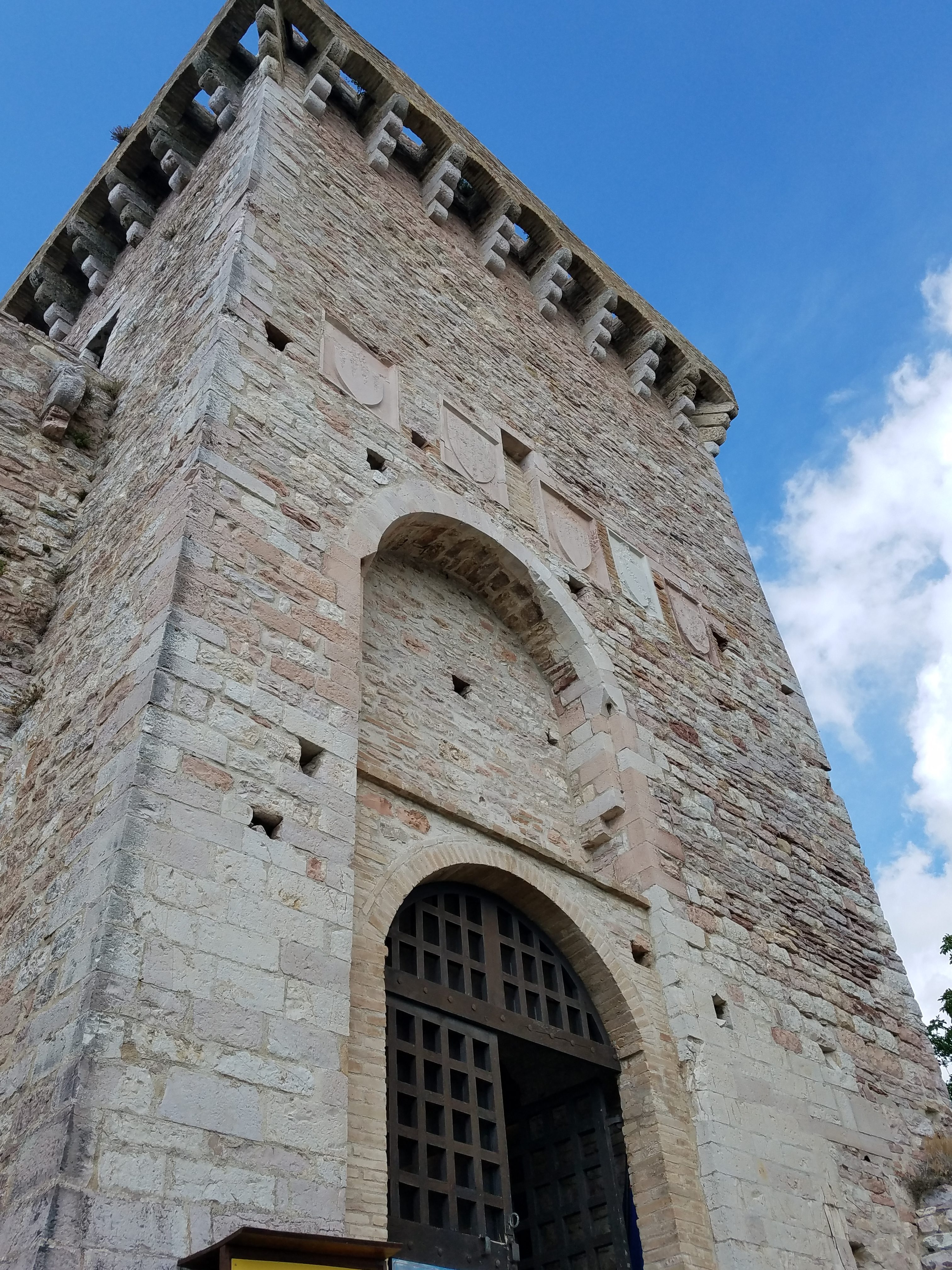 En 1173, Assisi (Asís) fue ocupada por los alemanes. Es cuando se construye un castillo sobre esta ciudad italiana, en las laderas del monte Subasio de la cordillera de los Apeninos, que sirviera de fuerte para proteger al futuro emperador. Este castillo se conoce como Rocca Maggiore. El heredero y futuro emperador romano, Fredrik II, era apenas un infante cuando en una revuelta civil del pueblo de Assisi, en 1198, su séquito abandona el castillo llevándose al niño. Tras esta revuelta, la Rocca Maggiore sufrió daños considerables. Seguir leyendo «La Rocca Maggiore – Assisi»
In 1173, Assisi was occupied by the Germans. It is then that a castle is built above this Italian city, on the slopes of Mount «Subasio» of the «Apennine» mountain range. It would serve as a fort to protect a future emperor. This castle is known as «Rocca Maggiore» (The Rock). The heir and future Roman emperor, Fredrik II, was just an infant when during a civil revolt of the town of Assisi in 1198, his entourage left the castle taking the child. During this revolt, the «Rocca Maggiore» suffered considerable damage. Seguir leyendo «The «Rocca Maggiore» – Assisi»
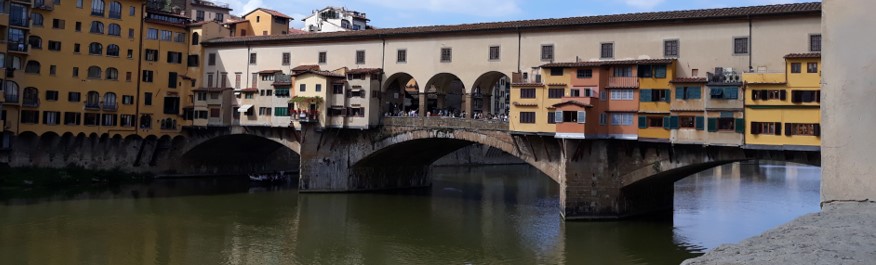
For those who are not familiar with the Italian language, «Ponte Vecchio» is not an exotic name for a bridge. In «Firenze» or Florence, it refers simply to the Old Bridge. A symbol of Florence, a city that the Romans called Fiorentina in its founding and which in Latin means flowering / flower in bloom.
Para aquellos que no están familiarizados con el idioma italiano, «el Ponte Vecchio» no es un nombre exótico para un puente. En «Firenze» (Florencia), simplemente es, el Puente Viejo. Un símbolo de Firenze, ciudad a la cual los romanos denominaron Fiorentina en su fundación y que en latín significa florecimiento. Seguir leyendo «El puente viejo de Firenze»
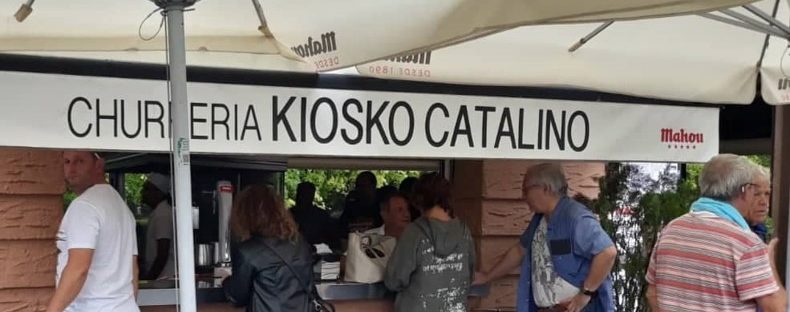
Before recently visiting the city of Toledo (Spain), some of the members of the Legends of Toledo group suggested we go to the Paseo de La Vega to savor what they consider the best «churros» in Toledo. So we arived mid-morning, at the «Kiosko Catalino Churrería», located within the park area in front of Cardenal Tavera street and from where we enjoy a spectacular view of the Bisagra Gate. Seguir leyendo «The «churros» of Paseo de La Vega»
Antes de visitar recientemente la ciudad de Toledo en España, algunos de los miembros del grupo Leyendas de Toledo, nos sugirieron caminar hasta el Paseo de La Vega para saborear lo que ellos consideran los mejores churros de Toledo. Así terminamos a media mañana, en la Churrería Kiosko Catalino, ubicada dentro del área del parque frente a la calle Cardenal Tavera y desde donde disfrutamos una vista espectacular de la Puerta de Bisagra. Seguir leyendo «Los «churros» del Paseo de La Vega de Toledo»
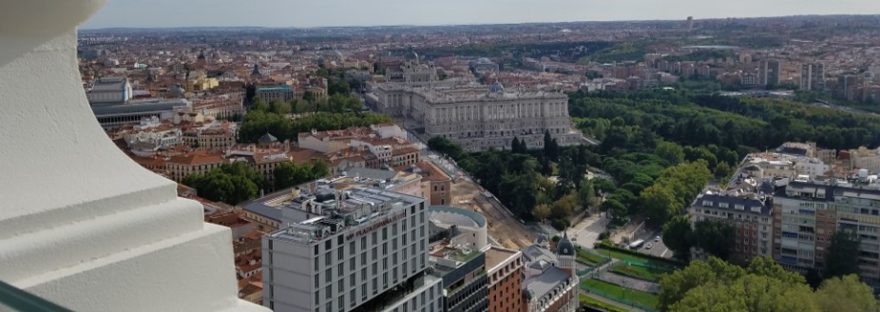
Desde el comienzo de los tiempos, los constantes conflictos entre los habitantes obligaron al desarrollo de medidas de protección, sobretodo a medida que se unían para formar comunidades. Esto condujo a la construcción de fortalezas y pueblos o ciudades cerradas. Por ende, son las puertas que conducen dentro y fuera de la ciudad, el elemento arquitectónico de mayor protagonismo en este tipo de fortalezas. Seguir leyendo «Las puertas de Toledo y San Vicente – Madrid»
Since the beginning of time, the constant conflicts among human beings forced the development of protection measures, especially as they joined together to form communities. This led to the construction of fortresses and enclosed towns or cities. Therefore, only gates lead in and out of the city, the architectural element of greater prominence in this type of fortresses.
Seguir leyendo «The gates of Toledo and San Vicente – Madrid»
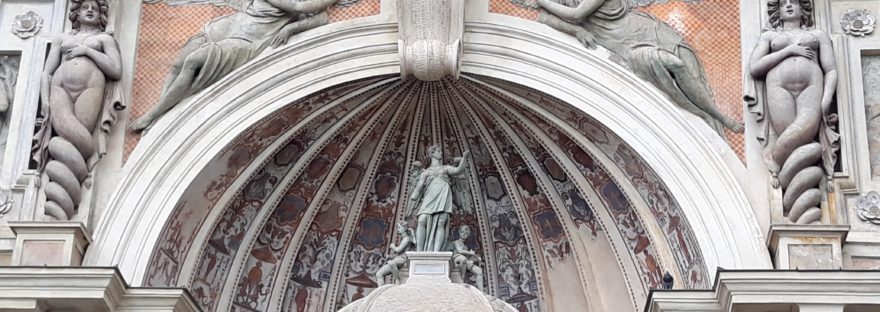
The Villa d’Este in Tivoli, Italy, highlights the use of the element of water as its unifying theme, evidenced by the wide variety of fountains that one can find strolling through its gardens.