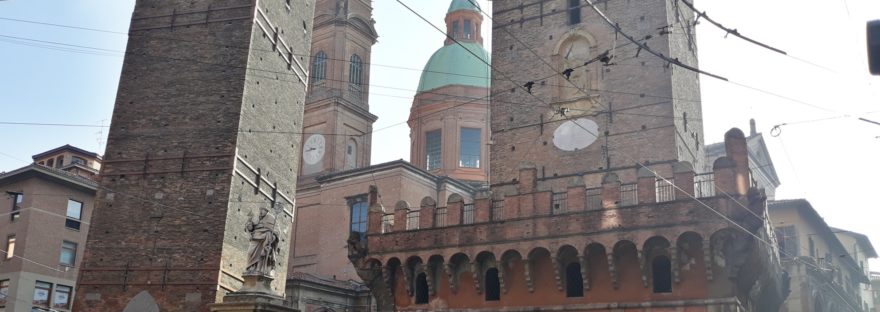
Una vez que partimos de Venezia, la ciudad de Bologna se convirtió en la opción obvia para otra parada en nuestra aventura por Italia. Bologna es la capital de la región de Emilia – Romaña en el norte de Italia. También es un importante centro de transporte, en particular su estación central, que sirve como cruce para todos los sistemas principales de trenes de Italia. Seguir leyendo «Las dos Torres: «Garisenda y degli Asinelli» – Bologna»
Autor: La Viajera y El Mochilero
La Catedral flotante de Italia
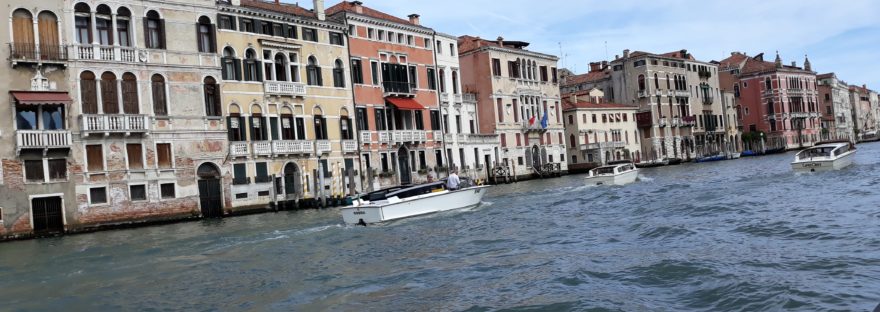
En el noreste de Italia se encuentran 118 islas en el mar Adriático, que agrupadas se conocen como Venezia, la «Ciudad Flotante». Como es de esperar, Venezia tiene su propia “catedral flotante», nos referimos a la hermosa Basílica de San Marcos. Seguir leyendo «La Catedral flotante de Italia»
The floating cathedral of Italy
In northeastern Italy there are 118 islands in the Adriatic Sea, which together are known as Venice, the «Floating City». As expected, Venice has its own «floating cathedral», we are referring to the beautiful St. Mark’s Basilica. Seguir leyendo «The floating cathedral of Italy»
The Plaza of the Villa – Madrid
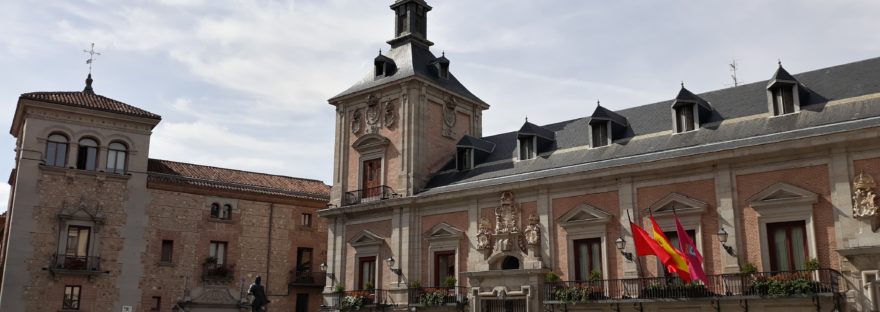
Initially known as the Plaza Saint Salvador, the Plaza of the Villa was one of the main medieval centers of the Villa of Madrid. King Henry IV of Castile granted the title of «Noble and Loyal Vlla» to Madrid in the fifteenth century and, therefore, the change in the name of the square.
La Plaza de la Villa – Madrid
Conocida inicialmente como la Plaza «San Salvador», la Plaza de la Villa fue uno de los principales centros medievales de la Villa de Madrid en España. El rey Enrique IV de Castilla otorgó el título de Villa Noble y Leal a Madrid en el siglo XV y, por tanto, el cambio de nombre. Seguir leyendo «La Plaza de la Villa – Madrid»
El legado del Cardenal d’Este – Villa d’Este, Tívoli
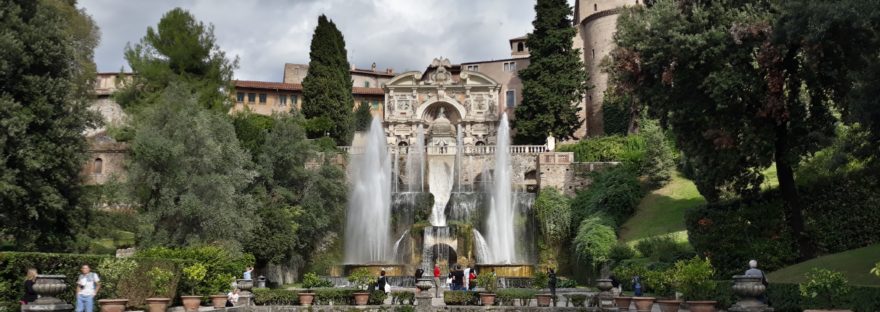
La Villa d’Este se encuentra en el poblado de Tívoli en Italia. Para explicar cómo surge la Villa d’Este, debemos remontarnos al siglo IV, época donde el cristianismo se convierte en la religión oficial del Imperio Romano. Una vez esto sucede, los obispos de Roma comenzaron ha adquirir una cantidad sustancial de propiedades alrededor de Roma (conocida como el Patrimonio de San Pedro) y lo que se conoce como Italia central. Eventualmente evolucionaron a los Estados Pontifícios e incluyeron las regiones de Lazio, Marche, Umbria y parte de Emilia-Romagna. El control de la Iglesia sobre estas áreas fue incuestionable.
Seguir leyendo «El legado del Cardenal d’Este – Villa d’Este, Tívoli»
The Legacy of Cardinal d’Este, Villa d’Este, Tivoli
Villa d’Este is located in the town of Tivoli, Italy. In order to understand origen of the Villa d’Este, we must go back to the fourth century, when Christianity becomes the official religion of the Roman Empire. Once this happens, the bishops of Rome began to acquire a substantial amount of property around Rome (known as the Patrimony of St. Peter) and what is known as central Italy. This eventually evolved into the «Papal States» and included the regions of Lazio, Marche, Umbria and part of Emilia-Romagna. The Church’s control over these areas was unquestionable.
Seguir leyendo «The Legacy of Cardinal d’Este, Villa d’Este, Tivoli»
Hadrian’s Villa, Tivoli
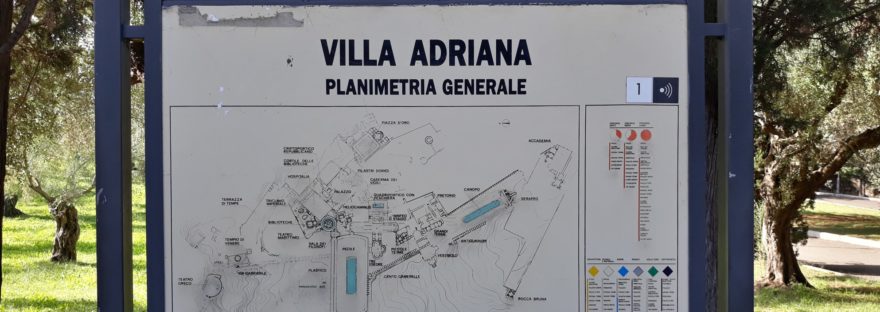
Hadrian’s Villa is located on the plains at the foot of the Sabine hills and just below the city of Tivoli. Reaching the top of the villa requires a steep hike, which is rewarded in contemplating the beauty of the Villa. The site remains an archaeological complex, reminding us with its ruins of a powerful Roman Empire.
Villa Adriana – Tívoli
La Villa Adriana se encuentra en una llanura a los pies de las colinas de Sabine y justo debajo de la ciudad de Tívoli. Llegar al tope de la villa requiere de una caminata empinada, que es recompensada al contemplar lo hermoso del lugar. El sitio permanece como un complejo arqueológico, recordándonos con sus ruinas un poderoso Imperio Romano.
Basilica of Saint Francis of Assisi
In the hills of Umbria, Italy, and less than 160 kilometers north of Rome, stands the medieval city of Assisi. This was the birthplace of Francesco di Pietro di Bernardone (baptized as Giovanni di Pietro) from the 12th century and which became known as Saint Francis of Assisi.