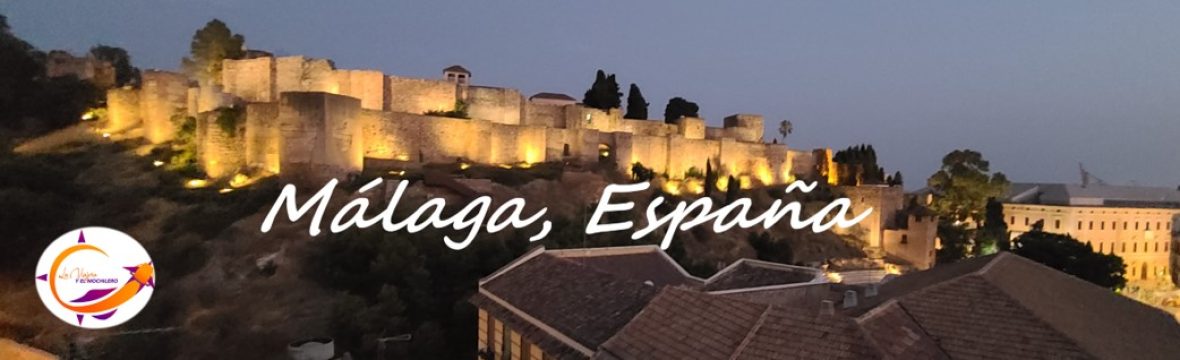
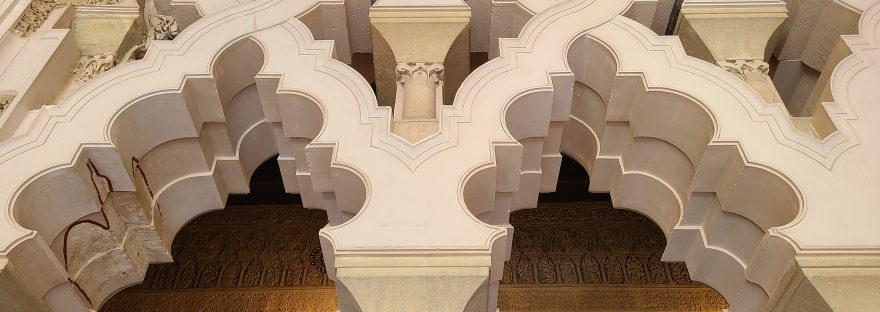
The Aljafería Palace, a majestic fortified building, was built in Zaragoza, Spain during the second half of the 11th century. Its construction was ordered by Abu Ja’far Ahmad ibn Sulaymán al-Muqtadir Billah, known by his honorific title of Al-Muqtadir, “the Powerful”, as his recreational residence. The name of Aljafería is derived from the pronoun of Al-Muqtadir, Abu Ya’far, and from “Ya’far”, “Al-Yafariyya”, which evolved into “Aliafaria” and from there to “Aljafería”. Initially, the construction was carried out outside the Roman wall, on the plain known as La Almozara, a place where Muslims carried out their military exercises. With the passing of time and urban expansion, the building has been integrated into the city. Seguir leyendo «The Aljafería Palace, Zaragoza, Spain»
Autor: La Viajera y El Mochilero
El Palacio de la Aljafería, Zaragoza, España
El palacio de la Aljafería, una majestuosa edificación fortificada, se levantó en Zaragoza, España durante la segunda mitad del siglo XI. Su construcción la ordenó Abú Ya’far Ahmad ibn Sulaymán al-Muqtadir Billah, conocido por su título honorífico de Al-Muqtadir, “el Poderoso”, como su residencia de recreo. El nombre de Aljafería se deriva del pronombre de Al-Muqtadir, Abu Ya’far, y de “Ya’far”, “Al-Yafariyya”, que evolucionó a “Aliafaria” y de ahí a “Aljafería”. Inicialmente, la construcción se llevó a cabo extramuros de la muralla romana, en el llano conocido como La Almozara, un lugar donde los musulmanes realizaban sus ejercicios militares. Con el paso del tiempo y la expansión urbana, el edificio ha quedado integrado dentro de la ciudad. Seguir leyendo «El Palacio de la Aljafería, Zaragoza, España»
Atenas, Grecia: Su iglesia más grande y su iglesia más pequeña
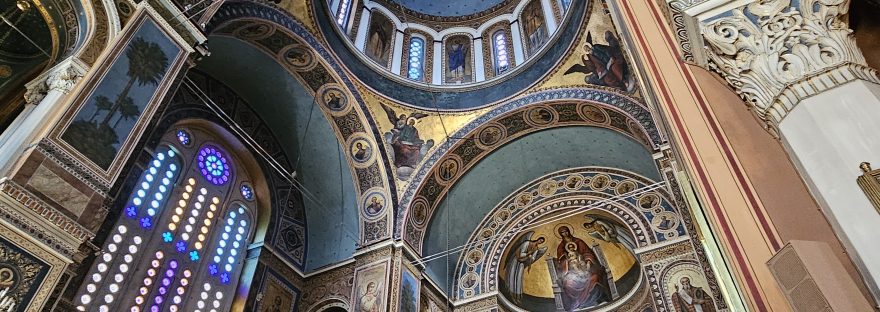
La Catedral Metropolitana de Atenas, conocida por los griegos como Mitropoli, es una majestuosa iglesia de origen bizantino dedicada a Santa María de la Asunción. Situada en el distrito de Plaka, justo al pie de la Acrópolis, actualmente es la iglesia más grande de Atenas y la sede del arzobispo de Grecia. Seguir leyendo «Atenas, Grecia: Su iglesia más grande y su iglesia más pequeña»
Athens, Greece: Its largest church and its smallest church
The Metropolitan Cathedral of Athens, known to Greeks as Mitropoli, is a majestic church of Byzantine origin dedicated to St. Mary of the Assumption. Located in the Plaka district, right at the foot of the Acropolis, it is currently the largest church in Athens and the seat of the Archbishop of Greece. Seguir leyendo «Athens, Greece: Its largest church and its smallest church»
Catedral del Salvador, Zamora, España
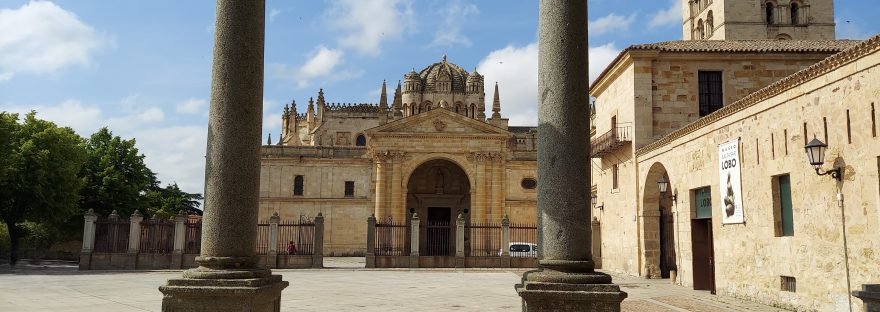
Desde la plaza de la Catedral se puede observar la catedral más pequeña y antigua de las once de la Comunidad de Castilla y León. Dedicada al Salvador, está situada en el punto más alto de la ciudad de Zamora y pertenece al denominado Románico del Duero. En 1889 fue declarada Monumento Nacional. Con relación a las fechas de inicio y final de las obras de la catedral, no hay un acuerdo entre los historiadores. Se dice que fue construida por un solo maestro y que fue terminada en 1174 coincidiendo con el reinado de Alfonso VII. Seguir leyendo «Catedral del Salvador, Zamora, España»
Cathedral of the Savior, Zamora, Spain
From the Cathedral Square you can see the smallest and oldest of the eleven cathedrals of the Community of Castilla y León. Dedicated to the Savior, it is located at the highest point of the city of Zamora and belongs to the so-called Romanesque of the Duero. In 1889 it was declared a National Monument. Regarding the dates of the beginning and end of the works of the cathedral, there is no agreement among historians. It is said that it was built by a single master and that it was finished in 1174, coinciding with the reign of Alfonso VII. Seguir leyendo «Cathedral of the Savior, Zamora, Spain»
The Kapnikarea Church, one of the oldest in Athens, Greece
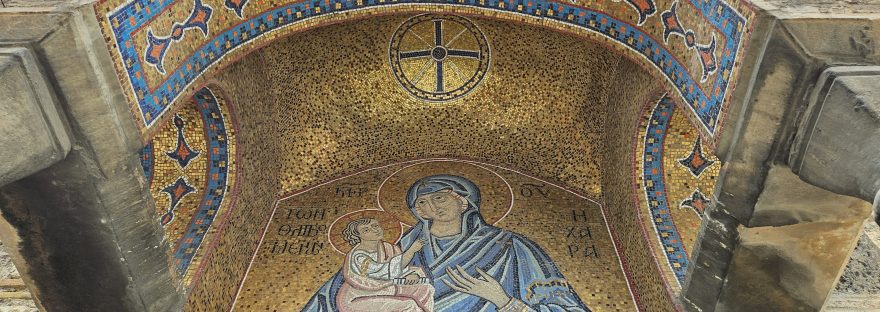
The Church of Panagia Kapnikarea, is considered a relic of Byzantine architecture and one of the oldest Orthodox churches in the city of Athens. According to archaeological research, this Byzantine church where the ancient Greeks worshipped the goddess Athena or Demeter, was built over an ancient temple in the 11th century, probably in the year 1050, a common practice among early Christian churches. Today, it is dedicated to the Virgin Mary, known as “Panagia”. Seguir leyendo «The Kapnikarea Church, one of the oldest in Athens, Greece»
La Iglesia Kapnikarea, de las más antiguas de Atenas, Grecia
La Iglesia de Panagia Kapnikarea, es considerada una reliquia de la arquitectura bizantina y una de las iglesias ortodoxas más antiguas de la ciudad de Atenas. Según investigaciones arqueológicas, esta iglesia bizantina donde los antiguos griegos veneraban a la diosa Atenea o a Deméter, se construyó sobre un antiguo templo en el siglo XI, probablemente en el año 1050, una práctica común entre las iglesias cristianas primitivas. Actualmente, está dedicada a la Virgen María, conocida como «Panagia». Seguir leyendo «La Iglesia Kapnikarea, de las más antiguas de Atenas, Grecia»
Guadalajara, España: Nuestra visita de un día
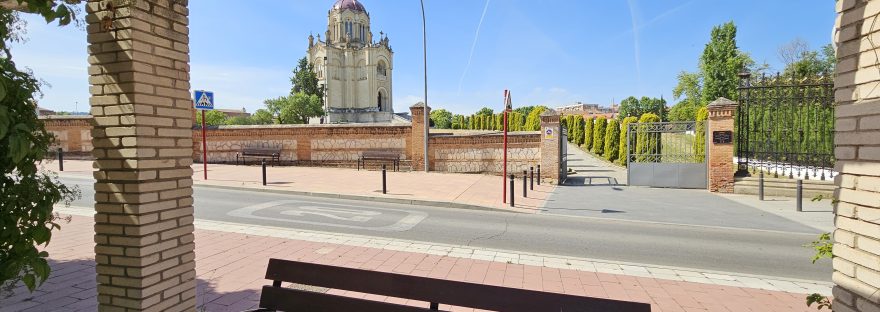
Situada en el corazón de España, Guadalajara, es una impresionante ciudad y municipio, capital de la provincia del mismo nombre. Está ubicada en la comunidad autónoma de Castilla-La Mancha, formando parte del corredor industrial del Henares y se encuentra en la ruta que conecta Madrid con Zaragoza y Barcelona. Seguir leyendo «Guadalajara, España: Nuestra visita de un día»
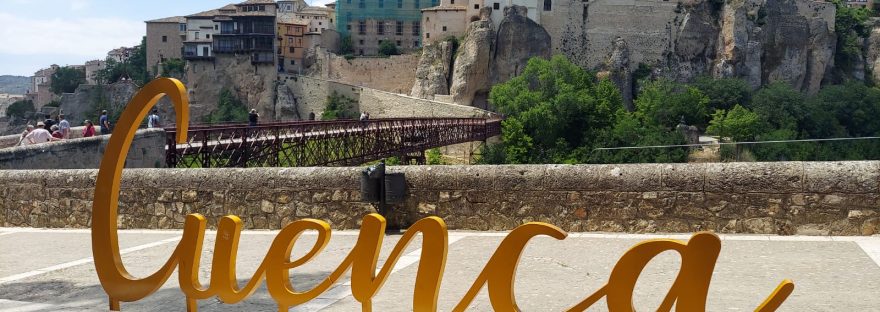
Cuenca, Spain: Las Casas Colgadas (The Hanging Houses)
The Hanging Houses or Casas Colgadas, are the symbol of the Spanish city of Cuenca in Castilla la Mancha and we were eager to get there and see them. They are a group of buildings that were built between the 13th and 15th centuries. The name Casas Colgadas (Hanging Houses) is due to the fact that part of them are cantilevered, with large balconies overhanging the high rocky ledge of the Huécar River gorge. Seguir leyendo «Cuenca, Spain: Las Casas Colgadas (The Hanging Houses)»