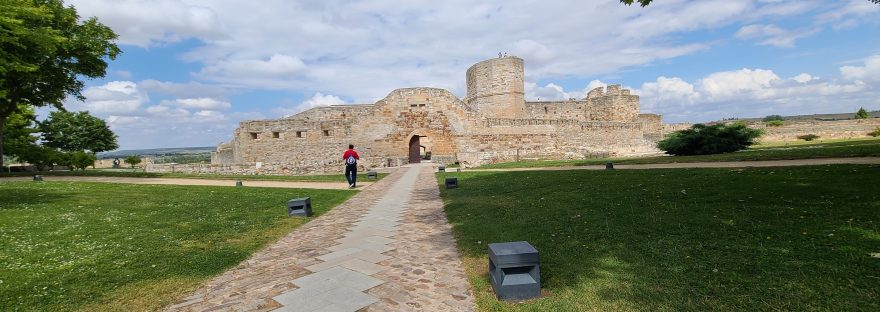
In the highest part of the Spanish city of Zamora, in Castilla-León, is located its castle, built on rock and adapted to the natural and irregular shape of the terrain. According to the chronicles, its construction was ordered by Alfonso II, however, recent studies by historians suggest that it was actually Fernando I who ordered its construction. Therefore, it is estimated that the castle dates from the mid-11th century, although very few traces remain from that period. Seguir leyendo «The Zamora Castle, Spain»
Autor: La Viajera y El Mochilero
Castillo de Zamora, España
En la zona más alta de la ciudad española de Zamora, en Castilla-León, se ubica su castillo, asentado sobre roca y adaptado a la forma natural e irregular del terreno. Según las crónicas, su construcción fue ordenada por Alfonso II, sin embargo, estudios recientes de historiadores sugieren que, en realidad, fue Fernando I quien lo mandó edificar. Por lo tanto, se estima que el castillo data de mediados del siglo XI, aunque quedan muy pocos vestigios de esa época. Seguir leyendo «Castillo de Zamora, España»
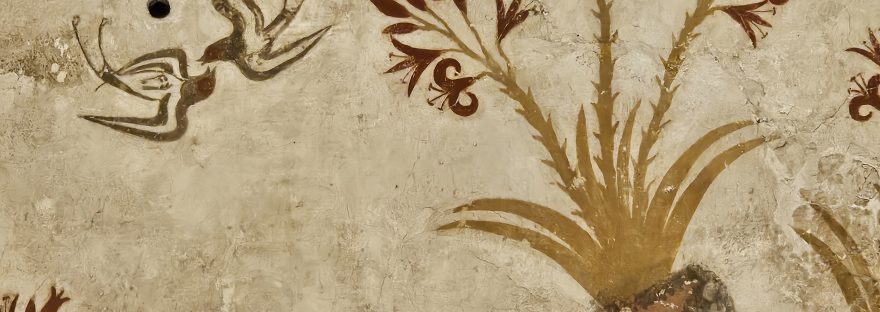
Museo Arqueológico Nacional de Atenas, Grecia
El museo arqueológico principal de Grecia es el Museo Arqueológico Nacional de Atenas y alberga una de las colecciones más significativas de objetos arqueológicos encontrados en el país, que datan desde la prehistoria hasta la antigüedad tardía. Seguir leyendo «Museo Arqueológico Nacional de Atenas, Grecia»
National Archaeological Museum of Athens, Greece
The main archaeological museum in Greece is the National Archaeological Museum of Athens and houses one of the most significant collections of archaeological objects found in the country, dating from prehistoric to late antiquity. Seguir leyendo «National Archaeological Museum of Athens, Greece»
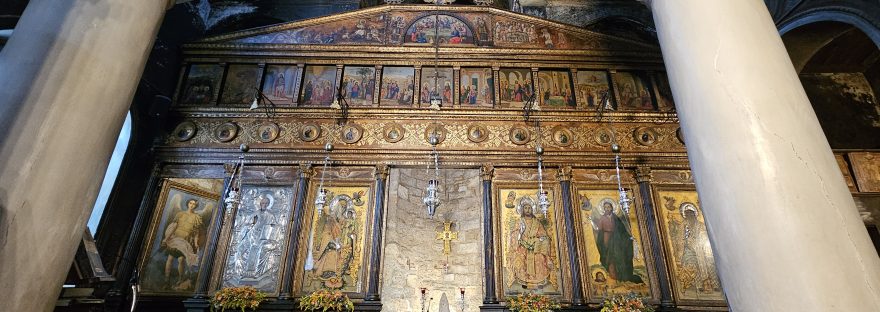
Iglesia de San Nicolás de Atenas, Grecia
La Iglesia de Agios Nikolaos Rangavas, ubicada en el corazón del histórico barrio de Plaka en Atenas, es un tesoro oculto que ofrece una ventana al rico patrimonio bizantino de la ciudad. Esta elegante iglesia ortodoxa, dedicada a San Nicolás, es reconocida por sus características arquitectónicas singulares, su importancia histórica y por ser la más antigua de Atenas. Seguir leyendo «Iglesia de San Nicolás de Atenas, Grecia»
Saint Nicholas Church of Athens, Greece
The Church of Agios Nikolaos Rangavas, located in the heart of Athens’ historic Plaka neighborhood, is a hidden treasure that offers a window into the city’s rich Byzantine heritage. This elegant Orthodox church, dedicated to St. Nicholas, is renowned for its unique architectural features, historical significance and for being the oldest church in Athens. Seguir leyendo «Saint Nicholas Church of Athens, Greece»
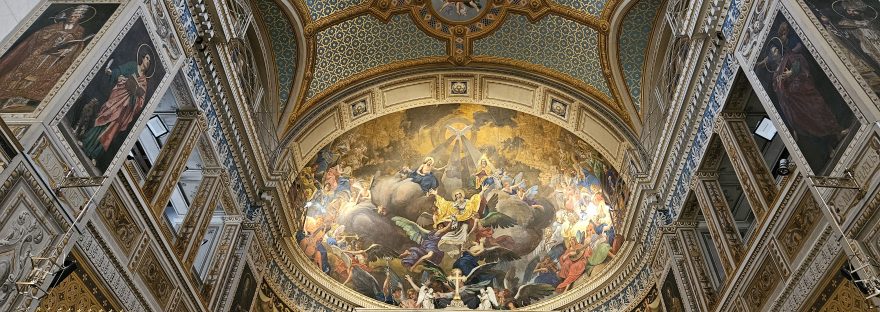
Cathedral Basilica of St. Dionysius the Areopagite of Athens, Greece
A hidden treasure in the vibrant city of Athens in Greece, which certainly deserves a visit is the Roman Catholic Cathedral of St. Dionysius the Areopagite. This temple is a true jewel of religious architecture that captivates with its rich history and is a palpable testimony of the cultural heritage and religious fervor that characterizes this city. Seguir leyendo «Cathedral Basilica of St. Dionysius the Areopagite of Athens, Greece»
Catedral Basílica de San Dionisio el Areopagita de Atenas, Grecia
Un tesoro oculto en la vibrante ciudad de Atenas en Grecia, que sin duda merece una visita es la Catedral Católica Romana de San Dionisio Areopagita. Este templo es una verdadera joya de la arquitectura religiosa que cautiva con su rica historia y es un testimonio palpable de la herencia cultural y el fervor religioso que caracteriza a esta ciudad. Seguir leyendo «Catedral Basílica de San Dionisio el Areopagita de Atenas, Grecia»
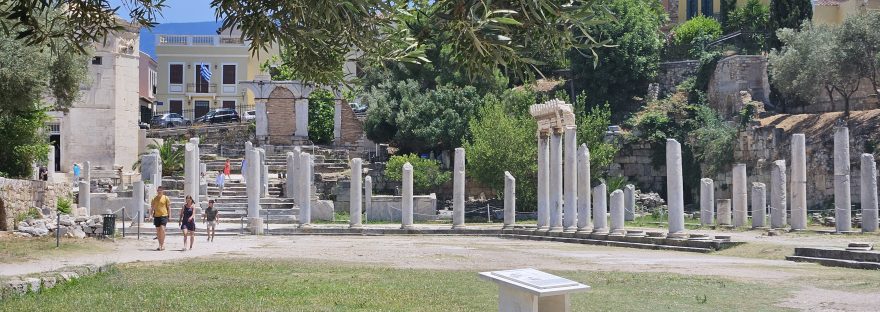
Roman Agora of Athens, Greece
Located between the Acropolis of Athens and Monastiraki Square is the impressive Roman Agora. This enclosure, a legacy of the Roman presence in Greece, was built between 19 B.C. and 11 B.C., under the rule of Emperor Augustus, and later expanded by the philhellenic emperor Hadrian, a great defender of this culture and its traditions. In 267, after the invasion of the Heruli (Germanic people who inhabited Northern Europe and participated in the invasion of the Roman Empire), the city of Athens was limited to the interior of the late Roman wall. The administrative and commercial center of the city was moved from the ancient Agora to the Roman Agora and Hadrian’s Library. Seguir leyendo «Roman Agora of Athens, Greece»
Ágora Romana de Atenas, Grecia
Ubicada entre la Acrópolis de Atenas y la plaza Monastiraki, se encuentra la impresionante Ágora Romana. Este recinto, legado de la presencia romana en Grecia, fue construido entre los años 19 a. C. y 11 a. C., bajo el mandato del emperador Augusto, y posteriormente ampliado por el emperador filoheleno Adriano, gran defensor de esta cultura y sus tradiciones. En el año 267, después de la invasión de los hérulos (pueblo germánico que habitó en Europa del Norte y participó en la invasión del Imperio Romano), la ciudad de Atenas se limitó al interior de la muralla tardorromana. El centro administrativo y comercial de la ciudad fue trasladado del Ágora antigua, al Ágora romana y la Biblioteca de Adriano. Seguir leyendo «Ágora Romana de Atenas, Grecia»