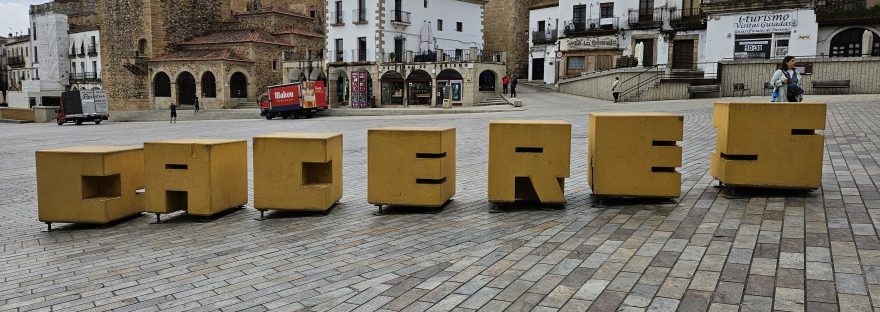
Una ciudad de Extremadura en la que es fácilmente ubicarse en la época medieval, ya que alberga uno de los complejos urbanos medievales mejor conservados del mundo, es Cáceres. Gracias a sus calles, plazas, palacios y murallas extraordinariamente bien conservados, podemos tener una buena idea de su época antigua. Seguir leyendo «La Plaza Mayor de Cáceres, España»
Autor: La Viajera y El Mochilero
The Town Square of Cáceres, Spain
A town of Extremadura, where it is easy to imagine yourself in medieval times given it houses one of the best-preserved medieval urban complexes in the world—is Cáceres. Thanks to its extraordinarily well-preserved streets, squares, palaces, and walls, we can get a clear sense of its ancient past. Seguir leyendo «The Town Square of Cáceres, Spain»
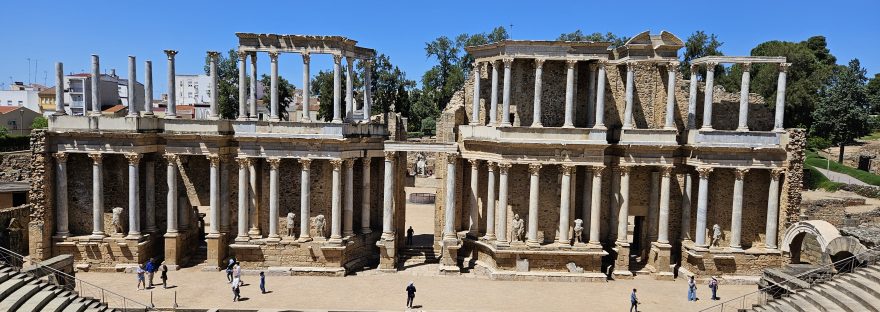
El Teatro Romano de Mérida, España
Uno de los teatros romanos mejor conservados del mundo es el Teatro Romano de la antigua Emerita Augusta, actualmente Mérida en Extremadura, España. Forma parte del Conjunto Arqueológico de Mérida, declarado Patrimonio de la Humanidad por la UNESCO en 1993, y es un símbolo del poder cultural y urbanístico de Roma en Hispania. Visitarlo es imprescindible tras recorrer el Anfiteatro Romano, ya que, al conectar ambos monumentos, resulta difícil perder de vista el Teatro. Seguir leyendo «El Teatro Romano de Mérida, España»
The Roman Theater of Mérida, Spain
One of the best-preserved Roman theaters in the world is the Roman Theater of ancient Emerita Augusta, now Mérida in Extremadura, Spain. It is part of the Archaeological Ensemble of Mérida, declared a UNESCO World Heritage Site in 1993, and is a symbol of Rome’s cultural and urban influence in Hispania. Visiting it is a must after touring the Roman Amphitheater, as the two monuments are closely connected, making it hard to overlook the Theater. Seguir leyendo «The Roman Theater of Mérida, Spain»
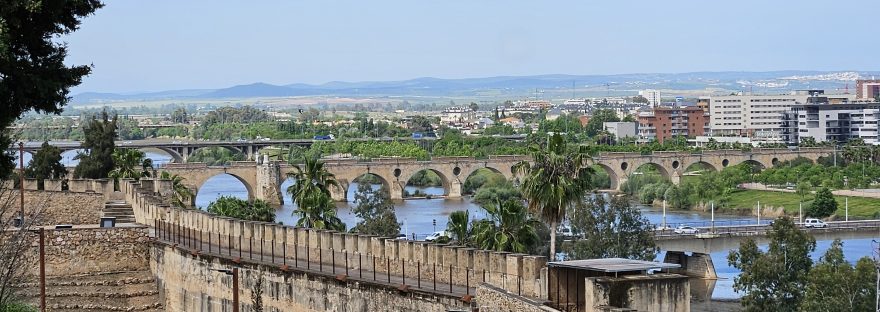
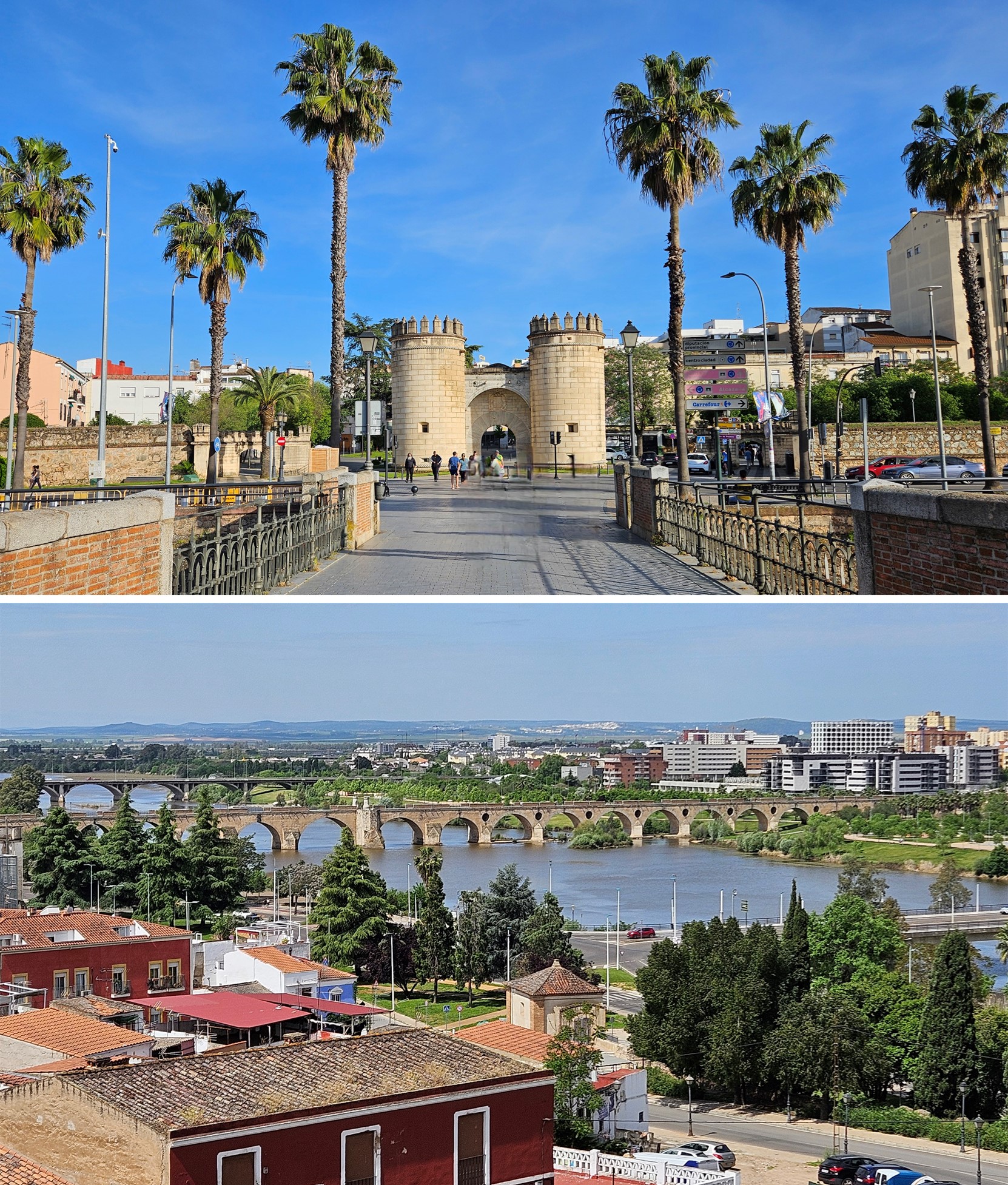
El Puente Palmas de Badajoz, España
The Bridge of Palms of Badajoz, Spain
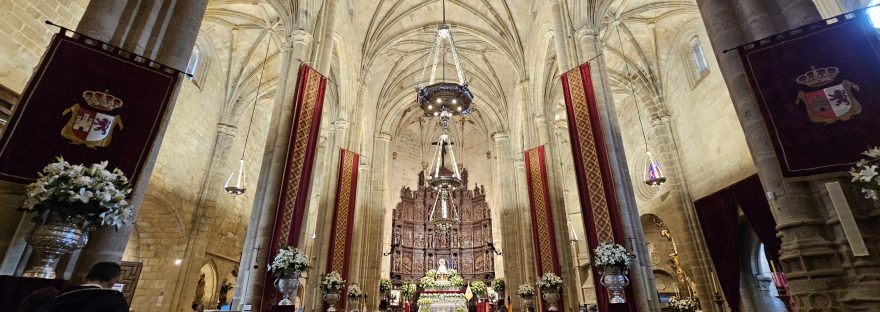
Co-Cathedral of Santa María, Cáceres, Spain
Cáceres is a city that invites visitors to discover not only its medieval history but also its traditions. During our stay, we had the opportunity to witness one of the city’s deeply rooted religious traditions: the visit of the Virgin of the Mountain to the Co-Cathedral of Santa María, the most important Christian temple in Cáceres. Seguir leyendo «Co-Cathedral of Santa María, Cáceres, Spain»
Concatedral de Santa María, Cáceres, España
Cáceres es una ciudad que invita a descubrir no solo el aspecto histórico medieval, sino también sus tradiciones. En nuestra estadía tuvimos la oportunidad de presenciar una de las tradiciones religiosas muy arraigadas de esta ciudad de Extremadura, se trata de la visita de la Virgen de la Montaña a la Concatedral de Santa María, el templo cristiano más importante de Cáceres. Seguir leyendo «Concatedral de Santa María, Cáceres, España»
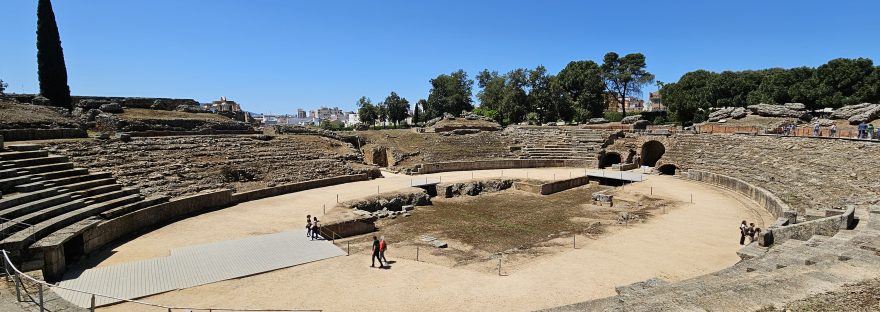
The Roman Amphitheater of Mérida, Spain
The construction of the Roman Amphitheater was planned together with that of the Roman Theater in what was then known as the colony of Augusta Emerita, a Roman city founded in 25 B.C. by order of Emperor Augustus and what we now know as Mérida, Spain. Although they were built at different times, both the Amphitheater and the Theater were designed to complement Roman entertainment. The main difference between the two lies in their shape: the amphitheater is oval, while the theater is a semicircle. Both structures allow us to better understand the lifestyle and public spectacles enjoyed by Roman society in ancient times. Seguir leyendo «The Roman Amphitheater of Mérida, Spain»
El Anfiteatro Romano de Mérida, España
La construcción del Anfiteatro Romano se planificó junto con la del Teatro Romano en lo que en ese tiempo se conoció como la colonia Augusta Emerita, ciudad romana fundada en el año 25 a.C. por orden del emperador Augusto y que hoy conocemos como Mérida, España. Aunque se construyeron en fechas distintas, tanto el Anfiteatro, como el Teatro, estaban diseñados para complementar el entretenimiento romano. La diferencia básica entre ambos radica en su forma, el anfiteatro tiene forma ovalada, mientras que el teatro es un semicírculo. Y tanto uno, como el otro, nos permiten entender el modo de vida y espectáculos públicos que disfrutaba la sociedad romana en época antigua. Seguir leyendo «El Anfiteatro Romano de Mérida, España»